£6.01 – £6.73Price range: £6.01 through £6.73
Echinacea purpurea ‘Augustkönigin’ is a vibrant Purple Coneflower with striking purple-pink blooms from August to September. It attracts pollinators, adding beauty and wildlife support to your UK garden.
1226 in stock
Echinacea purpurea ‘Augustkönigin’ is a vibrant purple coneflower, bringing late summer charm and vital wildlife support to UK gardens.
This herbaceous perennial offers striking blooms. It makes a beloved choice for borders and cutting gardens across the UK. Often called Purple Coneflower, Echinacea purpurea ‘Augustkönigin’ adds rich colour. It shines brightly as other plants begin to fade.
This plant establishes easily. It provides a robust, low-maintenance display year after year. Gardeners appreciate its enduring appeal. It truly contributes to garden vitality.
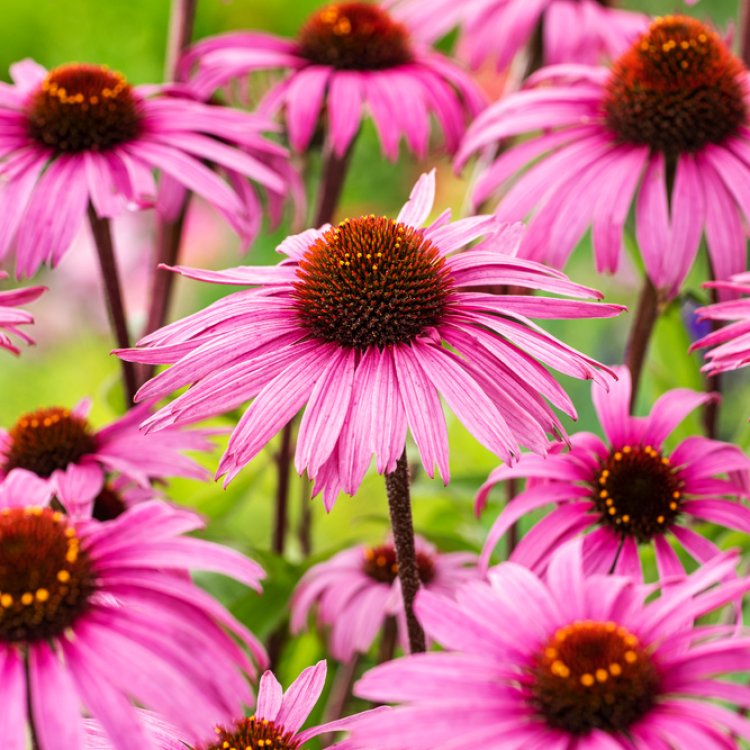
Echinacea purpurea ‘Augustkönigin’ stands out as a superb cultivar of the popular Purple Coneflower. Its botanical name, Echinacea, comes from the Greek word ‘echinos’. This means hedgehog. It aptly describes the plant’s spiky central cone. Furthermore, ‘purpurea’ refers to the rich purple colour typical of the species.
The cultivar name ‘Augustkönigin’ translates from German as ‘August Queen’. This fits its peak flowering display during this key late summer month. This plant naturally thrives in well-drained soils. These conditions mirror its native North American prairie habitat.
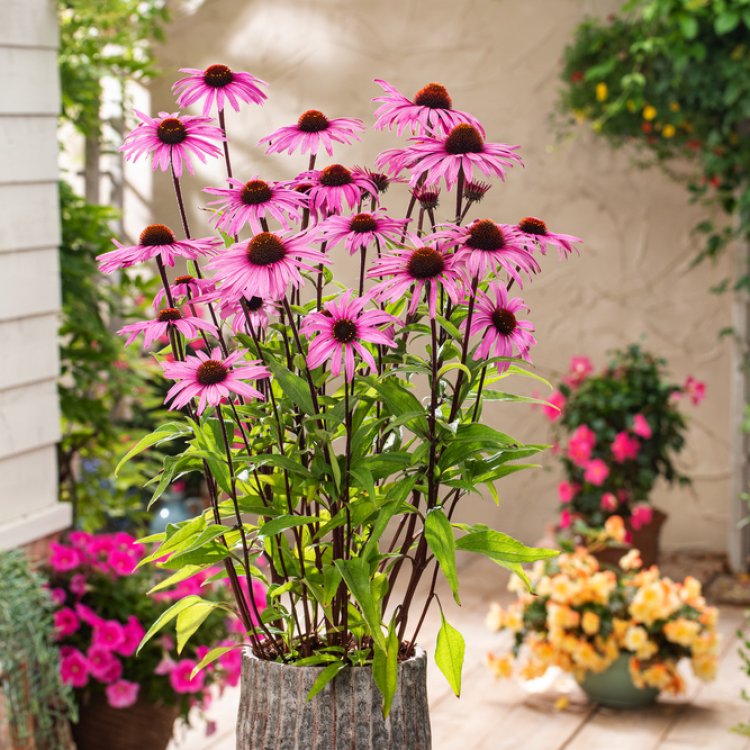
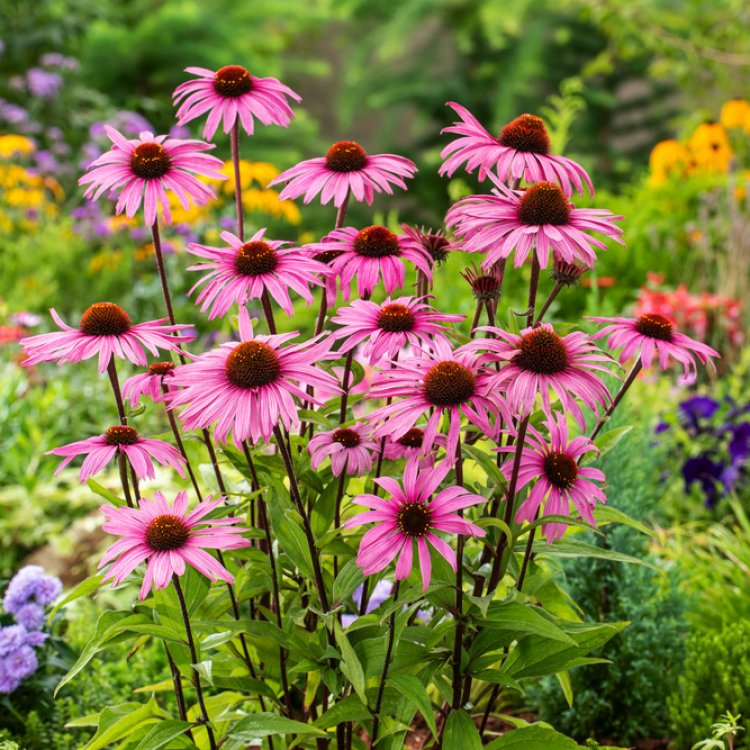
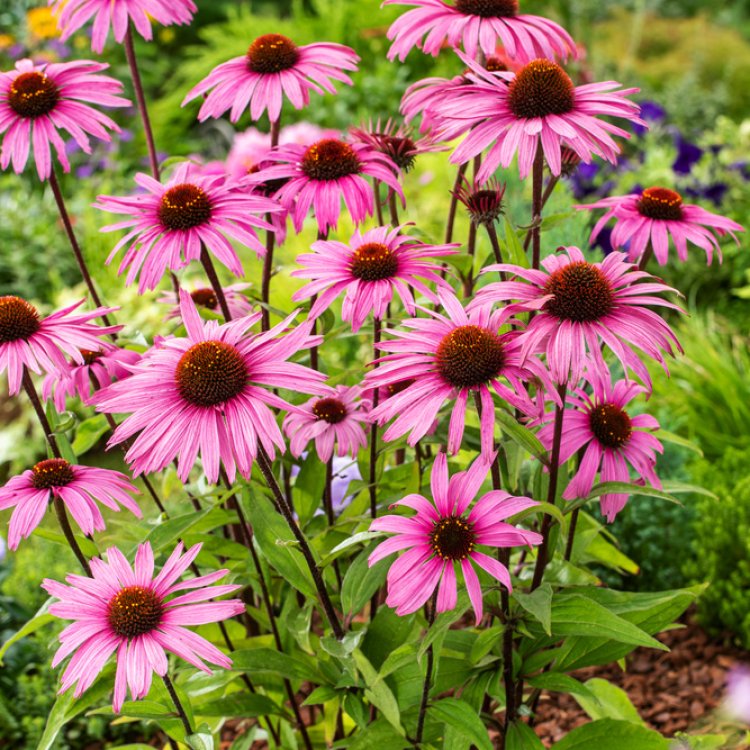
The flowers of ‘Augustkönigin’ truly captivate. Each bloom features many ray-like petals. They range from bright purple to deep rose-pink. These petals radiate outwards from a prominent, copper-orange central cone. These large, daisy-like flowers provide a striking visual impact.
They sit atop strong, upright stems. These stems typically reach heights of around 90 centimetres. Furthermore, the foliage consists of dark green, lance-shaped leaves. They form neat clumps at the plant’s base. These leaves offer an appealing backdrop to the vivid blossoms throughout the growing season.
This remarkable Purple Coneflower is highly versatile in the UK garden. It looks magnificent when planted in mixed herbaceous borders. Its upright form creates structure and vertical interest. Many gardeners also use it effectively in cottage gardens or prairie-style plantings.
Moreover, ‘Augustkönigin’ is an excellent choice for a cutting garden. Its robust stems provide beautiful, long-lasting flowers for indoor arrangements. Crucially, Echinacea purpurea ‘Augustkönigin’ supports local wildlife.
Its nectar-rich flowers attract many pollinators, including honeybees, bumblebees, and butterflies. These insects play a vital role in our ecosystems. Generally, pruning is not complex. Simply remove spent flower stems to encourage further blooming. Alternatively, tidy the plant at the season’s end.
Hardy in all of the UK and northern Europe. Suitable for exposed sites.
Echinacea purpurea 'Augustkönigin' thrives with minimal attention. Deadhead spent flowers regularly to encourage more blooms and extend the flowering season. In late autumn, cut back old flower stems to ground level or leave them for winter interest and bird feed. Water regularly during dry spells in the first year to help establishment. Mature plants are drought-tolerant but benefit from occasional watering in prolonged dry periods. Divide established clumps every 3-5 years in spring to maintain vigour. Mulch annually with well-rotted compost to enrich the soil.