£3.02 – £4.43Price range: £3.02 through £4.43
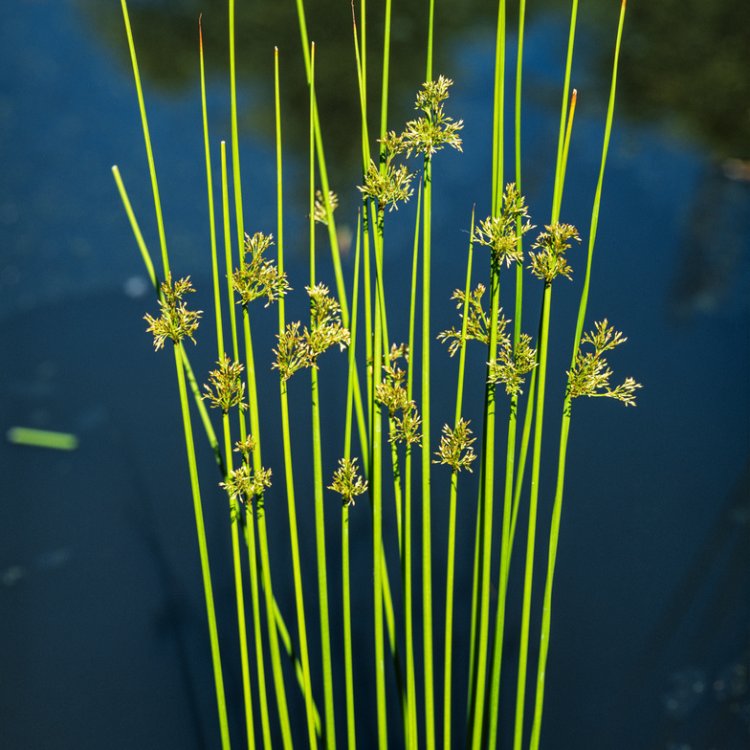
Juncus effusus, or Soft Rush, is an elegant, evergreen perennial. It features upright, architectural stems, perfect for pond margins or damp borders. This UK native plant adds natural beauty and supports local wildlife with ease.
189 in stock
Juncus effusus, or Soft Rush, offers an elegant, vertical accent, bringing serene, natural beauty to UK gardens and wetlands.
Juncus effusus, commonly known as Soft Rush, is a resilient and widely distributed perennial plant. This native British species thrives in damp to wet conditions. Therefore, it is a superb choice for creating naturalistic pond margins, bog gardens, or any area with consistently moist soil. Its distinct upright form adds both texture and structure to the landscape, making it a valuable garden addition.
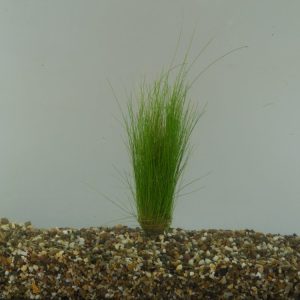
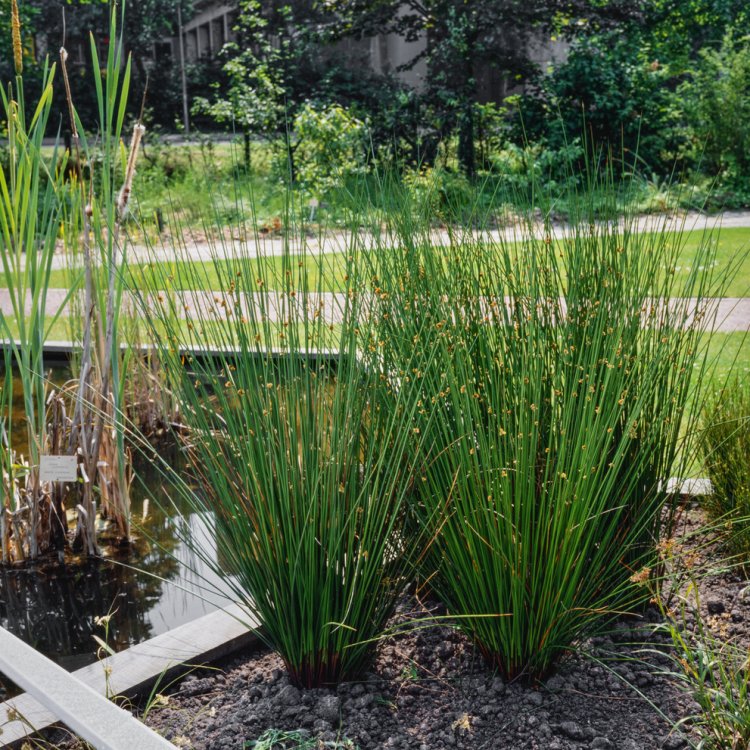
The name Juncus derives from the Latin word ‘jungere,’ meaning ‘to join.’ Historically, people used the flexible stems of various rushes for tying, weaving, and even making rushlights. The specific epithet ‘effusus’ translates to ‘loosely spreading’ or ‘effuse,’ describing its growth habit. Moreover, its common name, Soft Rush, accurately reflects its soft, pliable stems and widespread presence across the UK countryside. This plant forms dense clumps of unbranched, cylindrical, dark green stems. They grow upwards, creating a striking vertical display in the garden.
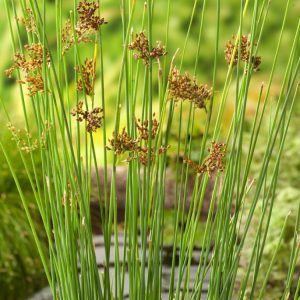
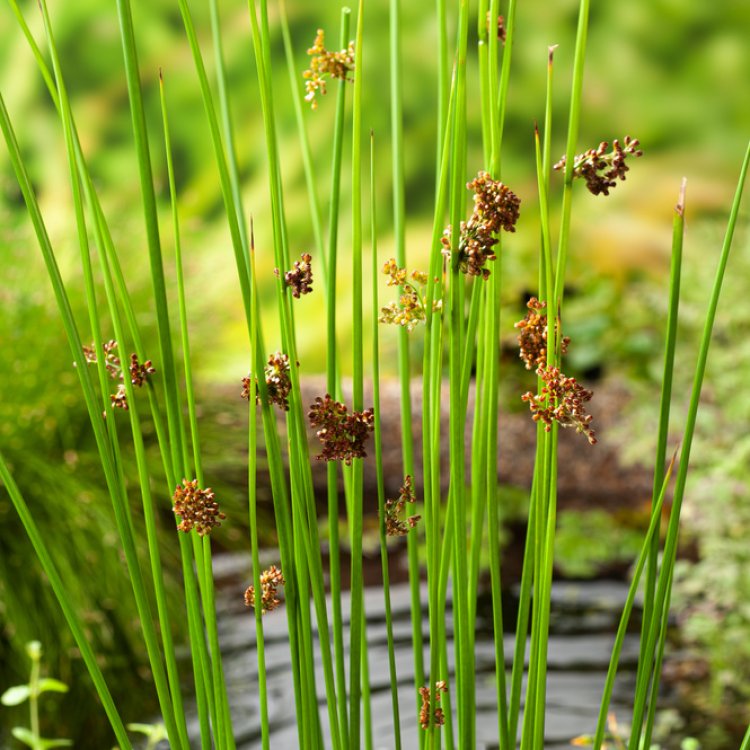
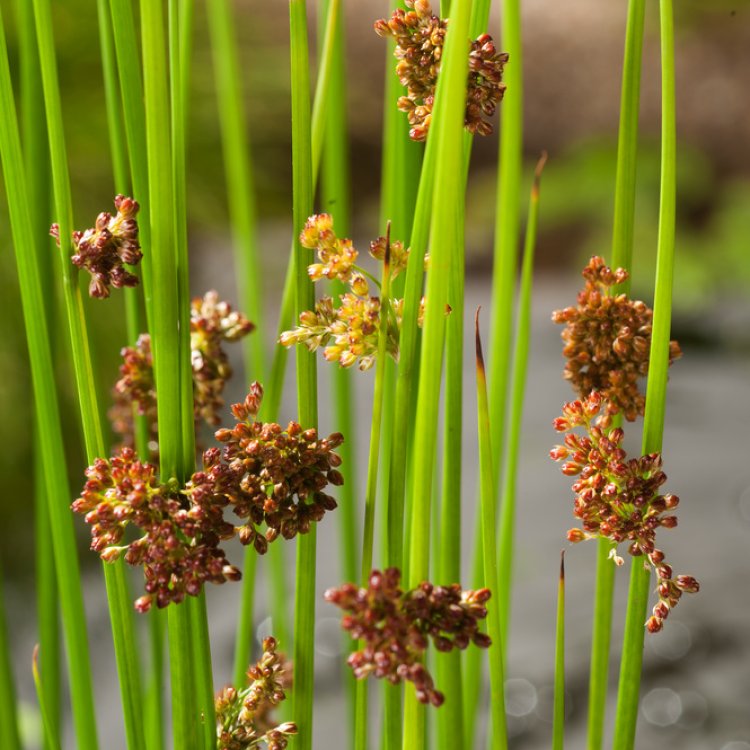
Juncus effusus showcases evergreen foliage, meaning its vibrant green stems persist throughout the year. These stems are the primary feature of the plant. They feel soft to the touch and offer a unique texture. During the summer months, typically from July to August, inconspicuous brownish flowers emerge. These flowers are often clustered just below the tip of the stem, blending seamlessly with the plant’s overall appearance. While not showy, these subtle blooms add to its natural charm and contribute to the plant’s reproductive cycle.
This versatile plant finds many uses in a UK garden. Primarily, it excels in areas with moist or wet soil. Gardeners often place Juncus effusus at the edge of ponds or water features. It helps to soften the transition from water to land. Furthermore, it is ideal for bog gardens, rain gardens, and damp borders where other plants might struggle. Its architectural form also allows its use as a structural plant in containers, provided the soil remains consistently moist. Planting in groups creates an effective natural screen or a textured backdrop. Consequently, it brings a wilder, more natural aesthetic to formal or informal designs.
Juncus effusus is a low-maintenance plant, generally requiring little pruning. You can simply remove any old, damaged, or discoloured stems in late winter or early spring. This helps to keep the clump tidy and encourages fresh new growth. Additionally, this native rush is beneficial for wildlife. Its dense clumps provide shelter for various insects and small amphibians. Many birds also feed on the seeds produced by the plant, especially in autumn and winter. Thus, incorporating this rush into your garden actively supports local biodiversity.
Very hardy. Tolerates temperatures typical of a continental winter.
Juncus effusus is a low-maintenance plant. Ensure consistently moist to wet soil, especially during dry spells. Cut back any dead or unsightly stems in late winter or early spring to maintain tidiness and encourage fresh growth. Divide congested clumps every few years in spring if needed to revitalise the plant. No specific feeding is usually required, particularly in nutrient-rich boggy areas.