£11.54 – £12.26Price range: £11.54 through £12.26
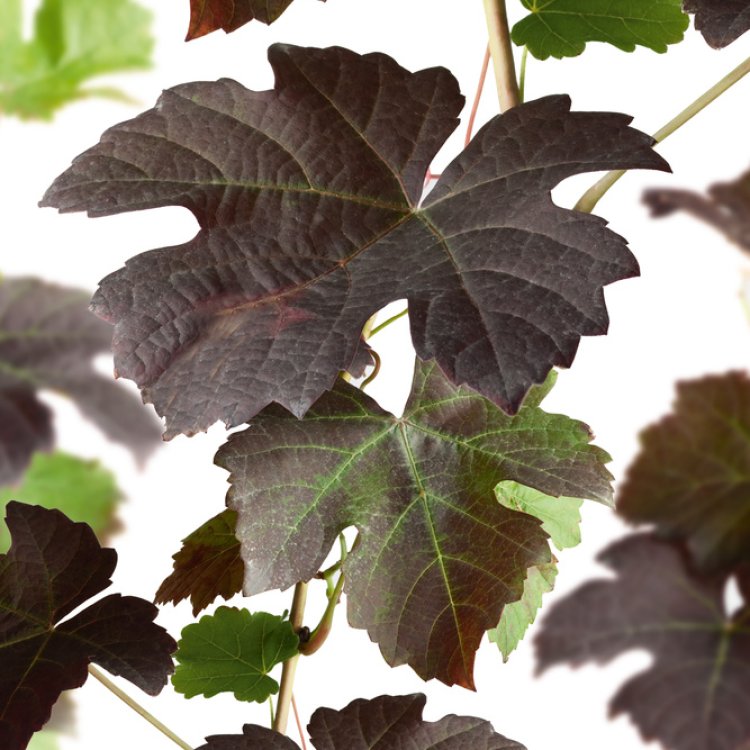
The Vitis vinifera ‘Purpurea’, or Purple-leaved Grape, is a stunning deciduous climber. It features dramatic, deep burgundy-purple foliage throughout summer and autumn. Ideal for pergolas or walls, it offers vibrant colour and structural interest to any UK garden.
545 in stock
Vitis vinifera ‘Purpurea’ is a stunning ornamental grapevine, prized for its dramatic purple foliage and vigorous climbing habit.
Discover the allure of Vitis vinifera ‘Purpurea’, also known as the Purple-leaved Grape. This captivating deciduous climber brings rich, deep hues to any garden space. Its foliage transitions from bronze in spring to intense purple through summer and autumn, offering year-round visual interest. Consequently, it creates a striking focal point. This robust plant will effortlessly adorn walls, pergolas, or arbours, providing both beauty and structure to your outdoor sanctuary.
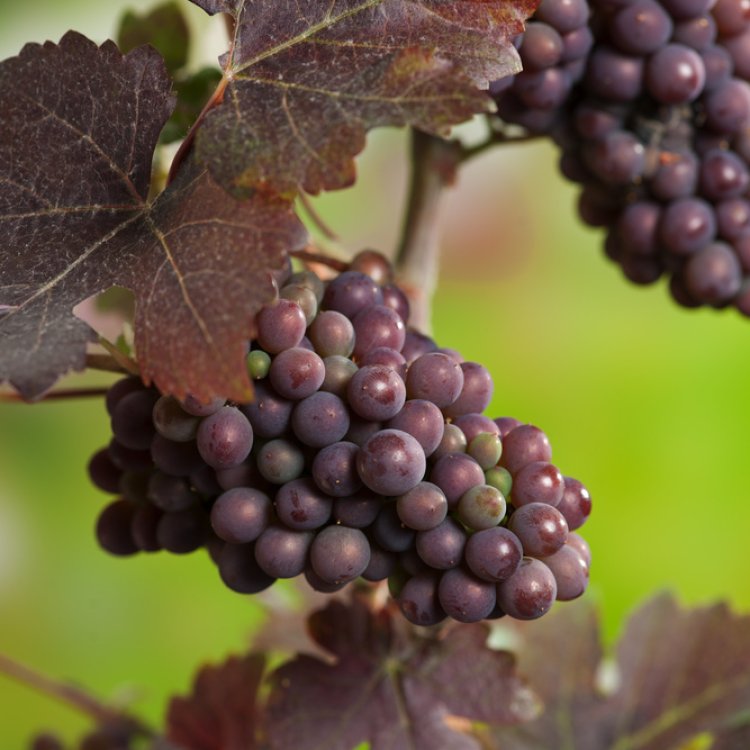
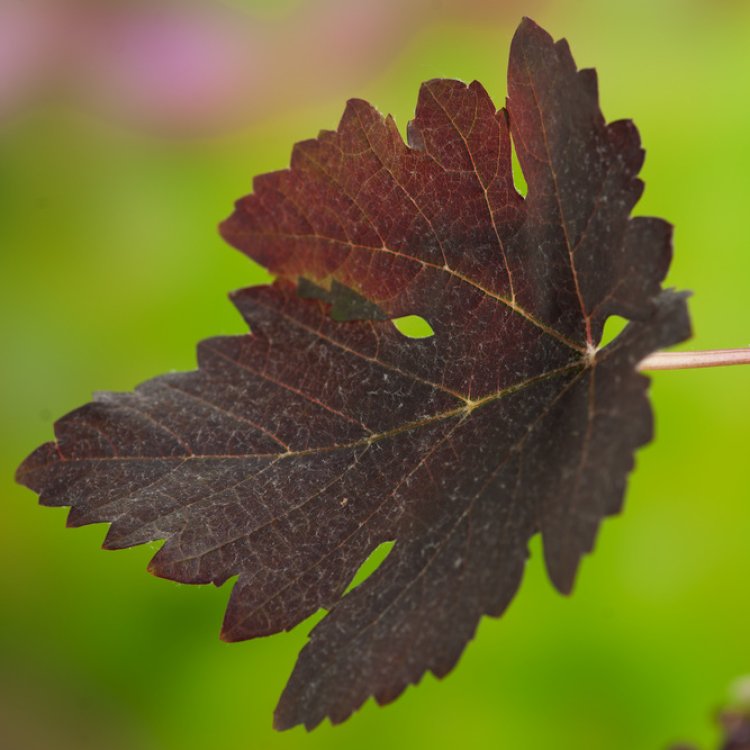
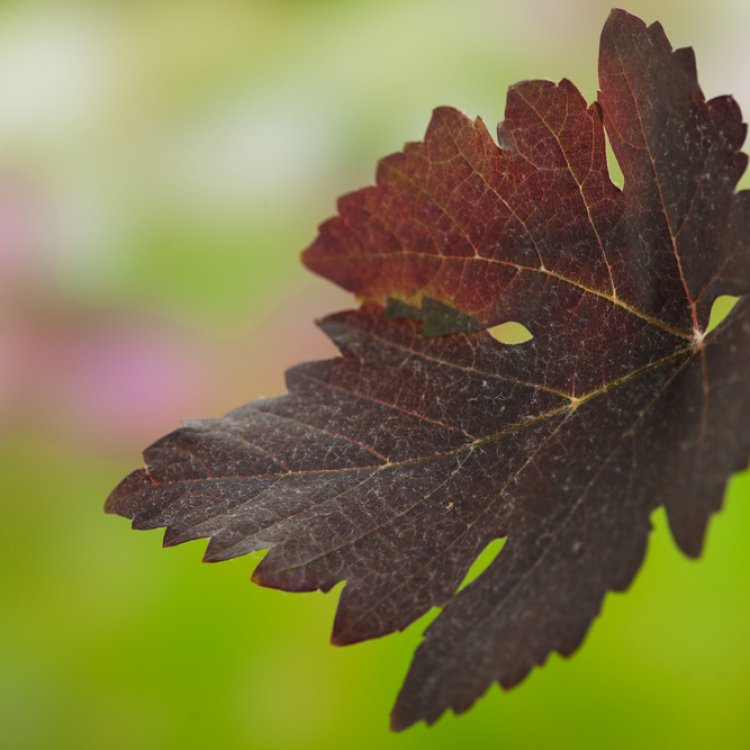
This distinctive cultivar is a form of the common grape vine, Vitis vinifera. Its name, ‘Purpurea’, aptly describes its most notable feature: the intense purple coloration of its leaves. The plant’s unique appeal lies in this stunning foliage, which emerges as a bronzy-green in spring. As the season progresses, the leaves gradually deepen to a rich, almost black-purple hue. This striking transformation continues throughout the summer months. Finally, the colours often intensify further as autumn approaches, adding a bold statement to the landscape.
The large, deeply lobed leaves of Vitis vinifera ‘Purpurea’ are truly its star attribute. Their vibrant purple shades create a fantastic contrast against green plants. In late spring or early summer, this vine produces small, inconspicuous greenish flowers. Although modest, these blossoms are valuable for garden wildlife. They attract bees and other essential pollinators, supporting local biodiversity. Following the flowers, clusters of small, dark, almost black grapes develop. While edible, these fruits are generally better suited for ornamental display or making juice rather than eating fresh due to their somewhat tart flavour.
The Purple-leaved Grape is an excellent choice for a variety of garden applications. It grows vigorously, making it ideal for covering large areas. You can train it to climb over pergolas, arbours, or along sturdy walls. This creates a dramatic backdrop or a living canopy. Gardeners often use it to add vertical interest and a touch of drama. Regular pruning is important to manage its size and shape. Typically, this occurs in the dormant season, which helps to promote healthy growth and fruiting. Pruning also maintains its ornamental appeal.
Vitis vinifera ‘Purpurea’ provides benefits to garden wildlife. Its flowers offer nectar for bees and other beneficial insects. The resulting fruit can also be a food source for birds later in the season. This plant thrives in sunny positions within UK gardens. It prefers well-drained soil and proves resilient in most conditions. Its hardiness ensures it will return year after year, enriching your garden with its unique charm. This vine thus becomes a vibrant and valuable addition.
Hardy in all of the UK and northern Europe. Suitable for exposed sites.
This vigorous climbing plant requires regular structural pruning, typically in the dormant season, to manage its size, shape, and promote health.
This plant is deciduous so it will lose all of its leaves in the autumn and get fresh new foliage each spring.