£3.02 – £4.43Price range: £3.02 through £4.43
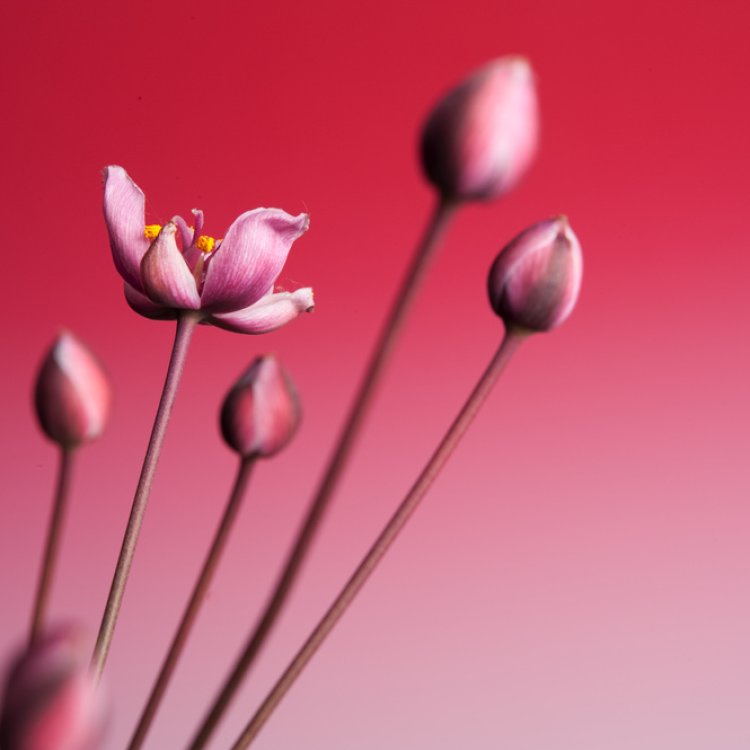
Butomus umbellatus, or Flowering Rush, offers elegant pink blooms from June to August, perfect for UK pond margins and bog gardens. This hardy aquatic perennial attracts pollinators and adds graceful, architectural interest to any water feature.
285 in stock
Butomus umbellatus, often called Flowering Rush, brings elegant, architectural beauty to UK pond edges and water features with its distinctive pink blooms.
This captivating aquatic perennial thrives in shallow water and boggy conditions. It is a perfect choice for enriching garden ponds across the British Isles. Originating from wetland habitats, Butomus umbellatus naturally creates a stunning focal point. It draws the eye with its delicate yet striking floral display. Its upright form adds significant vertical interest to any waterside landscape.
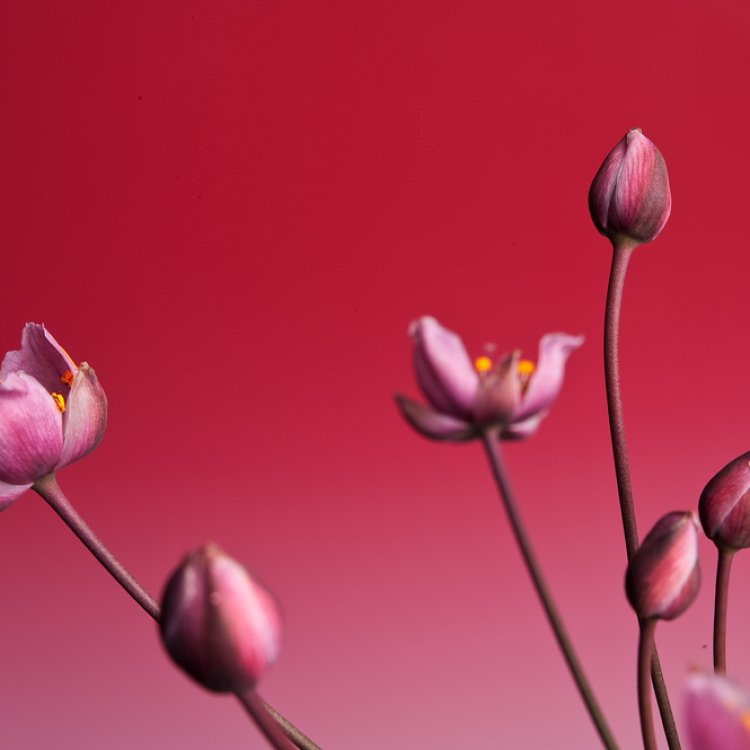
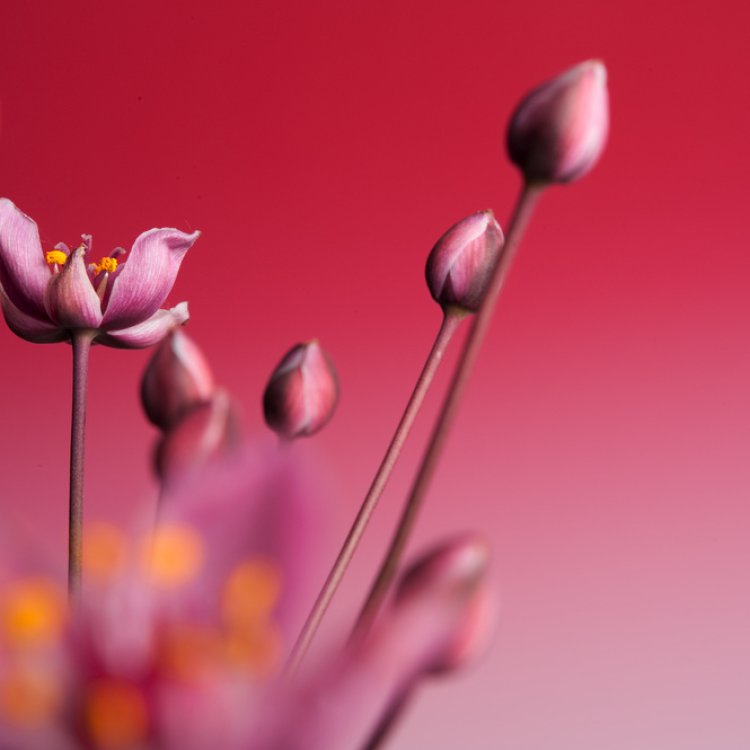
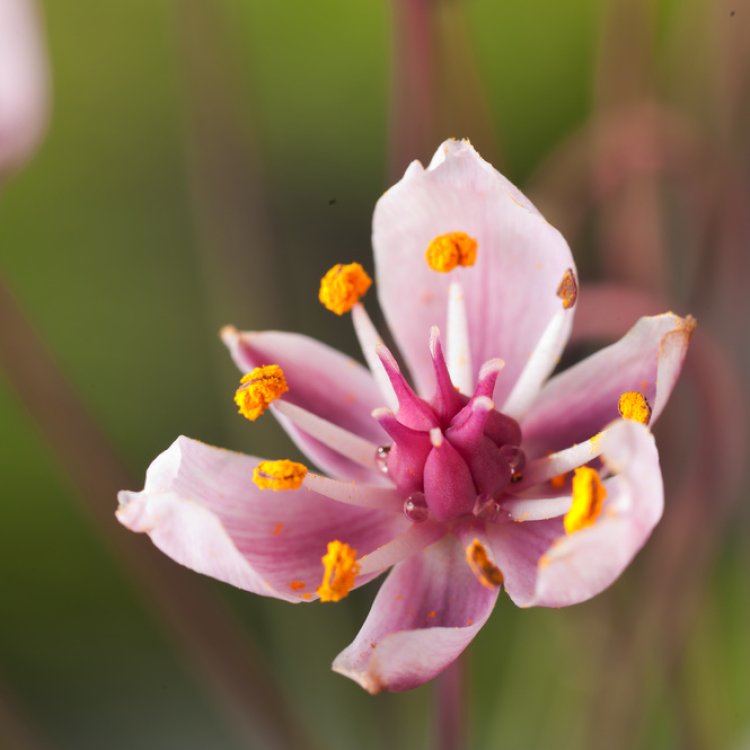
The Butomus umbellatus, widely known as Flowering Rush, captivates with its beautiful umbels of delicate pink flowers. These charming blooms appear primarily from June through to August. They create a soft, colourful spectacle above the water. Each flower features three petals and three sepals, often displaying striking reddish-purple veins. These veins add to its allure. Furthermore, its flowers offer a gentle perfume, enhancing the sensory experience of a water garden. This plant truly elevates the aesthetic of any aquatic setting.
Beyond its blossoms, the foliage of Flowering Rush provides year-round interest. Its slender, rush-like leaves are typically triangular in cross-section. They grow upright to form an attractive clump. These leaves emerge from the water, giving the plant an architectural quality. This complements softer aquatic vegetation. The name Butomus itself derives from Greek words meaning “ox-cutting,” referring to the sharp edges of its leaves. Meanwhile, “umbellatus” accurately describes its flower structure. It forms a characteristic umbrella-shaped cluster. This plant is even native to parts of the UK, showing its natural suitability for British water gardens.
Planting Butomus umbellatus is an excellent way to introduce natural elegance to your pond margins or boggy areas. It prefers shallow water, often rooting in the mud at the edge of a pond or stream. Consequently, it creates a vital habitat and food source for various aquatic insects. Bees and butterflies also frequently visit its flowers, attracted by pollen and nectar.
The plant requires minimal attention once established. Therefore, you do not need to prune or shape it. Simply allow it to grow naturally. Enjoy its contribution to your garden’s biodiversity. It provides a charming addition. This enhances the natural beauty of wetland environments.
Very hardy. Tolerates temperatures typical of a continental winter.
Butomus umbellatus thrives in shallow water, ideally submerged in 5-20cm of water over a loamy substrate, or planted in boggy soil at the pond's edge. Plant in aquatic baskets to restrict spread and make maintenance easier. Deadhead spent flowers for tidiness, though it's not essential. In winter, the foliage will die back; remove old leaves in autumn or early spring. Divide overcrowded clumps every few years in spring to maintain vigour. Ensure the roots remain consistently wet or submerged.