£3.02 – £4.43Price range: £3.02 through £4.43
Glyceria maxima ‘Variegata’, or Variegated Reed Sweet-grass, brings vibrant cream and green foliage to waterside gardens. This vigorous, hardy perennial thrives in wet conditions, perfect for pond edges, offering architectural beauty and wildlife support.
271 in stock
Discover Glyceria maxima ‘Variegata’, a stunning variegated reed sweet-grass. It is perfect for bringing vibrant colour and texture to waterside gardens and boggy areas.
Glyceria maxima ‘Variegata’ is a captivating marginal aquatic perennial, cherished for its striking foliage. This ornamental grass features cream and green striped leaves, offering a bright, architectural presence. You can plant it around ponds, streams, or in consistently damp borders. It originated from the species Glyceria maxima, native across Europe and Asia. Its ‘Variegata’ cultivar name highlights the attractive striped leaves. This plant naturally thrives in wet environments, making it a superb choice for UK gardens with water features or boggy soil.
This beautiful cultivar, Glyceria maxima ‘Variegata’, truly stands out. It hails from the species Glyceria maxima, commonly known as Reed Sweet-grass or Water Mana Grass. Botanists named the genus ‘Glyceria’ from the Greek word ‘glykeros’. This means sweet, referring to the sweet taste of the seeds. The specific epithet ‘maxima’ denotes its potential for vigorous growth. Furthermore, the cultivar name ‘Variegata’ aptly describes its most enchanting feature: the vibrant, cream-striped foliage. This grass presents an appealing alternative to purely green pond plants.
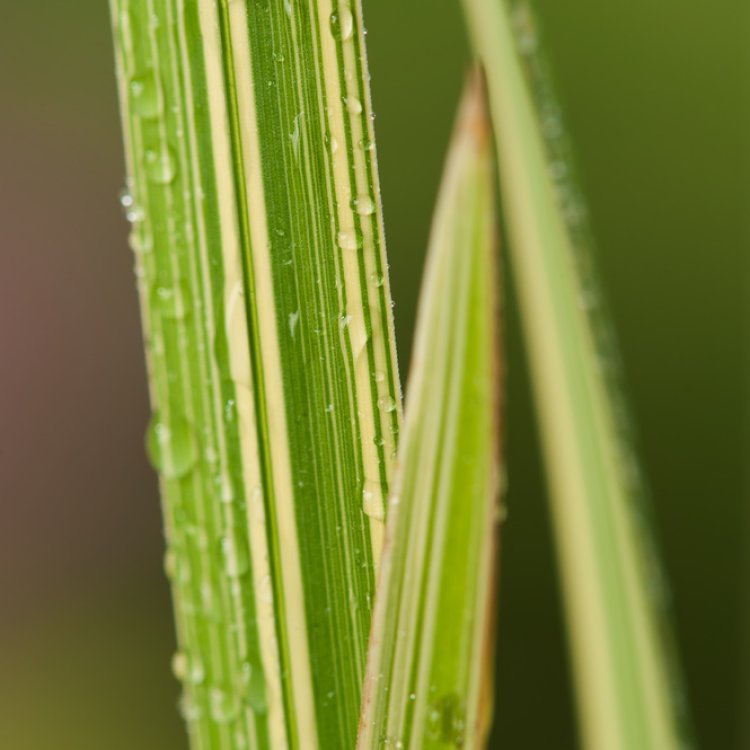
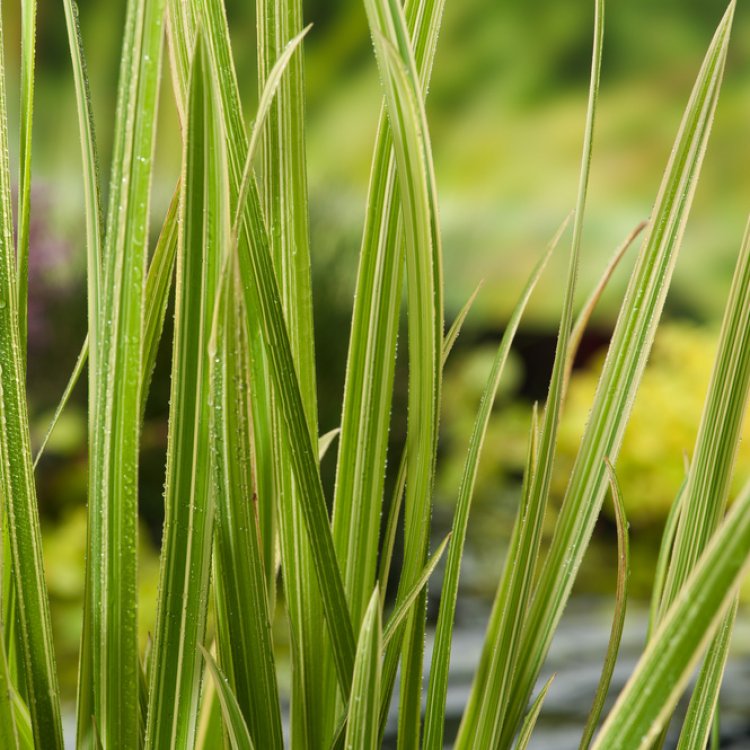
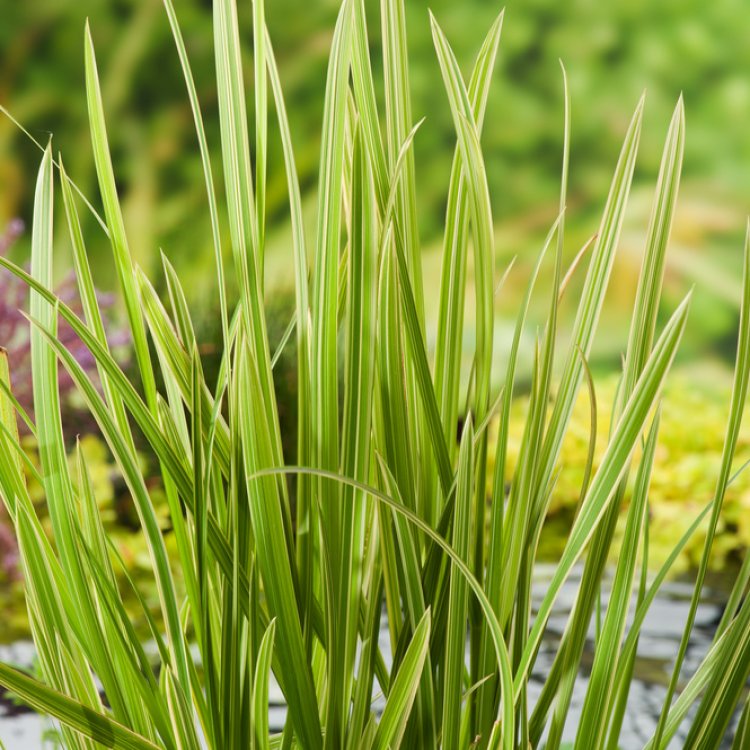
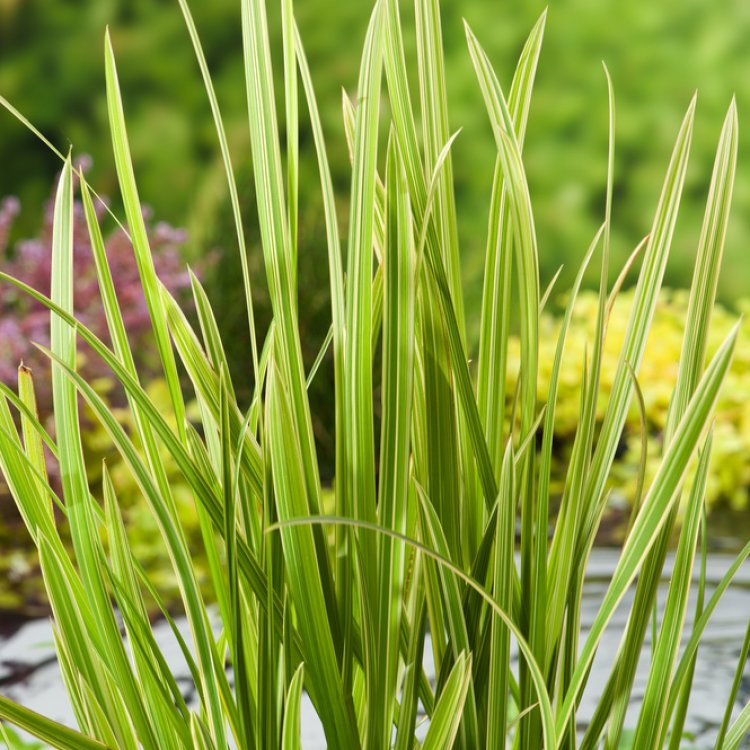
Glyceria maxima ‘Variegata’ develops tall, upright stems. These can reach up to one metre in height. Its broad, strap-like leaves create a dense clump. Each leaf showcases a stunning variegation pattern. Creamy-white stripes run longitudinally against a fresh green background. Young leaves often emerge with a pinkish hue in spring. This further enhances its appeal. As the season progresses, these colours intensify. This ensures continuous visual interest from spring through autumn. Although it produces small, inconspicuous flower spikes in summer, these are secondary. Gardeners mainly cultivate it for its magnificent foliage.
This vigorous perennial grass quickly establishes itself in wet or boggy conditions. It flourishes best at the edges of ponds, alongside streams, or in perpetually damp garden borders. Its upright habit makes it a superb background plant. It can also serve as a focal point in waterside displays. Moreover, its bright variegation helps to illuminate darker areas of the garden. For example, you might place it behind lower-growing pond plants to create depth. Gardeners typically do not prune this plant for shaping. Instead, they cut back any dead foliage in late winter or early spring. This encourages fresh new growth.
Glyceria maxima ‘Variegata’ offers more than just beauty. It actively supports local wildlife. Its dense growth provides excellent cover and nesting sites for frogs, newts, and other amphibians. Dragonflies and damselflies often perch on its sturdy stems. Additionally, aquatic insects find shelter within its foliage. Birds might also use its dried stems for nesting material. Consequently, planting this reed sweet-grass helps create a biodiverse and thriving pond ecosystem within your UK garden.
Very hardy. Tolerates temperatures typical of a continental winter.
Plant Glyceria maxima 'Variegata' in consistently wet to boggy soil, or in the shallow margins of a pond with up to 15cm of water above the crown. It thrives in full sun to partial sun. Ensure constant moisture for optimal growth and colour. This vigorous plant can spread rapidly in ideal conditions; consider planting it in a submerged aquatic basket to help restrict its growth and prevent it from becoming invasive. Cut back any dead or damaged foliage in late winter or early spring to encourage fresh new shoots. No significant pest or disease issues are common.