£3.02 – £4.43Price range: £3.02 through £4.43
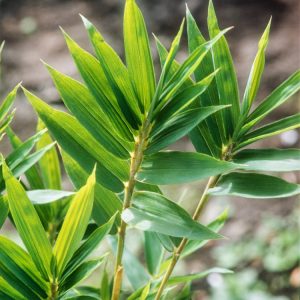
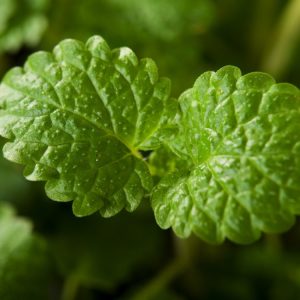
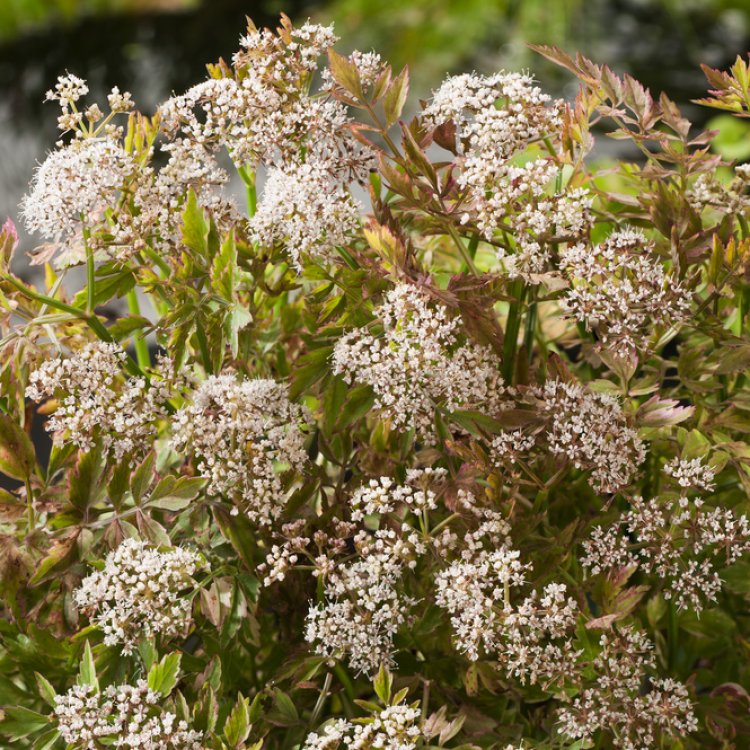
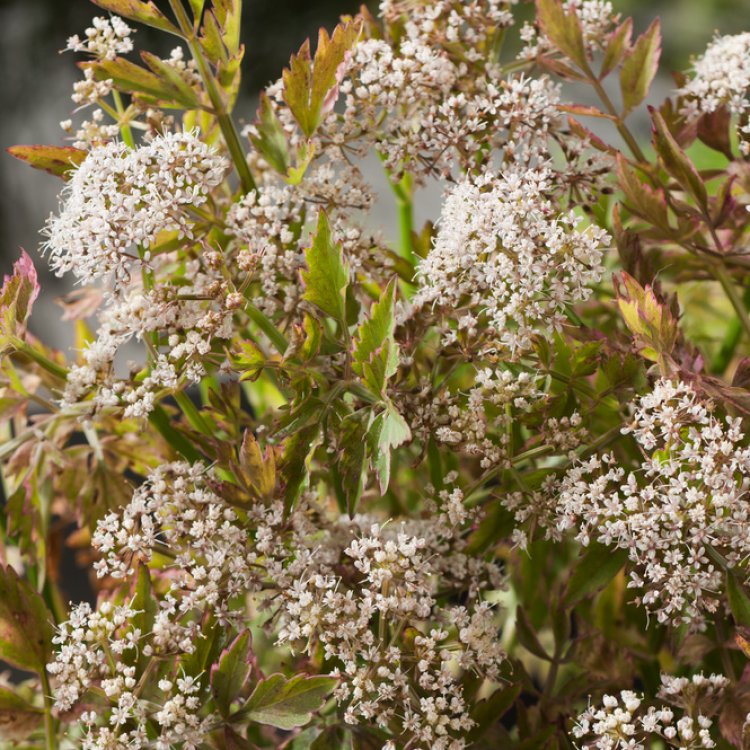
Oenanthe fistulosa ‘Flamingo’ is a vibrant water-dropwort cultivar with stunning pink, cream, and green variegated foliage. Perfect for UK bog gardens and pond edges, it brings unique colour and attracts pollinators with its delicate white summer flowers.
300 in stock
Discover Oenanthe fistulosa ‘Flamingo’, a stunning water-edge plant boasting vibrant pink, cream, and green variegated foliage, bringing unique colour to bog gardens and pond margins.
This special plant, also known as Tubular Water-dropwort ‘Flamingo’, offers great beauty. Its bright leaves create a lively show from spring through autumn. UK gardeners love how it suits wet places, making it ideal for damp spots. It grows fast, changing any waterside area into a bright haven.
The genus Oenanthe comes from Greek, referring to its grape-like roots. The ‘fistulosa’ part means its stems are hollow and tubular. The ‘Flamingo’ name clearly reflects its bright pink variegation. This colour reminds people of a flamingo’s feathers. This plant is a true spectacle for any garden.
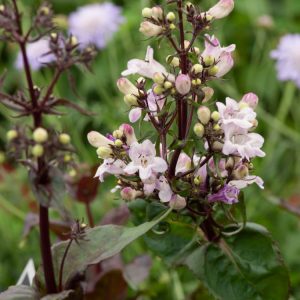
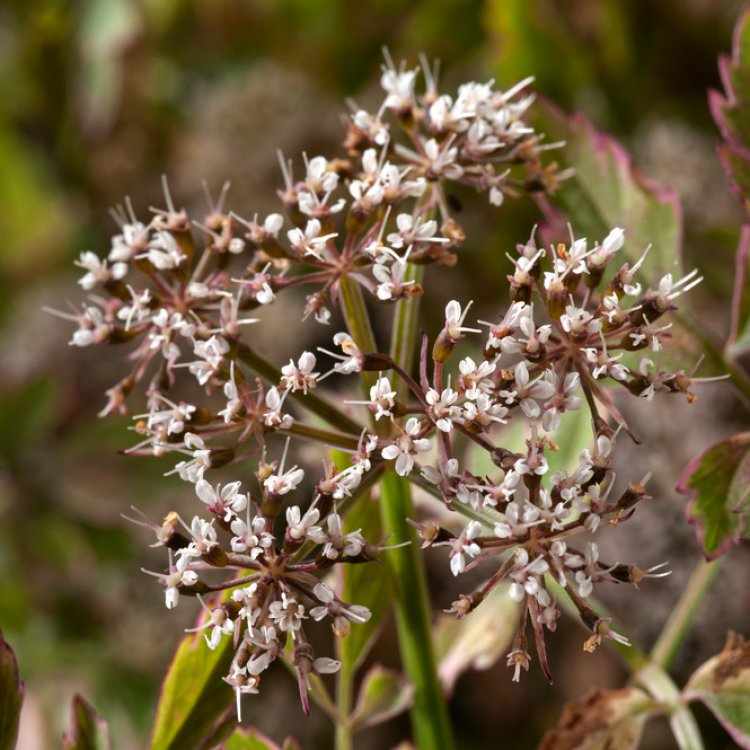
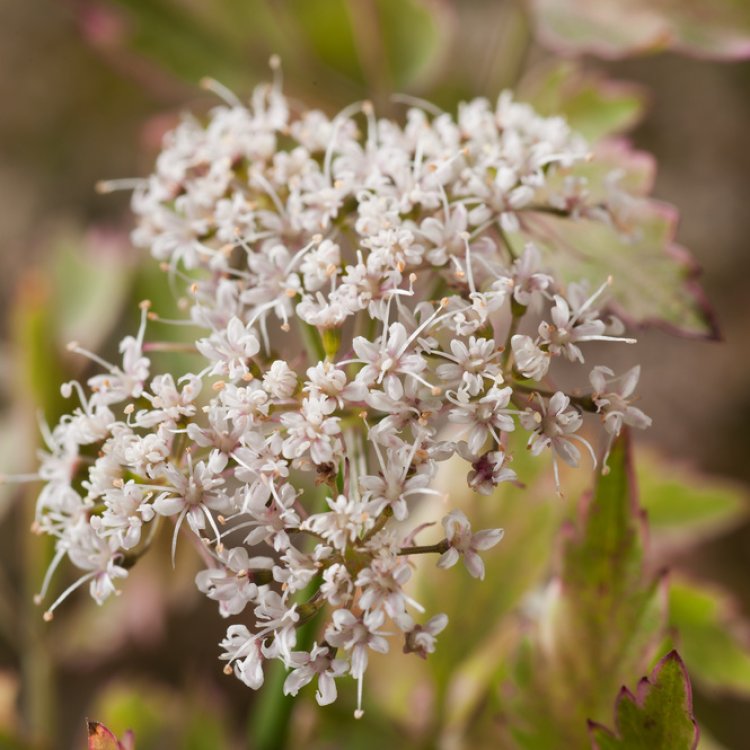
In summer, from June to August, Oenanthe fistulosa ‘Flamingo’ grows small white flowers. These blooms form pretty clusters, rising above the colourful leaves. These flowers also attract many pollinators. Bees, hoverflies, and other useful insects visit them for nectar and pollen. Planting this water-dropwort helps nature in your garden. It adds to the local wildlife.
This plant needs soil that stays wet, or you can grow it in shallow water (up to 10cm deep). It is a great choice for bog gardens, pond edges, or damp borders. Its upright shape adds a nice vertical touch. Use Oenanthe fistulosa ‘Flamingo’ to make pond edges look softer or to create a bright spot in a wet area. You only need to trim old leaves in late autumn or early spring for new growth.
Hardy in all of the UK and northern Europe. Suitable for exposed sites.
Ensure soil remains consistently wet or plant in shallow water (up to 10cm deep). Remove spent flower stalks after blooming to maintain appearance. Cut back old or damaged foliage in late autumn or early spring before new growth emerges. Division every few years in spring helps maintain vigour.
This plant is deciduous so it will lose all of its leaves in the autumn and get fresh new foliage each spring.