£6.53 – £7.96Price range: £6.53 through £7.96
Schoenoplectus tabernaemontani ‘Zebrinus’, or Zebra Rush, offers unique striped stems for UK pond margins and bog gardens. This hardy, architectural plant provides year-round interest and wildlife shelter with minimal care.
300 in stock
Bring unique striped beauty to your pond or bog garden with Schoenoplectus tabernaemontani ‘Zebrinus’, an architectural aquatic plant offering year-round interest.
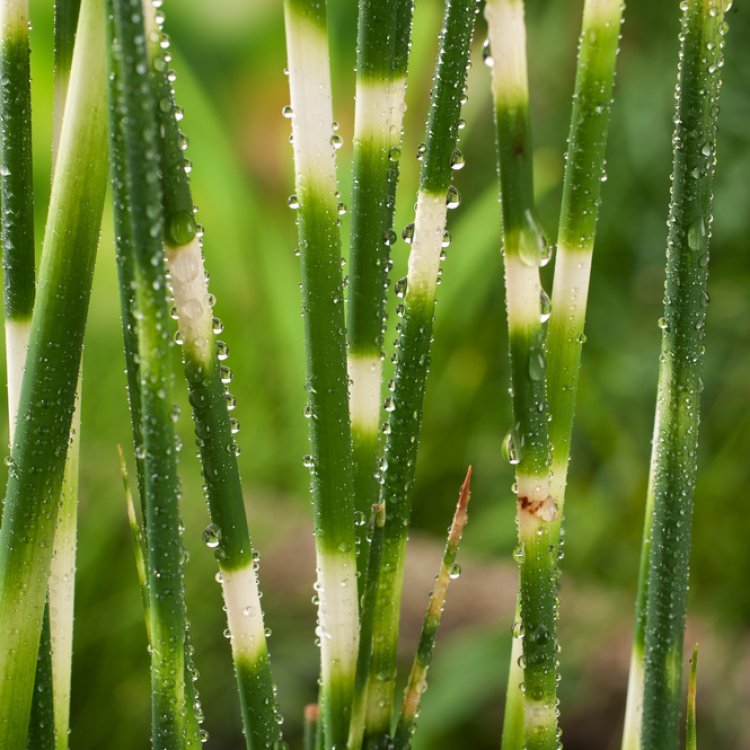
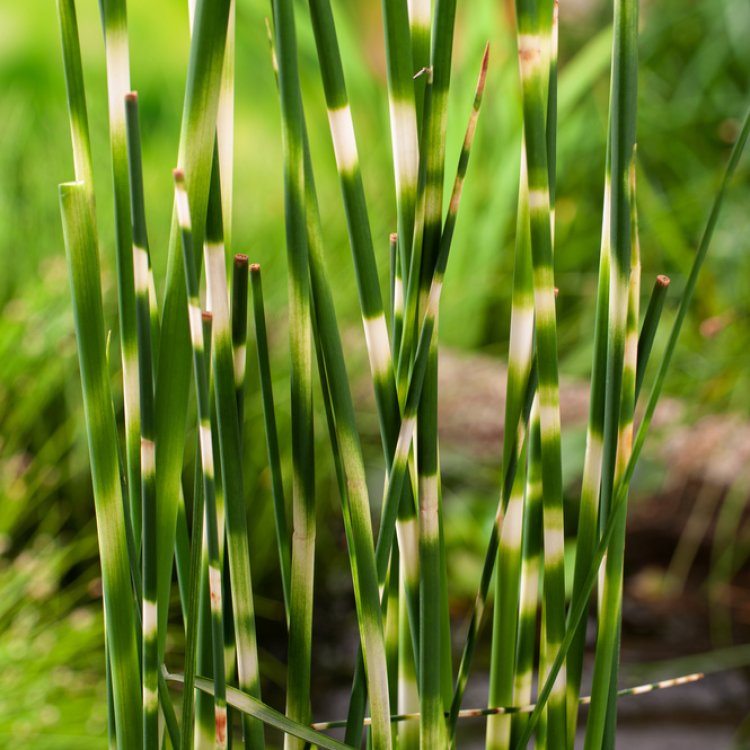
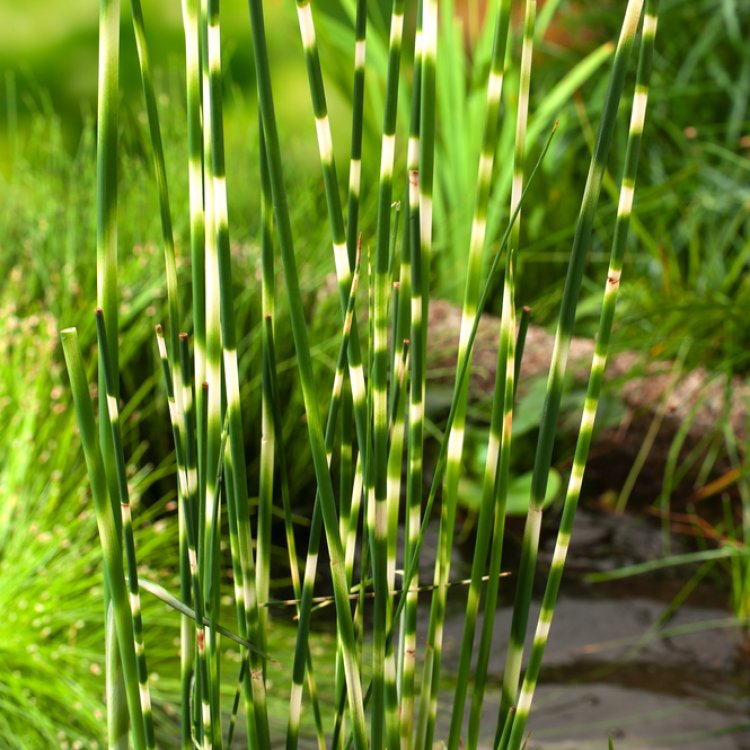
Schoenoplectus tabernaemontani ‘Zebrinus’, also known as Zebra Rush or Striped Rush, is a distinctive perennial. It adds striking verticality and pattern to any water feature. This plant originates from wetland areas, so it thrives in pond margins or boggy ground. Its unique horizontal banding across its upright stems creates a captivating visual effect. This robust cultivar offers year-round appeal. It makes a valuable addition to many UK garden designs. This plant brings exotic charm with minimal fuss.
Schoenoplectus tabernaemontani ‘Zebrinus’ is a specific cultivar. It comes from the species Schoenoplectus tabernaemontani. This plant belongs to the sedge family, Cyperaceae. The ‘Zebrinus’ part of its name highlights its unique striped look. This name takes inspiration from the Latin word “zebra”. It perfectly reflects the distinct bands on its stems. This plant offers a truly unique aesthetic. Its strong, round stems grow vertically, reaching about 0.8 metres tall.
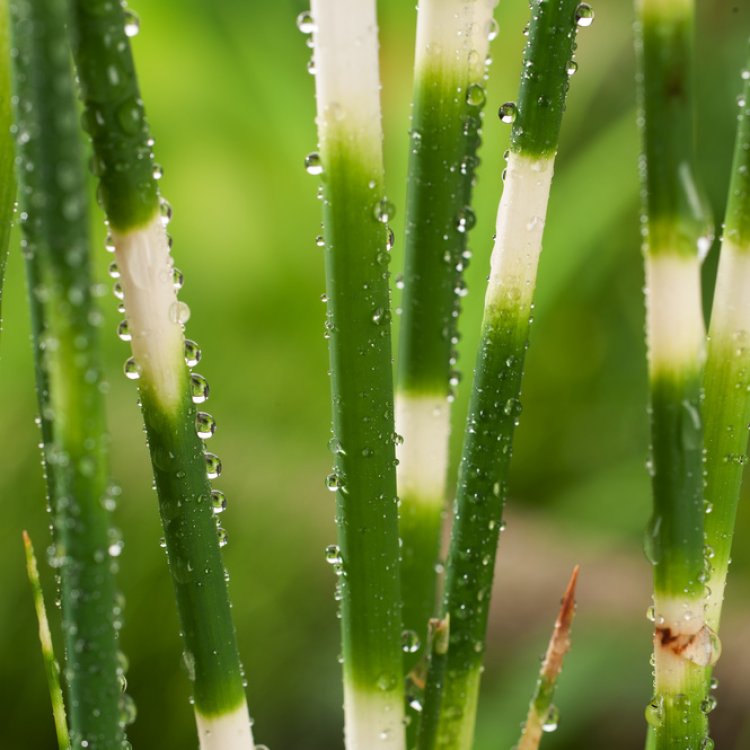
The main appeal of Zebra Rush is its vibrant foliage. Each upright stem shows bold, horizontal bands. These bands are dark green and creamy white. The stripes become clearer as the plant grows older. Its foliage stays green in milder areas. However, it might die back in very cold winters. It then re-emerges fresh in spring. This consistent display provides great visual interest throughout the year. The stems feel smooth, like reeds.
Schoenoplectus tabernaemontani ‘Zebrinus’ does produce flowers. However, these are often quite small and brown. They appear as little spikelets at the stem tips during summer. These blooms are not the plant’s main attraction. Gardeners choose this plant for its architectural form and stunning variegated stems instead. Yet, these tiny flowers can still draw small insects. They contribute to the pond’s natural biodiversity.
Striped Rush works well in many garden settings. Plant it at pond or stream edges. It helps soften the surrounding hard landscaping. It also grows happily in bog gardens, where soil stays wet. You can also grow it in pots submerged in water. This method creates a striking visual. It also helps manage its natural spread. Its upright shape complements plants with broader leaves. Schoenoplectus tabernaemontani ‘Zebrinus’ fits both modern and naturalistic designs.
This plant needs very little pruning. You only need to remove dead or damaged stems. Cut these stems back to the base when you see them. This keeps the plant tidy. It also encourages new, fresh growth. No special shaping is necessary. The plant naturally keeps its elegant vertical form.
Schoenoplectus tabernaemontani ‘Zebrinus’ offers shelter for pond wildlife. Its dense stems provide cover for creatures like frogs, newts, and various aquatic insects. Small insects may visit its tiny summer flowers. In this way, it supports local pond ecosystems. It helps wildlife, even if it does not directly attract many bees or butterflies.
Very hardy. Tolerates temperatures typical of a continental winter.
Schoenoplectus tabernaemontani 'Zebrinus', also known as Zebra Rush or Striped Rush, is a low-maintenance aquatic plant that thrives with minimal attention when its basic needs are met.
Ensure the plant's roots are consistently wet. It is ideal for planting in pond margins where water is shallow (up to 15cm deep) or in boggy, constantly moist soil. If grown in containers, keep them submerged or regularly water to prevent drying out, as it does not tolerate dry conditions.
Generally, Schoenoplectus tabernaemontani 'Zebrinus' does not require extensive feeding. If grown in pots within a pond, use aquatic plant baskets lined with hessian and filled with aquatic compost. This provides sufficient nutrients for healthy growth. Avoid general garden fertilisers, as these can promote algae growth in ponds.
Minimal pruning is needed. In late autumn or early spring, remove any dead, damaged, or discoloured stems by cutting them back to the base. This encourages fresh new growth and maintains a tidy appearance throughout the year.
When growing in containers, especially in ponds, use aquatic baskets to help restrict its vigorous, rhizomatous spread. This prevents it from taking over smaller water features. Re-pot or divide congested clumps every two to three years to maintain plant vigour and ensure continued healthy growth.
In most UK regions, Schoenoplectus tabernaemontani 'Zebrinus' is hardy (RHS H6) and can remain in situ. While stems may die back in very harsh winters, new growth will reliably emerge from the rhizomes in spring. No special winter protection is usually required, making it a robust choice for UK gardens.