£3.02 – £4.43Price range: £3.02 through £4.43
Typha minima, or Dwarf Bulrush, is an elegant aquatic perennial. It offers charming miniature ‘cattail’ flowerheads and slender, upright foliage. Perfect for UK pond margins and container water features, this plant brings unique vertical interest and wildlife benefits to your garden.
282 in stock
Discover Typha minima, the elegant Dwarf Bulrush, a charming aquatic perennial perfect for bringing vertical interest and character to UK pond edges.
This delightful plant, also known as Miniature Reedmace, offers unique appeal to water features of all sizes. It captivates with its slender, upright growth and distinctive flowerheads. Despite its small stature, Typha minima makes a significant impact. It is truly an ideal choice for adding texture and structure to tranquil pond margins, thus enhancing garden aesthetics beautifully. Gardeners appreciate its refined presence.
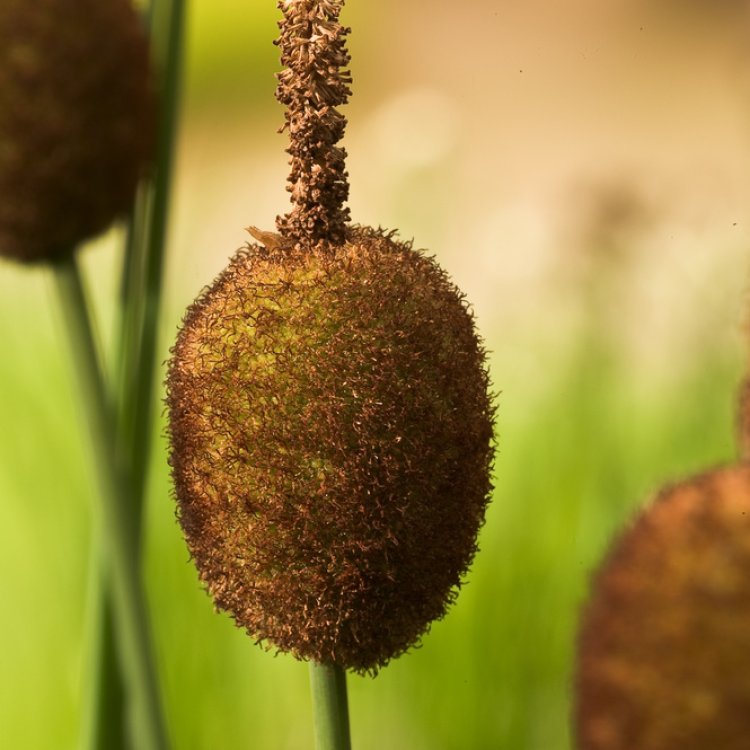
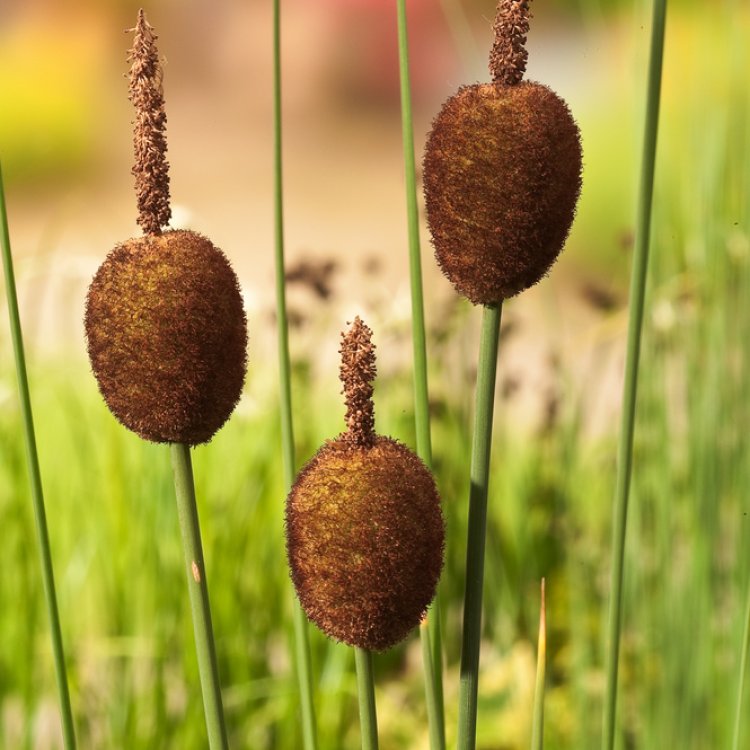
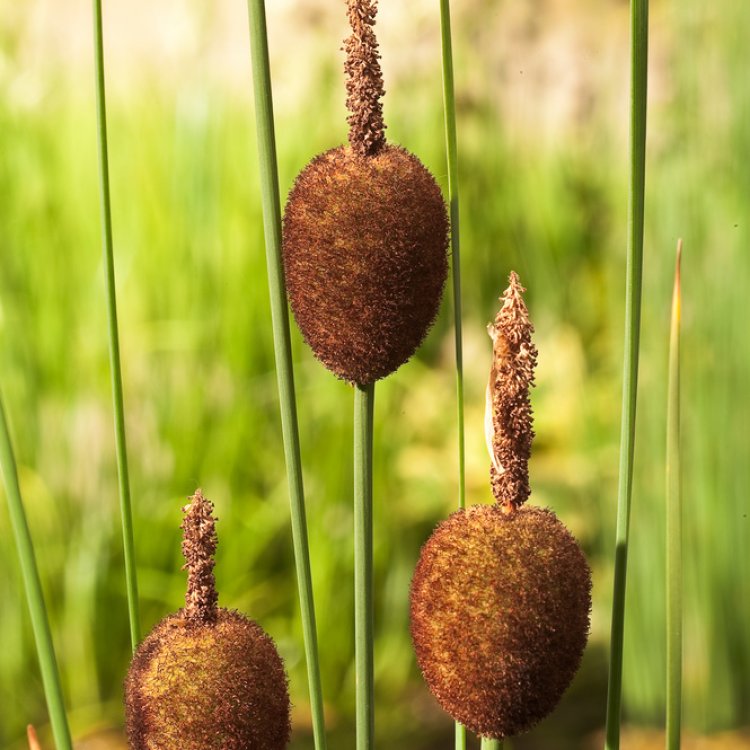
Typha minima earns its botanical name from the Greek word ‘typha’, referring to its characteristic reed-like form, and ‘minima’, Latin for ‘smallest’, aptly describing its diminutive size. This charming perennial offers a more compact alternative to its larger relatives, making it suitable for even the most modest of UK gardens. The Dwarf Bulrush develops slender, upright stems, crowned with distinctive flowerheads. These emerge green in summer, gradually maturing into rich brown, cylindrical spikes that evoke tiny sausages. Consequently, they become a focal point.
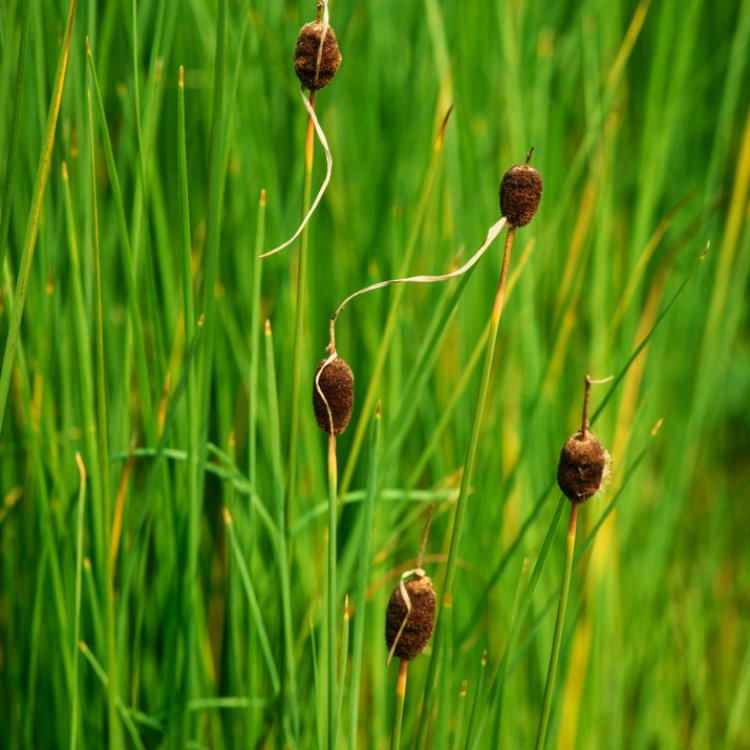
The foliage of Typha minima is equally attractive, consisting of fine, grass-like leaves that maintain a vibrant green hue throughout the growing season. These elegant leaves emerge from the water, creating a soft, textured backdrop for the developing flower spikes. Typically, flowering occurs from July through to August, presenting a fascinating visual display. As the season progresses, these unique flowerheads hold their form, adding extended interest well into autumn. This plant ensures continuous appeal in your water feature.
Many gardeners choose Typha minima for its versatile use in aquatic settings. It thrives best when planted in the shallow margins of ponds, where its roots can remain consistently moist. Consequently, it creates a natural transition from water to land. This plant also excels in bog gardens or larger containers filled with water, providing an excellent solution for smaller spaces. Furthermore, its upright habit adds vertical accent, drawing the eye upwards. Importantly, its presence enriches biodiversity.
Typha minima offers ecological benefits too. Its dense foliage provides crucial shelter for small aquatic creatures, including newts and frogs, creating a vital microhabitat. Birds may also use the spent flowerheads for nesting material or as a perch. Importantly, its presence enriches biodiversity.
This perennial maintains its neat, compact form naturally, making it an easy addition to any water feature. Minimal pruning is typically required, simply remove any old, faded foliage to encourage fresh growth in spring. Therefore, it remains an effortless and captivating choice for your garden.
Very hardy. Tolerates temperatures typical of a continental winter.
Plant Typha minima in aquatic baskets to help contain its spread and ensure it thrives. Submerge the plant to a depth of 0-15cm (0-6 inches) over the crown in still, shallow water. In autumn or early spring, remove any old or dead foliage to encourage fresh growth and maintain a tidy appearance. Divide congested clumps every few years to rejuvenate the plant and prevent it from becoming overcrowded.