£2.34 – £3.76Price range: £2.34 through £3.76
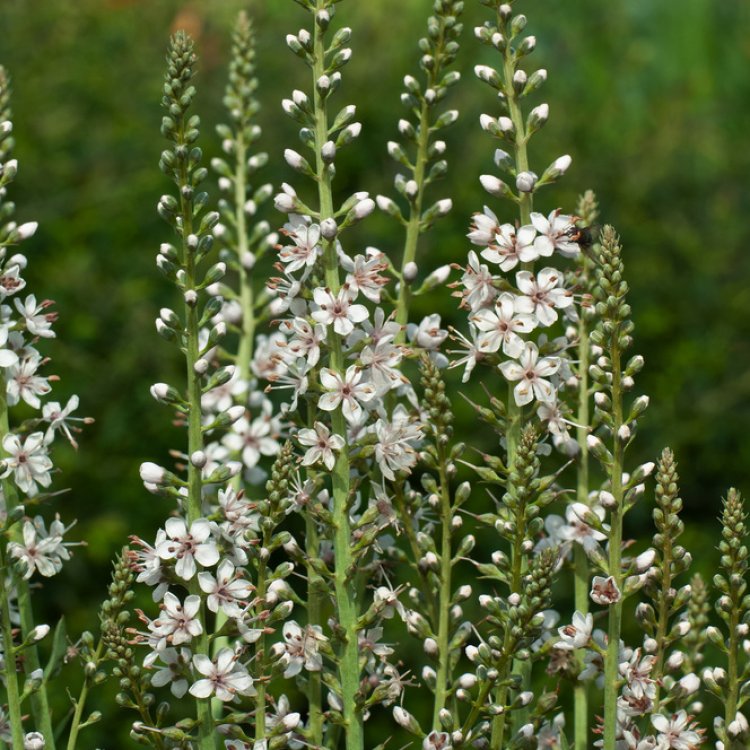
Lysimachia ephemerum, or Wand Loosestrife, brings elegant, architectural beauty to your UK garden. Enjoy its slender spires of white flowers from July to September, complemented by unique grey-green foliage. This deciduous perennial attracts pollinators and thrives in moist, well-drained soil.
416 in stock
Discover Lysimachia ephemerum, a stunning perennial bringing elegant, architectural beauty to UK gardens with its slender spires of white flowers.
Lysimachia ephemerum, commonly known as Wand Loosestrife, offers a graceful presence in any garden setting. This captivating perennial features a unique upright form, creating a strong vertical accent. Its distinctive grey-green foliage provides a beautiful contrast to its delicate blooms. Originally from parts of Europe, this plant adapts well to typical UK garden conditions, thriving in moist yet well-drained soil. Gardeners often choose it for its subtle charm and reliable summer flowering.
Lysimachia ephemerum presents a delightful spectacle in the summer garden. The plant’s name holds a rich history. ‘Lysimachia’ is thought to honour King Lysimachus of Thrace, who supposedly used a species of loosestrife to calm an enraged ox. The epithet ‘ephemerum’ refers to the somewhat fleeting nature of individual blooms. However, the overall flowering period is quite generous. This perennial typically reaches heights of 60 to 100 cm, forming elegant, slender columns.
The foliage of Wand Loosestrife is a key feature. Its lance-shaped leaves are a captivating grey-green, providing an understated backdrop for the blossoms. These leaves grow arranged neatly along the stems, contributing to the plant’s structural appeal. As a deciduous plant, its leaves will gracefully fade in autumn. The plant will then return with fresh growth each spring, ready to enchant anew.
During July and August, sometimes extending into September, Lysimachia ephemerum truly shines. It produces numerous spires of delicate, starry white flowers. Each flower spike stands proudly above the foliage. This creates a cloud of soft white that gently sways in the breeze. These blooms are beautiful. They are also a valuable resource for local wildlife, attracting many bees and butterflies. This helps to support your garden’s ecosystem.
This versatile plant is perfect for various garden applications. For instance, it excels when planted in herbaceous borders, providing vertical interest amongst shorter perennials. It also complements traditional cottage garden schemes wonderfully, adding a touch of informal elegance. Furthermore, it prefers moist soil. This makes it an excellent choice for damp borders or near water features. However, it will not tolerate waterlogged conditions. Lysimachia ephemerum generally requires minimal shaping. You can cut back spent flower spikes after blooming. This helps to maintain tidiness and encourages the plant’s energy towards root development.
Hardy in all of the UK and northern Europe. Suitable for exposed sites.
Lysimachia ephemerum is relatively low maintenance. Ensure the soil remains consistently moist, especially during dry spells in summer, but avoid waterlogging. Apply a balanced liquid feed in spring to encourage robust growth. Deadhead spent flower spikes after blooming to maintain a tidy appearance and to redirect the plant's energy into root development rather than seed production. No major pruning is typically needed beyond removing old stems at the base in late winter or early spring before new growth emerges.
This plant is deciduous so it will lose all of its leaves in the autumn and get fresh new foliage each spring.