£3.02 – £4.43Price range: £3.02 through £4.43
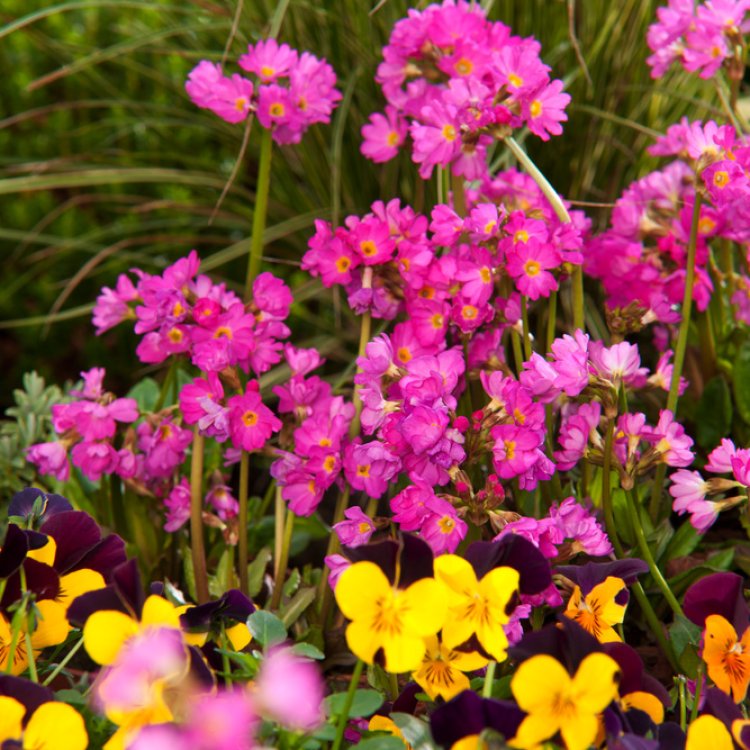
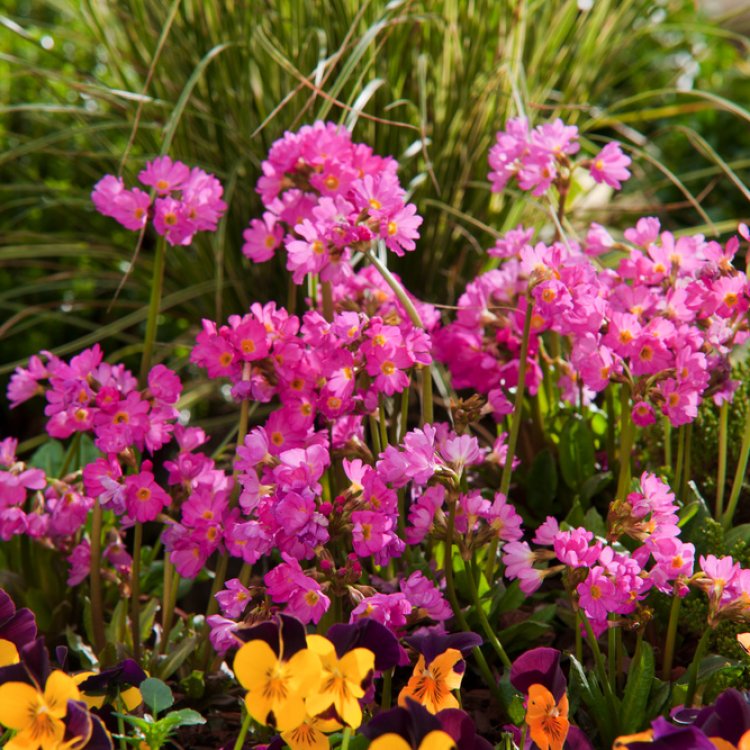
Primula rosea, the Rose Primrose, brightens UK gardens with vibrant rose-pink flowers from February to April. Ideal for moist spots, it reaches 30cm tall, attracting early pollinators and signalling spring’s start with cheerful charm.
297 in stock
Introducing Primula rosea, the Rose Primrose. This stunning perennial delivers vibrant rose-pink blooms to UK gardens, truly signalling early spring’s arrival.
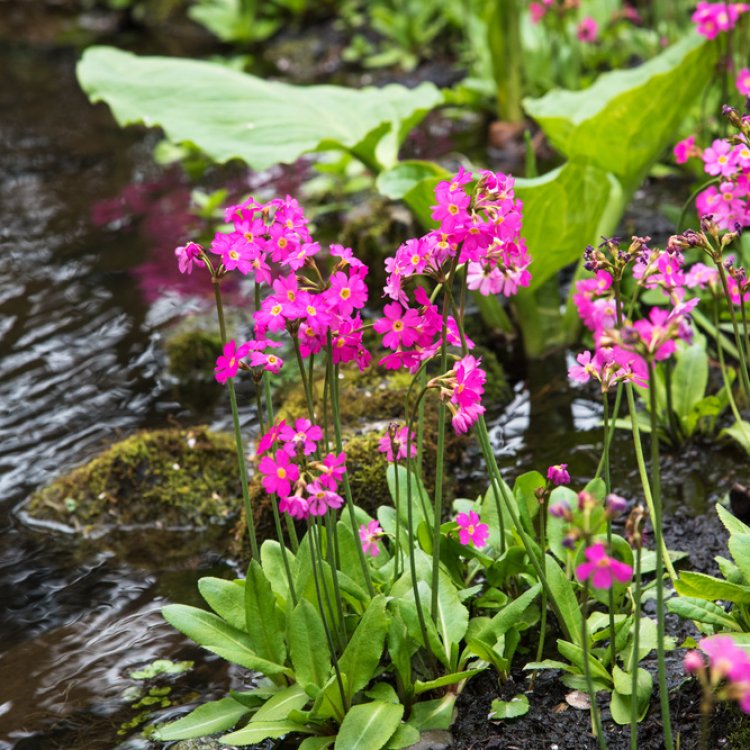
Primula rosea, often called the Rose Primrose, is a delightful addition to any damp garden spot. It brightens borders and pond edges with its intense, rosy-pink flowers. This native of the Himalayas thrives in consistently moist soil, mimicking its natural habitat. Gardeners in the UK value it for its early spring display, providing much-needed colour.
It welcomes the warmer months with grace and charm, its easy-going habit appealing to many gardeners. This hardy plant offers a cheerful presence when many other plants are still dormant.
Primula rosea hails from the damp, mountainous regions of the Himalayas. Its name “rosea” simply means ‘rose-coloured’ in Latin, a clear nod to its distinctive flower hue. This plant belongs to the large Primulaceae family. It is a true harbinger of spring, therefore offering a burst of colour to the early garden.
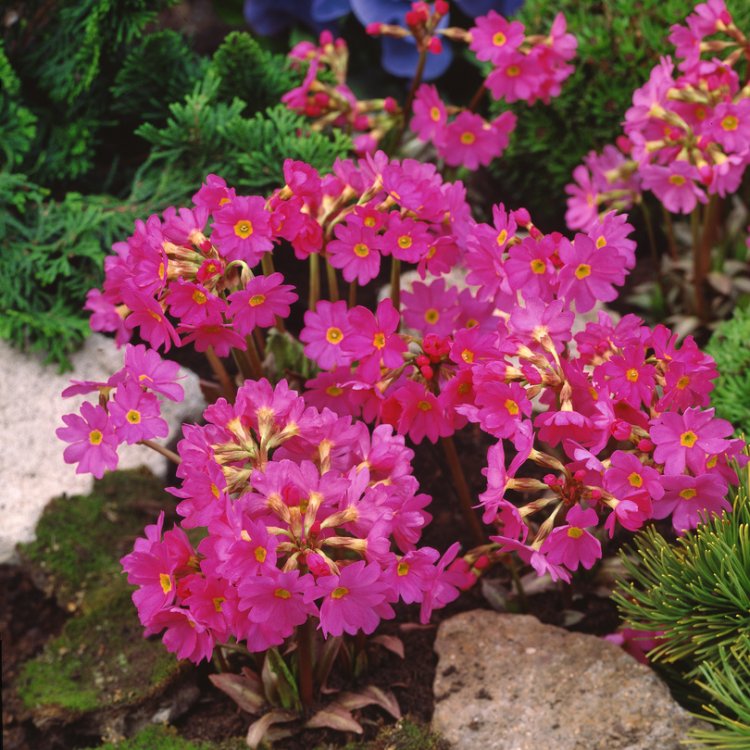
The striking, magenta-pink flowers of Primula rosea emerge on sturdy stalks. They appear before or with the new foliage, often starting in February and continuing into April. Each flower cluster creates a vivid dome of colour.
Following the blooms, fresh green leaves develop. These leaves have a serrated edge and form a neat basal rosette. Consequently, they provide attractive ground cover for much of the growing season.
Rose Primrose excels in areas with consistent moisture. Hence, it is perfect for bog gardens or near pond edges where the soil remains damp. Plant it along stream banks for a naturalistic look.
It also brightens damp borders or shaded areas that receive morning sun. Moreover, Primula rosea performs well in containers, provided the compost stays wet. Its compact size means it fits well into various garden designs.
Primula rosea offers valuable early nectar for pollinators. Bees especially flock to its vibrant flowers, aiding biodiversity in your garden. This plant needs little specific pruning. You can deadhead spent flowers if you wish to prevent self-seeding. Otherwise, allow it to spread gently, creating natural drifts of colour. This ensures a low-maintenance yet beautiful display year after year.
Hardy in all of the UK and northern Europe. Suitable for exposed sites.
Keep the soil consistently moist, especially during dry spells or hotter weather, as Primula rosea dislikes drying out. Deadhead spent flowers to encourage further blooming and maintain a tidy appearance, or allow them to self-seed if you wish for naturalised clumps. Apply a balanced liquid feed during the growing season. In autumn, top-dress around the base of the plant with well-rotted compost or leaf mould to enrich the soil and provide nutrients for the following year.