£9.45 – £10.87Price range: £9.45 through £10.87
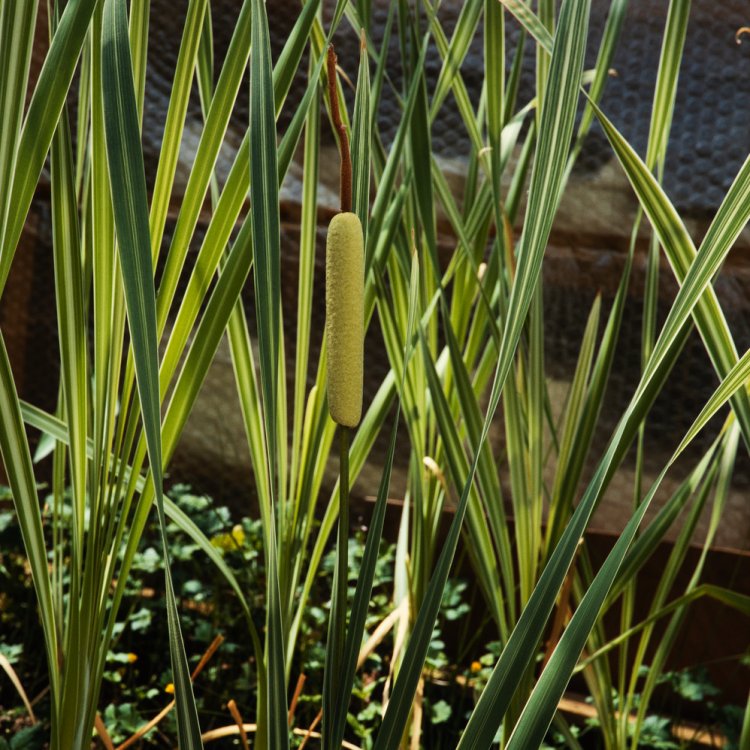
Typha latifolia ‘Variegata’ is a stunning variegated bulrush for UK ponds. Its striking cream and green striped leaves provide year-round vertical interest. Enjoy its unique brown flower heads and the wildlife it attracts to your water garden.
300 in stock
Discover Typha latifolia ‘Variegata’, a striking variegated bulrush perfect for enhancing the beauty of UK garden ponds and wetland areas. This elegant aquatic perennial, often known as Variegated Bulrush or Reedmace, introduces dynamic colour and vertical interest to water features. Its distinctive striped foliage truly brightens any watery setting. As a robust native plant, it thrives in the British climate, providing both visual appeal and environmental benefits. Moreover, it offers a wonderful habitat for pond wildlife, making it a valuable addition to your outdoor space.
The plant’s most captivating feature is its upright, sword-shaped leaves. These leaves showcase bold stripes of creamy white against a vibrant green background. This variegation provides a luminous quality, making the plant stand out even on dull days. In late summer, distinctive cylindrical flower heads emerge. These heads are a rich, velvety brown, resembling a traditional ‘bulrush’ or ‘reedmace’. Consequently, they provide architectural interest long after the foliage matures.
The name Typha latifolia ‘Variegata’ has interesting roots. The genus name ‘Typha’ originates from the Greek ‘typhos’, meaning marsh, directly referencing its preferred habitat. ‘Latifolia’ comes from Latin, combining ‘latus’ (wide) and ‘folium’ (leaf), describing its broad foliage. Finally, ‘Variegata’ clearly denotes the plant’s unique striped colouring.
Variegated Bulrush thrives in shallow water or very damp soil. Therefore, it is perfectly suited for the margins of ponds, bog gardens, or waterlogged areas. Gardeners often plant it in aquatic baskets. This method helps to manage its vigorous, rhizomatous spread. Without containment, it can quickly colonise an area. Its strong vertical lines create a lovely contrast with more rounded aquatic plants.
Pruning is straightforward for this plant. Simply cut back old, faded foliage in late autumn or early spring. This practice encourages fresh, new growth for the coming season. Furthermore, dividing the rhizomes every few years helps maintain plant vigour and controls its size.
This plant is a true asset for local wildlife. Its dense growth provides excellent shelter for pond creatures. Frogs and newts often hide among its stems. Dragonflies and damselflies find perching spots on its tall leaves. The mature flower heads, filled with tiny seeds, offer a vital food source for various birds, especially during winter months. Pollinators may also visit the early stages of the flower for pollen. By adding Variegated Reedmace to your garden, you create a richer, more biodiverse environment.
Very hardy. Tolerates temperatures typical of a continental winter.
For optimal growth, plant Typha latifolia 'Variegata' in an aquatic basket using specialist aquatic compost or heavy loam, then submerge it in shallow water, ideally 10-30cm deep over the crown. This method effectively restricts its vigorous rhizomatous spread. In late autumn or early spring, cut back any old or yellowing foliage to just above the water level to encourage fresh new growth. To maintain plant vigour and manage its size, divide established clumps every three to five years. Ensure the plant receives full sun for the best foliage colour and flower production.