£6.53 – £7.96Price range: £6.53 through £7.96
Iris pseudacorus ‘Variegata’ is a stunning pond plant for UK gardens, featuring vibrant cream and yellow variegated foliage in spring and cheerful yellow flowers from May to July. This hardy, pollinator-friendly perennial thrives in damp conditions, adding unique interest to water features.
280 in stock
Discover Iris pseudacorus ‘Variegata’, a striking British native pond-side plant boasting vibrant variegated foliage and cheerful yellow flowers, perfect for water features.
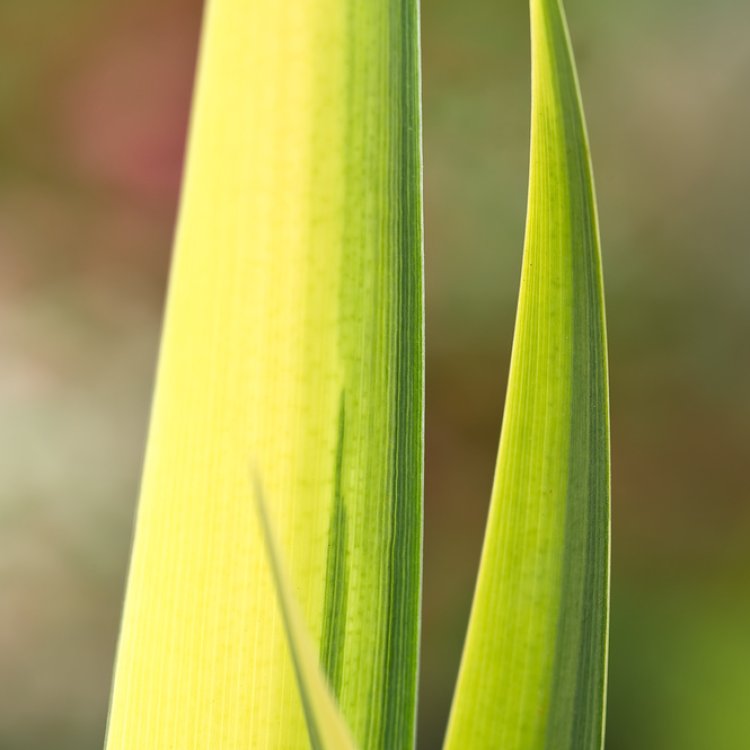
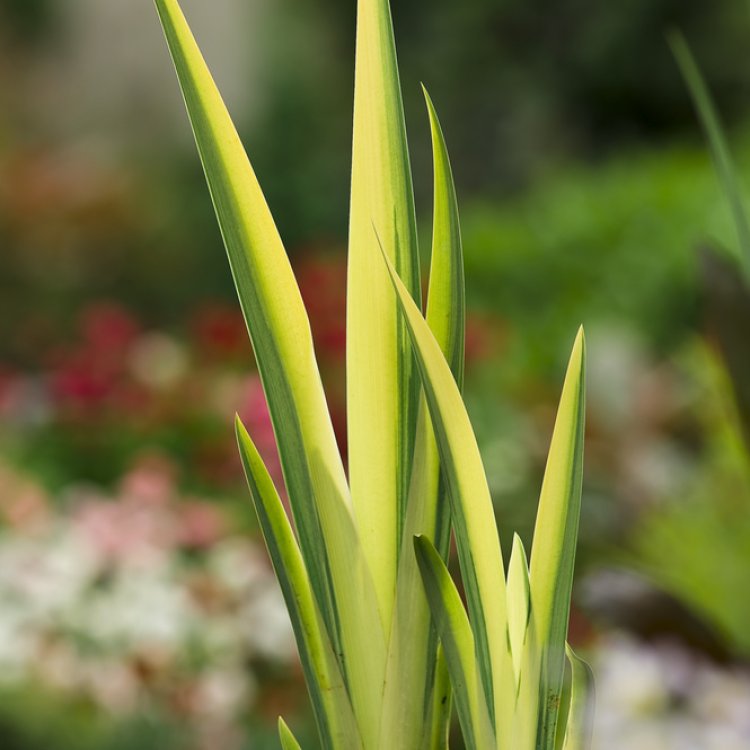
Iris pseudacorus ‘Variegata’, also known as Variegated Yellow Flag Iris, brings a unique charm to UK gardens. This robust perennial thrives in damp conditions. It is an excellent choice for bog gardens, pond margins, or even large aquatic containers. Its impressive sword-like leaves emerge in spring, displaying a stunning cream and green striped pattern. These distinctive leaves provide strong vertical interest. They are beautifully complemented by its bright, sunshine-yellow blooms.
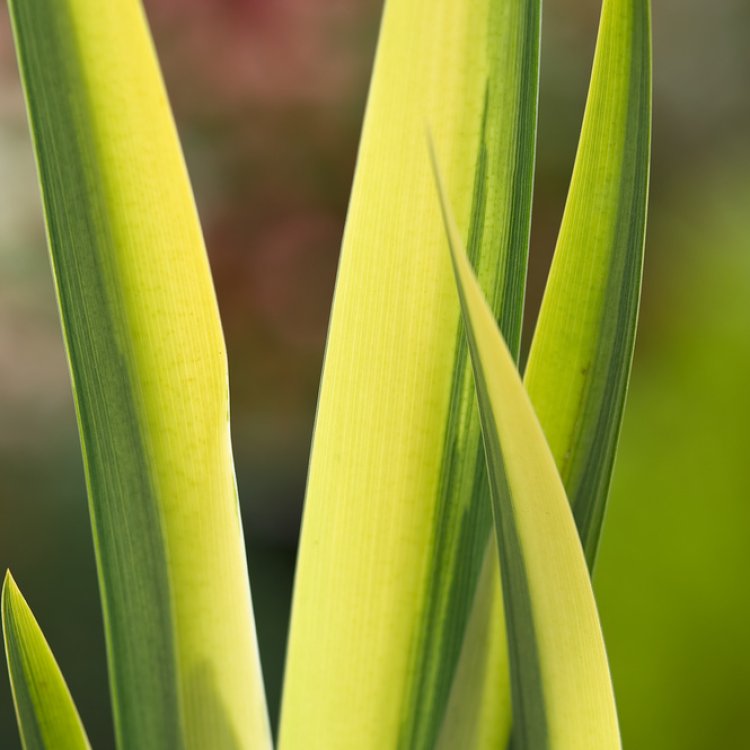
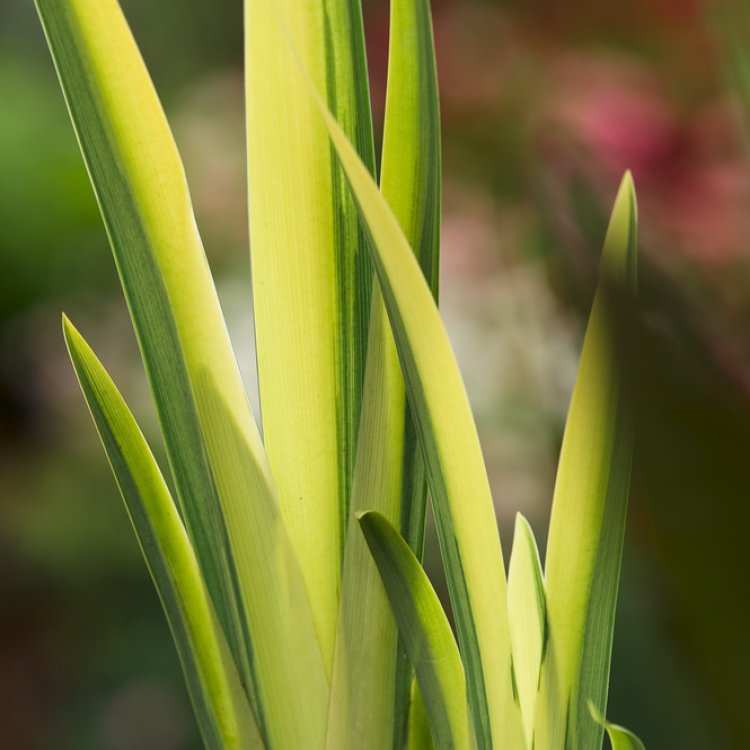
The most captivating feature of Iris pseudacorus ‘Variegata’ is its eye-catching foliage. In spring, new shoots emerge with brilliant cream or yellow stripes along the sturdy, sword-shaped leaves. This creates a dramatic visual contrast, making the plant stand out early. While the variegation may soften to more muted green tones as summer advances, the leaf structure still offers strong vertical appeal. From May to July, the plant produces its characteristic vibrant yellow flowers. These classic iris blooms are held aloft on tall stems, dancing above the variegated leaves.
The genus name, Iris, originates from the Greek goddess of the rainbow. This refers to the diverse range of colours found across many species in the Iris family. Furthermore, the species epithet pseudacorus translates to ‘false acorus’. This accurately describes how its strap-like leaves resemble those of the Sweet Flag, Acorus calamus. The cultivar name, ‘Variegata’, simply highlights its distinctively striped or variegated leaves. This distinguishes it from the plain green species.
Iris pseudacorus ‘Variegata’ is perfectly suited for a variety of garden uses, particularly around water. Plant it along pond edges, where its roots can be submerged in shallow water. Alternatively, integrate it into a damp bog garden. It also performs well in large, water-filled containers. This offers flexibility for patios or smaller spaces. This plant creates a natural, lush feel. It adds valuable height and texture. Its upright habit makes it an excellent choice for a strong focal point. It can also soften the transition between water and land.
As a native species, the Yellow Flag Iris is incredibly beneficial to local ecosystems. Its bright yellow flowers serve as a magnet for various pollinators. These include bees and hoverflies, which are essential for a healthy garden. To maintain a tidy appearance, simply deadhead spent flowers. This prevents excessive self-seeding. In late autumn or early winter, cut back the old foliage to ground level. This prepares the plant for new growth in the following spring. It ensures a fresh display of its attractive variegated leaves.
Hardy in the harshest UK conditions and below. Suitable for mountain regions.
Plant in wet soil or up to 30cm deep in water. Prefers full sun to partial shade. Deadhead spent flowers to prevent self-seeding. Cut back old foliage in autumn/winter. Divide overcrowded clumps every few years in spring.
This plant is deciduous so it will lose all of its leaves in the autumn and get fresh new foliage each spring.