£3.94 – £5.36Price range: £3.94 through £5.36
Saururus cernuus, or Lizard’s Tail, is a unique herbaceous perennial. It displays distinctive white, arching flower spikes and attractive heart-shaped foliage, perfect for UK pond margins and bog gardens. It thrives in wet soil and attracts pollinators.
261 in stock
Saururus cernuus, often known as Lizard’s Tail, brings unique charm and structural interest to any UK pond or bog garden. This captivating herbaceous perennial thrives in wet conditions, making it an excellent choice for waterside planting. Many gardeners choose this plant for its distinctive features and ability to create a natural, verdant feel. It adapts wonderfully to various damp environments across the United Kingdom, offering a lush backdrop or a standalone feature.
Hailing from the wetlands of North America, Saururus cernuus effortlessly enhances damp areas in British gardens. This plant is truly special due to its unusual flower spikes and attractive foliage. It establishes easily, providing reliable beauty throughout the growing season. Furthermore, its presence supports local wildlife, adding an ecological benefit to its aesthetic appeal. Therefore, it is a rewarding addition for those seeking both beauty and biodiversity.
The botanical name, Saururus cernuus, refers to its unique inflorescence. ‘Saururus’ derives from the Greek for ‘lizard’s tail’, perfectly describing its slender, arching flower spikes. ‘Cernuus’ means ‘nodding’ or ‘drooping’, highlighting how the flower tips often bend downwards. Consequently, its common name, Lizard’s Tail, is widely recognised and aptly describes this peculiar, yet beautiful, feature. This plant belongs to the small family Saururaceae, distinguishing it further.
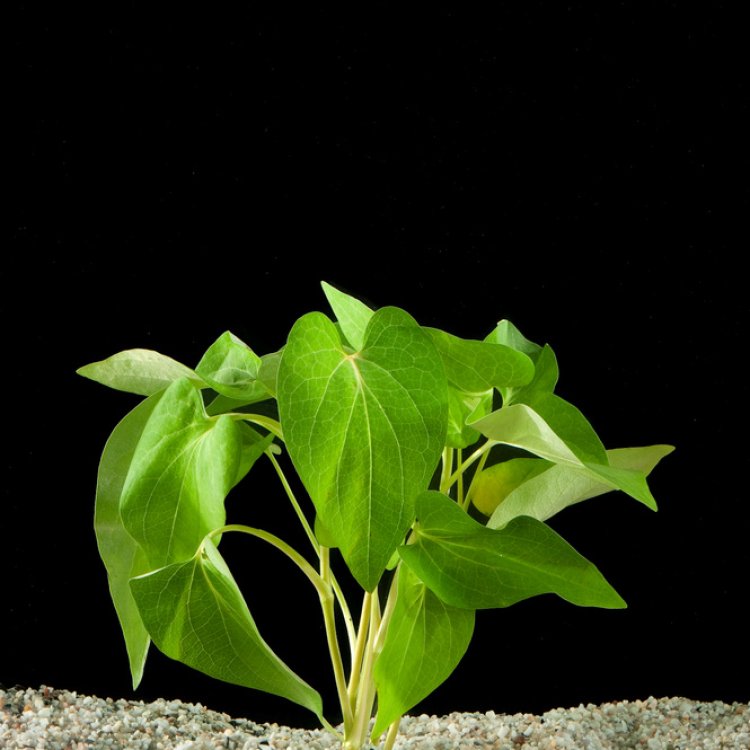
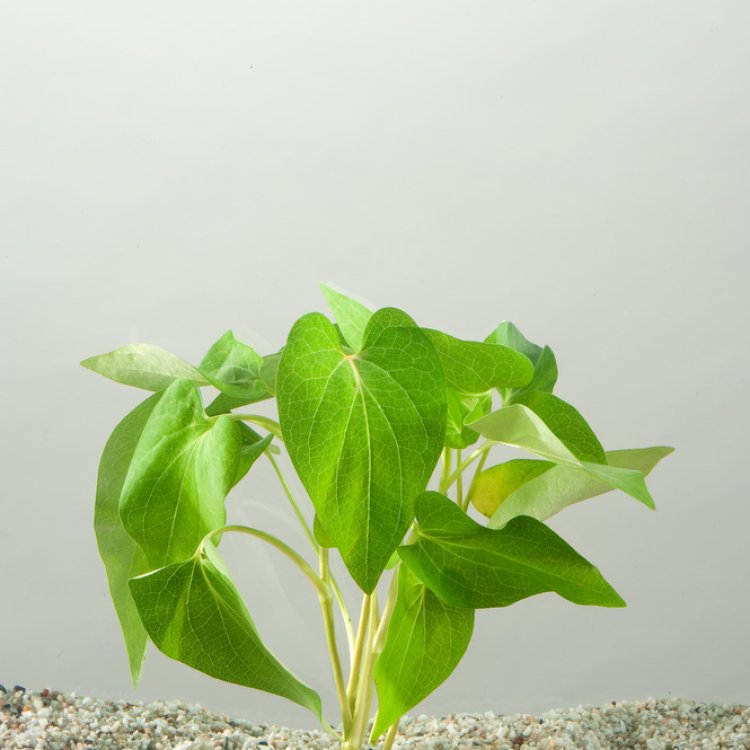
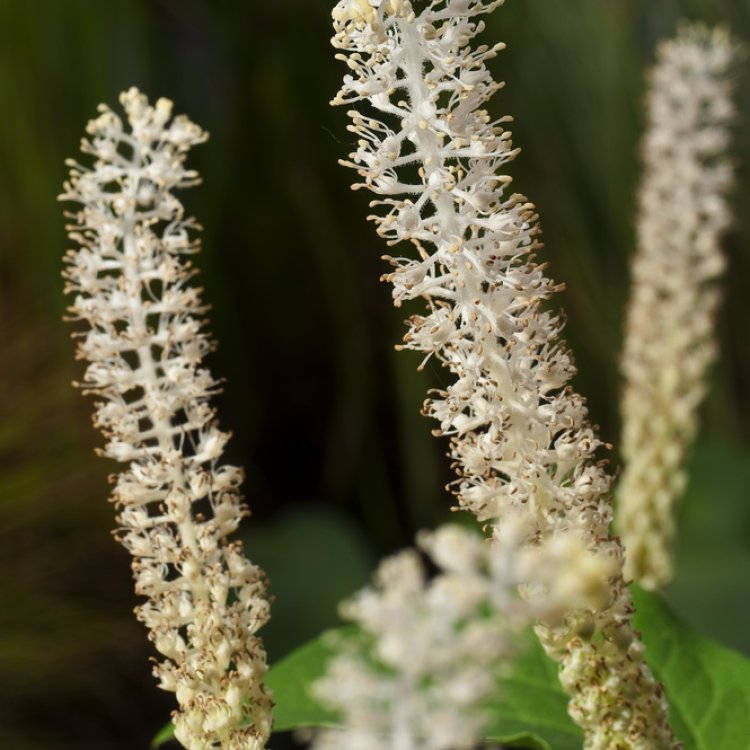
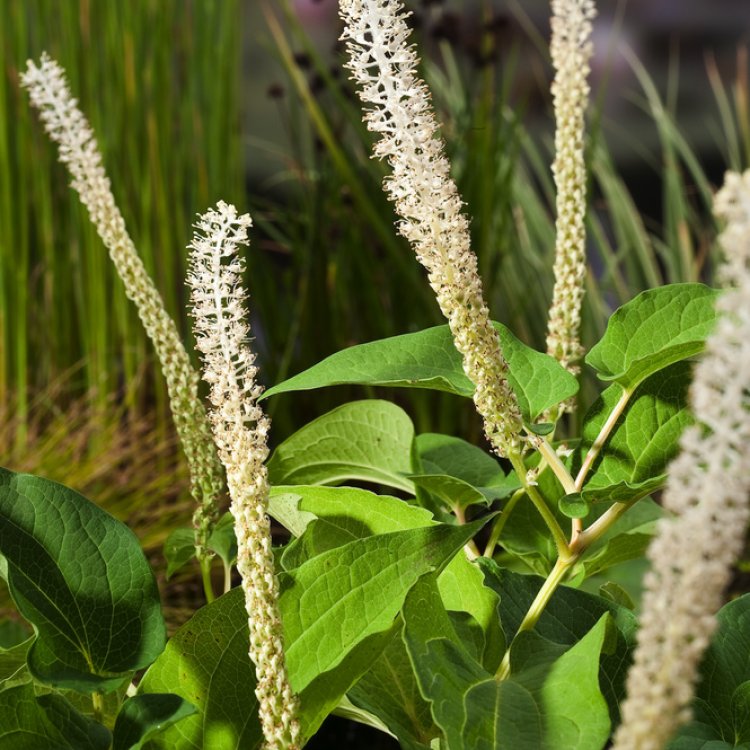
Saururus cernuus presents attractive, glossy, heart-shaped leaves which emerge in spring. These leaves provide a lush, green texture from spring until autumn frosts arrive. Then, in mid-summer, typically from July to September, the plant produces its truly distinctive flowers. Each flower spike is slender, white, and notably fragrant, arching upwards before gently nodding at the tip. These spikes are densely packed with tiny, star-shaped blossoms, creating a soft, Bottlebrush-like appearance. As a result, they offer a delicate yet striking visual element.
This wonderful plant excels in areas with consistently wet soil or shallow water, making it a natural fit for UK pond margins. It also thrives in bog gardens or at the edge of streams. Saururus cernuus forms dense colonies over time, providing excellent ground cover in damp situations. Its spreading habit means it quickly colonises suitable spaces. Therefore, it is perfect for naturalising in larger, informal wetland settings. Furthermore, its vertical flower spikes provide good contrast against more horizontally growing aquatic plants.
Beyond its beauty, Saururus cernuus serves an important ecological role. Its nectar-rich flowers are particularly attractive to various pollinators, including bees and hoverflies, adding to garden biodiversity. Many insects visit these unique blooms, finding a valuable food source. This plant is generally low maintenance. It does not typically require pruning, though you can remove old foliage in late autumn or early spring for tidiness. If its spreading habit needs limiting, division in spring is an effective method. Ultimately, this makes Lizard’s Tail a rewarding and environmentally conscious choice.
Hardy in all of the UK and northern Europe. Suitable for exposed sites.
Saururus cernuus thrives in perpetually moist to shallowly submerged conditions, making pond margins and bog gardens ideal. Plant in spring or early summer to allow establishment before winter. It tolerates a range of soil types provided they remain consistently wet. Minimal feeding is required; established plants rarely need extra nutrients. Cut back old or yellowing foliage in late autumn or early spring for tidiness and to encourage fresh growth. This plant spreads via rhizomes, so consider planting in a submerged basket if you wish to restrict its spread in smaller ponds or containers. No significant pest or disease issues are common.