£3.02 – £4.43Price range: £3.02 through £4.43
Schoenoplectus lacustris, the Common Club-rush, is a native British aquatic plant. It offers tall, vertical stems for pond margins and bog gardens, providing excellent wildlife habitat and architectural interest. Hardy and easy to grow, it transforms water features.
300 in stock
Discover Schoenoplectus lacustris, often called Common Club-rush, a vital British native aquatic plant offering striking vertical interest and wildlife benefits for your pond.
Schoenoplectus lacustris, widely known as Common Club-rush or Bulrush, brings elegant structure to pond edges and bog gardens across the UK. This robust perennial features tall, upright stems, creating a strong vertical accent in water features. It thrives in damp conditions, thus making it perfect for naturalistic or wildlife-friendly planting schemes. With its native charm and easy-going nature, it is a favourite for those looking to enhance wetland environments. This plant quickly establishes itself, transforming aquatic margins into vibrant habitats.
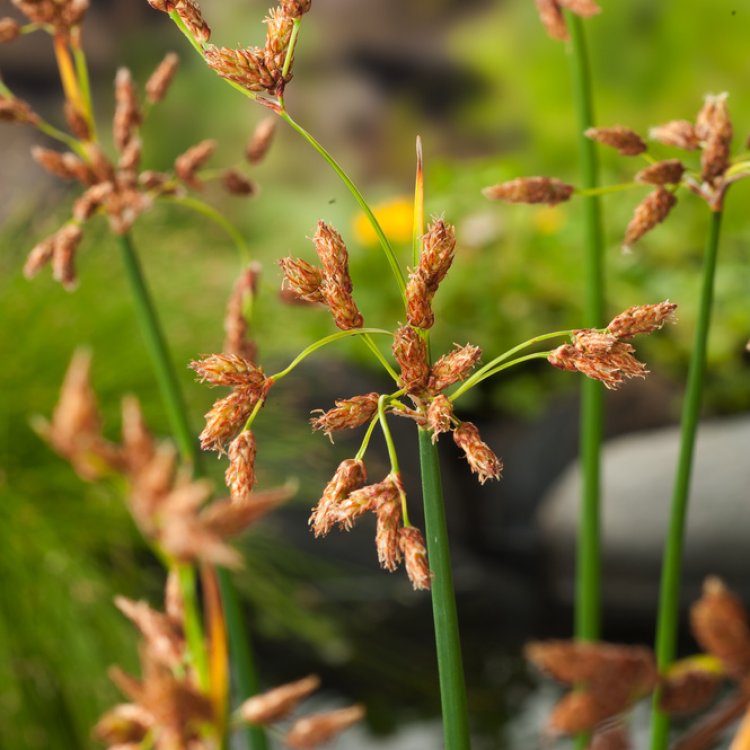
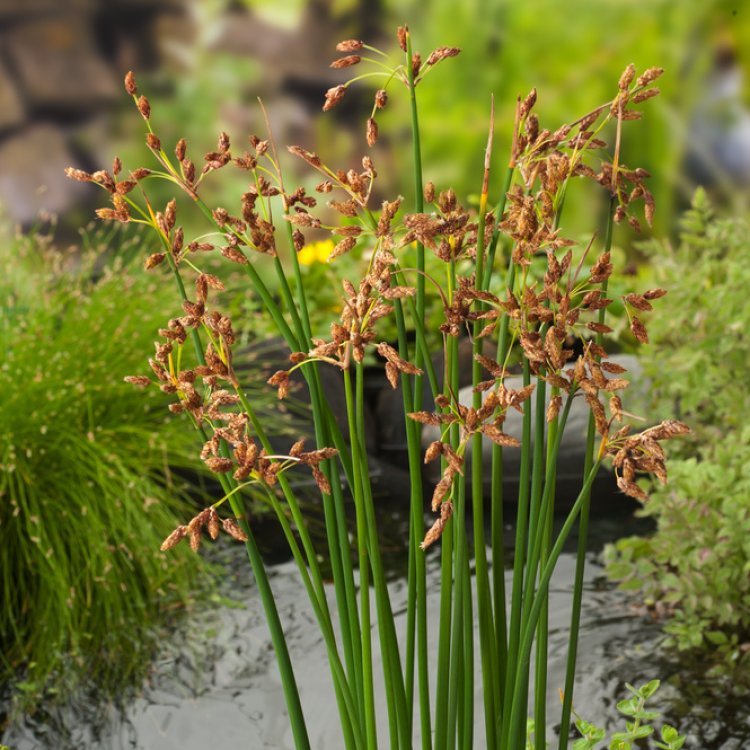
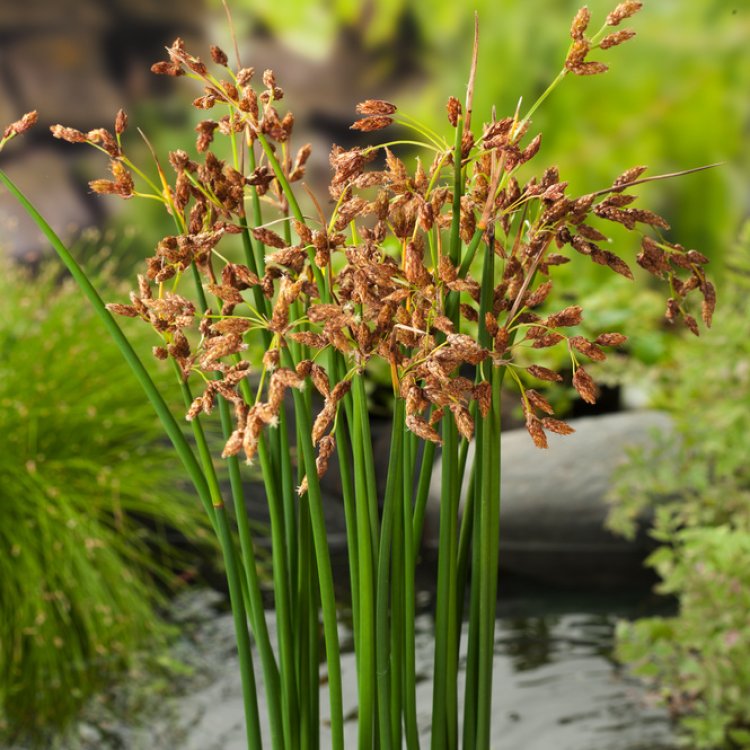
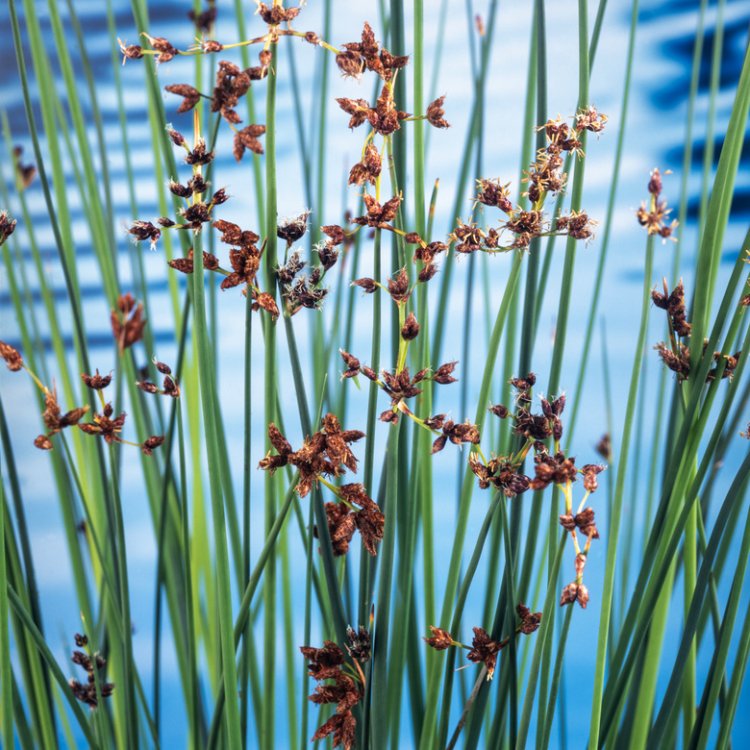
Schoenoplectus lacustris, belonging to the Cyperaceae family, presents a striking appearance with its unbranched, dark green, cylindrical stems. These stems are hollow, reaching impressive heights of up to 2.5 metres. The plant’s Latin name, lacustris, literally means “of lakes,” clearly referencing its preferred aquatic habitat. It is a vigorous, rhizomatous perennial, meaning it spreads underground to form dense colonies over time.
While often perceived as having no true leaves, the stems themselves perform photosynthesis. Small, scale-like leaves are found at the base. In summer, typically from June through to August, the plant produces inconspicuous clusters of brownish flower spikes. These appear just below the tip of each stem, adding subtle texture rather than bold colour. These modest flowers eventually develop into small nut-like fruits, further contributing to the plant’s ecological value.
This versatile aquatic plant excels in various garden roles. It is an ideal choice for the margins of garden ponds or natural swimming pools. Furthermore, it thrives in boggy areas where consistent moisture is present. Its strong vertical lines contrast beautifully with broader-leaved aquatic plants, crafting a dynamic waterside scene. Moreover, Common Club-rush effectively helps to stabilise pond banks, preventing erosion. It also offers excellent screening, useful for disguising pond edges or creating a sense of enclosure.
Schoenoplectus lacustris is highly beneficial for local wildlife. Its dense growth provides essential shelter for frogs, newts, and other amphibians. Furthermore, aquatic insects find refuge among the stems, creating a food source for birds and other creatures. Certain bird species also use the strong stems for nesting material. Regarding pruning, simply cut back old or dead stems. Do this to just above water level in late autumn or early spring. This encourages fresh new growth and maintains a tidy appearance. Always consider the plant’s spread and divide clumps if they become too expansive for your space.
Very hardy. Tolerates temperatures typical of a continental winter.