£7.92 – £9.34Price range: £7.92 through £9.34
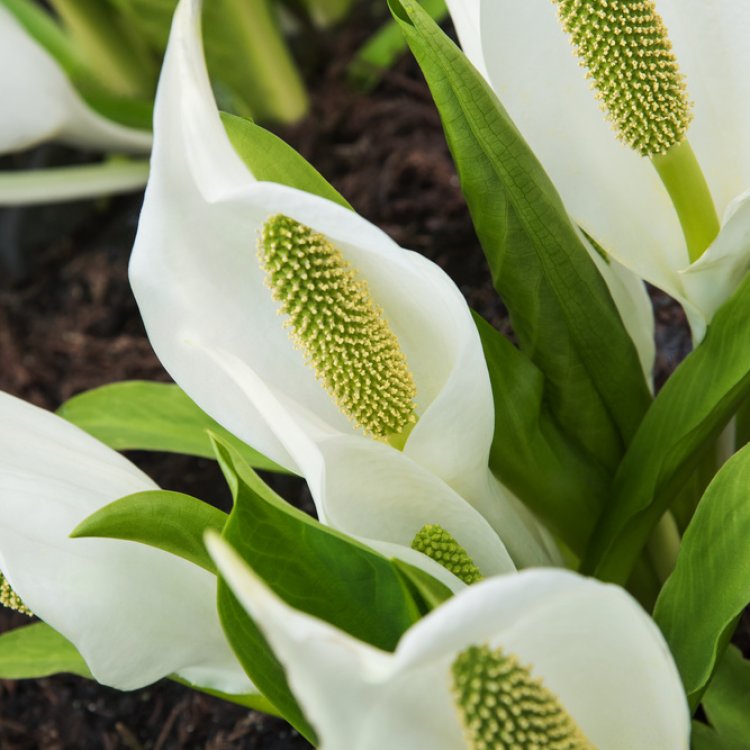
Lysichiton camtschatcensis, the White Skunk Cabbage, creates dramatic early spring impact with its bright white flowers and huge, lush green leaves. Perfect for bog gardens or damp, shady borders, this architectural perennial thrives in consistently wet soil, adding bold structure.
273 in stock
Discover Lysichiton camtschatcensis, the majestic White Skunk Cabbage, an architectural perennial bringing dramatic early spring beauty and lush foliage to damp UK gardens.
Lysichiton camtschatcensis is a truly striking plant, renowned for its spectacular early spring display. Before its large leaves fully emerge, impressive white or creamy-yellow spathes unfurl, creating a focal point in any bog garden or waterside setting. This robust perennial thrives in consistently moist to wet soil, making it ideal for difficult damp areas. Its bold form and vibrant early colour make it a compelling choice for gardeners seeking an unusual yet captivating specimen. Indeed, it offers a distinctive charm rarely found in other plants.
Lysichiton camtschatcensis originates from marshy areas across Northeast Asia and North America. Its botanical name offers insight; “Lysichiton” comes from Greek words meaning “loosening tunic,” which describes how its flower bract (spathe) unfurls. Furthermore, “camtschatcensis” directly refers to the Kamchatka Peninsula, a significant part of its native range. In the UK, it is commonly known as White Skunk Cabbage or sometimes Asian Skunk Cabbage due to its origins and distinctive aroma.
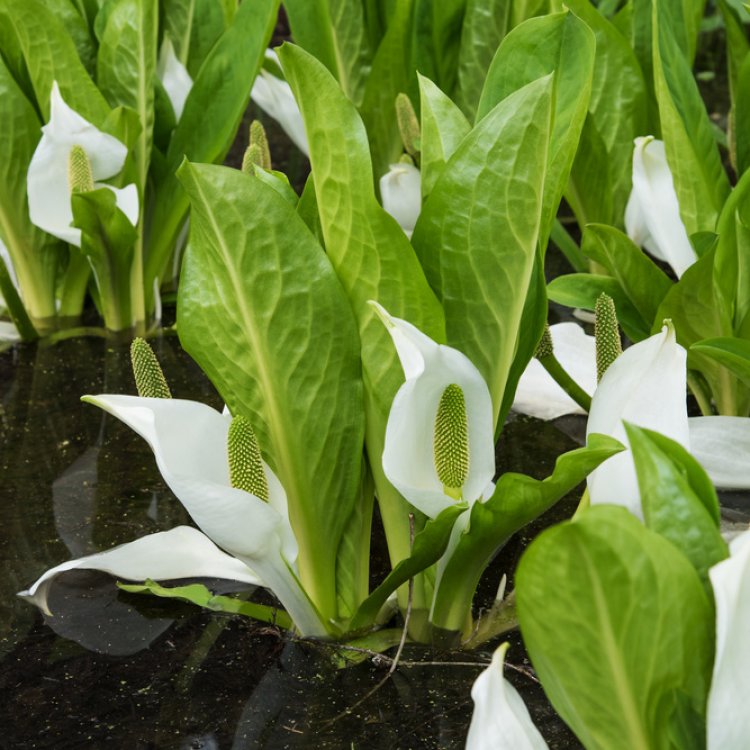
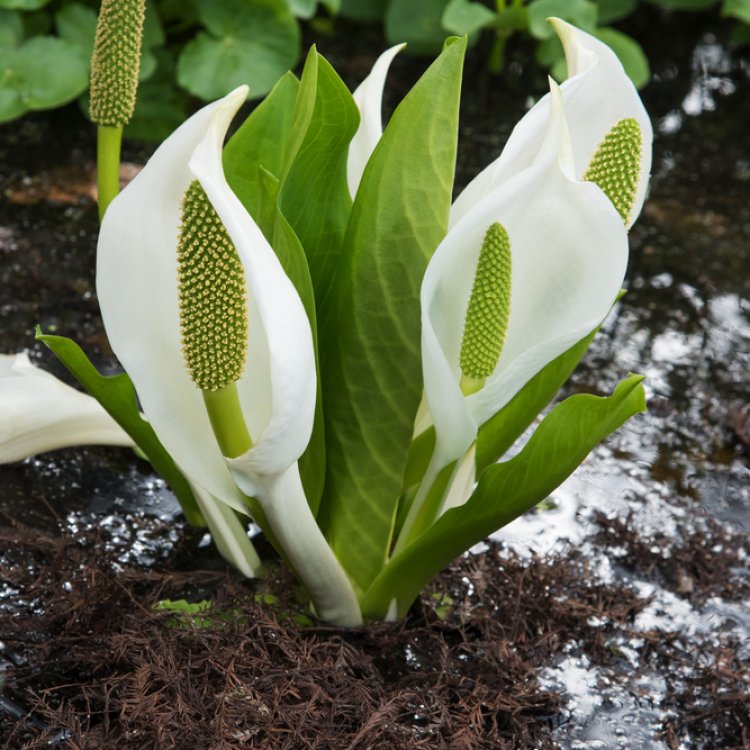
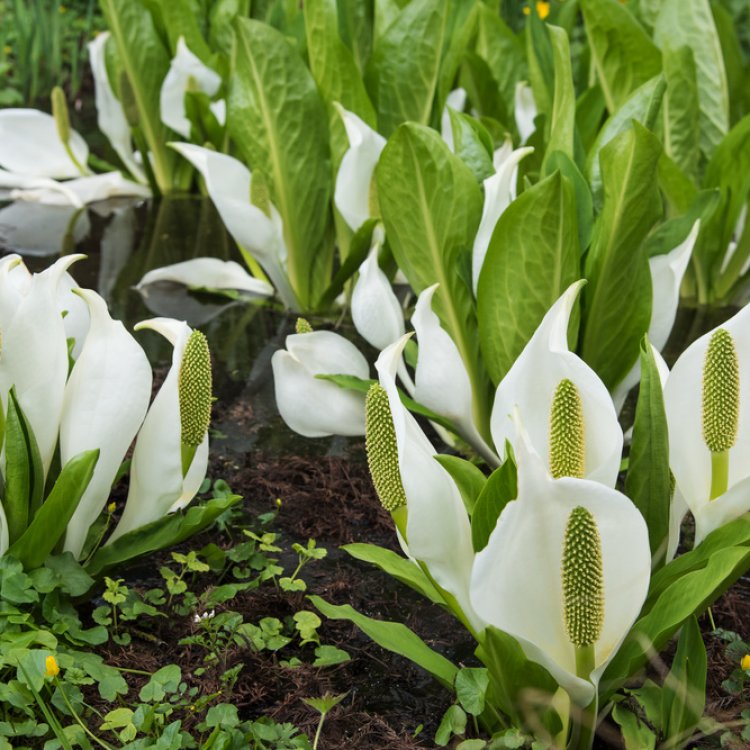
In early spring, typically from March to April, Lysichiton camtschatcensis produces its most famous feature. A brilliant white or creamy-yellow spathe emerges, elegantly wrapping around a central spadix. This spadix contains the true flowers. This striking floral display is often one of the first signs of spring in a wet garden. Moreover, these blooms emit a peculiar scent. This aroma attracts early pollinating insects like flies and beetles. Following the flowers, the plant develops enormous, glossy green, paddle-shaped leaves. These can grow over a metre long, creating a lush, almost tropical appearance that lasts throughout summer.
This magnificent plant demands specific conditions to flourish. It prefers consistently wet or boggy soil. This makes it perfect for pond edges, stream banks, or dedicated bog gardens. Gardeners often place Lysichiton camtschatcensis in partial or dappled shade. However, it tolerates full sun if the soil remains constantly saturated. Its grand scale and impressive foliage naturally create a dramatic focal point. Furthermore, it beautifully complements other moisture-loving plants. Minimal pruning is required. Simply remove any dead or faded leaves and spent flower spathes to maintain a tidy appearance.
Lysichiton camtschatcensis offers more than just visual appeal. The unusual scent produced by its early spring flowers serves an important ecological role. This aroma attracts crucial early-season pollinators. Various flies and beetles visit when other nectar sources are scarce. Consequently, it supports local wildlife at a vital time of year. This plant truly embodies nature’s ingenious designs. Understanding its natural behaviours helps gardeners appreciate its unique contribution to biodiversity.
Very hardy. Tolerates temperatures typical of a continental winter.
Lysichiton camtschatcensis thrives with minimal intervention once established. Ensure consistently wet to boggy soil, especially during dry spells, as it does not tolerate drying out. It prefers partial to full shade, but can manage full sun if the soil moisture is maintained. Remove any old or yellowing leaves after winter, and spent flower spathes, to keep the plant tidy and promote fresh growth. Slugs and snails may target young emerging leaves; monitor and protect as needed. Divide congested clumps every few years in spring to maintain vigour.