£3.02 – £4.43Price range: £3.02 through £4.43
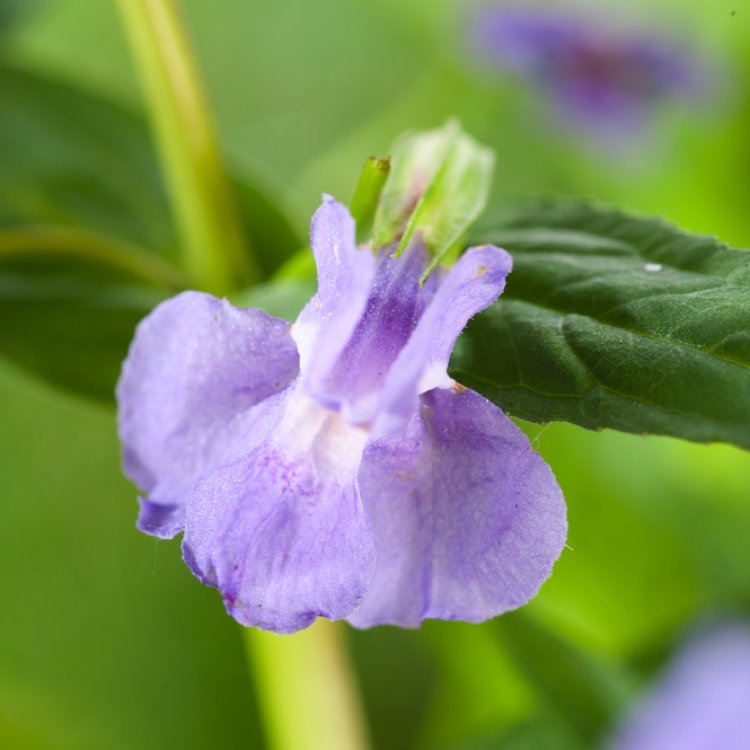
Mimulus ringens is a robust herbaceous perennial thriving in damp UK garden conditions. Its vibrant purple-blue, monkey-face flowers bloom from mid-summer, attracting bees and butterflies. Ideal for bog gardens or pond edges, this charming plant brings lasting colour.
264 in stock
Explore the vibrant charm of Mimulus ringens, an enchanting wetland perennial bringing splashes of purple-blue colour to your UK garden.
Mimulus ringens is a robust herbaceous perennial, often admired for its distinctive blooms. This striking plant thrives in damp conditions, making it an excellent choice for bog gardens, pond margins, or areas with consistently moist soil. Originating from North America, it has adapted well to various temperate climates, including those found across the United Kingdom. Its upright habit and prolonged flowering season offer lasting beauty, drawing the eye with its unique floral display throughout the warmer months.
This captivating plant, Mimulus ringens, is a member of the Phrymaceae family. Its name, ‘Mimulus’, stems from the Latin word ‘mimus’, meaning ‘mimic actor’. This charming reference points to the flowers’ amusing resemblance to a monkey’s face. The specific epithet, ‘ringens’, is also Latin, translating to ‘gaping’ or ‘grinning’. This further describes the flower’s distinctively open, two-lipped structure. Therefore, this botanical naming perfectly captures the playful nature of its blooms.
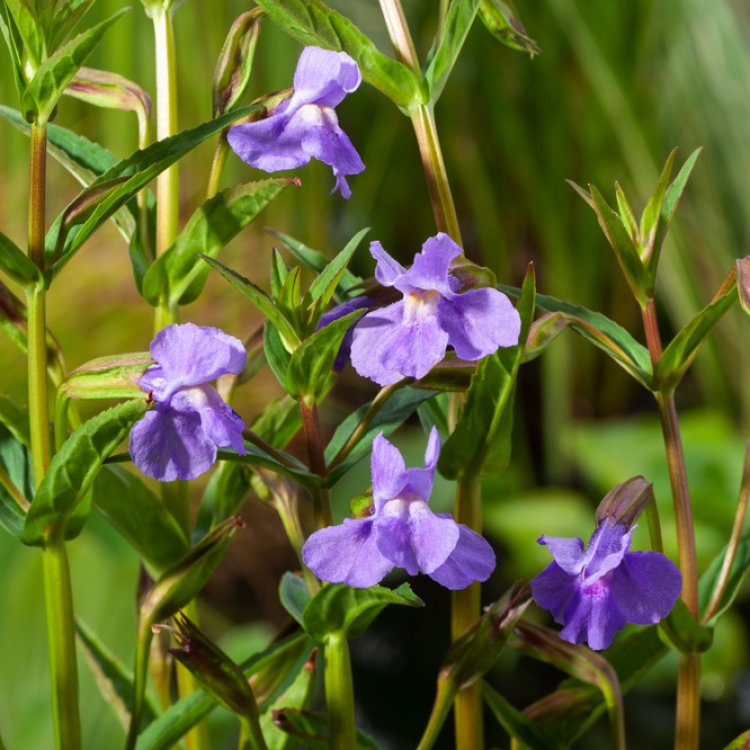
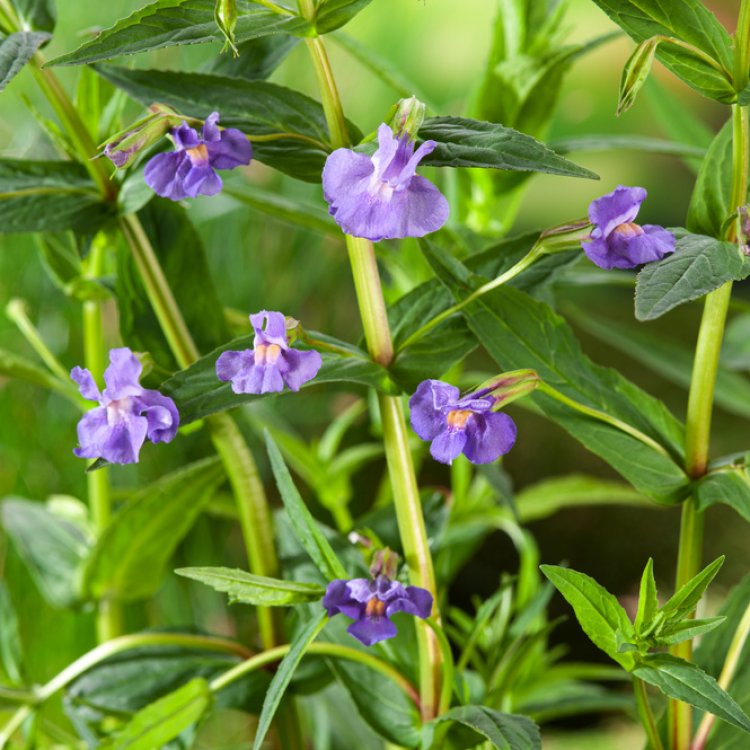
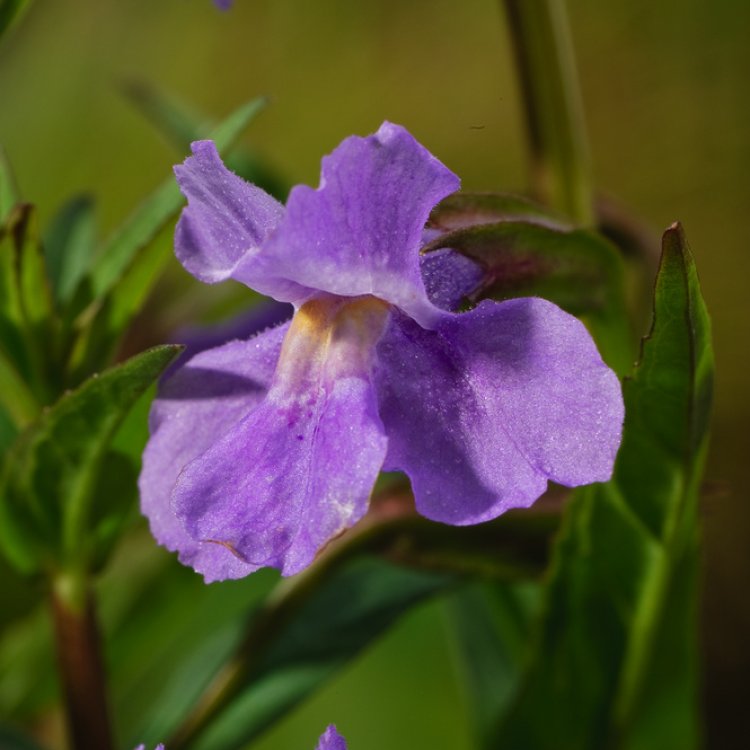
Mimulus ringens produces an abundance of trumpet-shaped, purple-blue flowers, often marked with vibrant yellow or white in their throats, sometimes speckled with reddish-brown dots. These charming blossoms appear on tall, square stems, creating an eye-catching display. The flowering period typically extends from mid-summer into early autumn, ensuring a prolonged season of interest.
Its foliage comprises attractive, lance-shaped, bright green leaves arranged oppositely along the stems. These leaves provide a lush backdrop for the colourful flowers, maintaining garden appeal even when the plant is not in full bloom.
Mimulus ringens is exceptionally well-suited for gardens with moist or wet areas. Consequently, it excels when planted at the edges of ponds or streams, where its roots can remain consistently hydrated. It also flourishes in bog gardens, rain gardens, or damp borders, naturally enhancing these specific environments.
This plant’s upright form adds vertical interest to planting schemes. Therefore, it creates a pleasing contrast with lower-growing flora. Its ability to tolerate varying sun exposures, provided soil moisture is adequate, makes it a versatile choice for many gardeners.
Cultivating Mimulus ringens actively supports local wildlife. Its nectar-rich flowers are particularly appealing to a variety of pollinators. Bees diligently visit the blooms, collecting pollen and nectar. Butterflies, likewise, are drawn to the vibrant colours, fluttering amongst the flowers and aiding in pollination. By incorporating Mimulus ringens into your garden, you consequently contribute to the biodiversity of your outdoor space, offering essential food sources for these important garden visitors. Minimal pruning is typically required; simply deadhead spent flowers to encourage further blooming and maintain a tidy appearance.
Very hardy. Tolerates temperatures typical of a continental winter.