£3.02 – £4.43Price range: £3.02 through £4.43
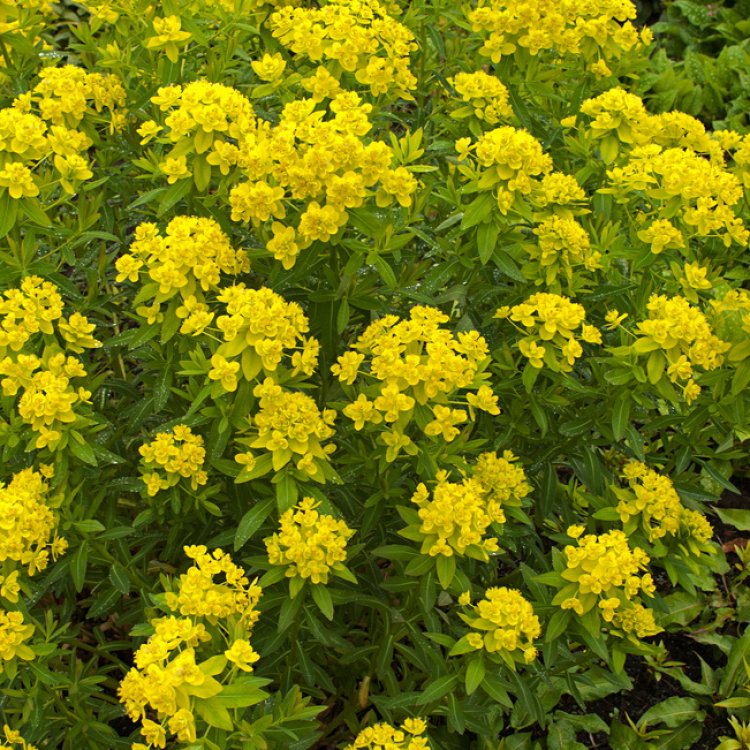
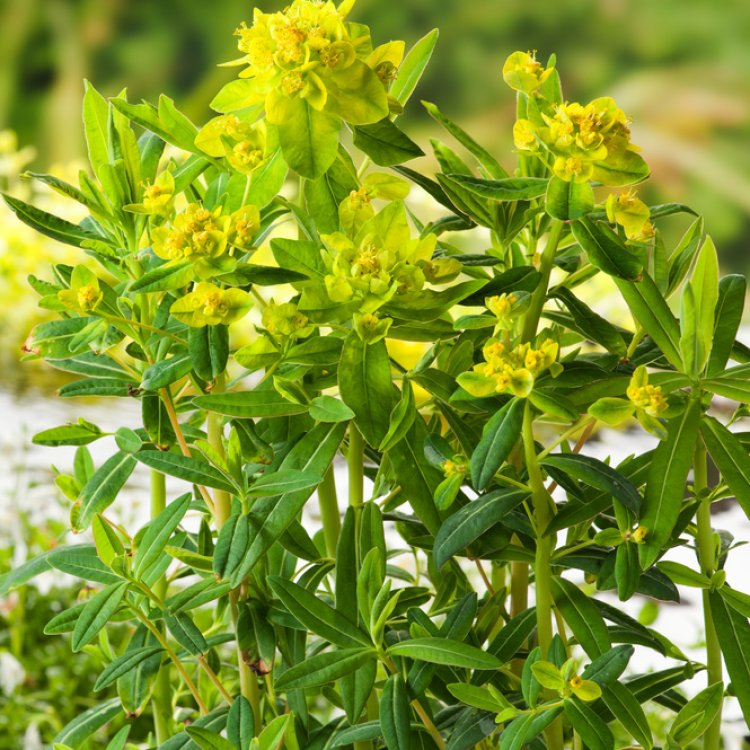
Euphorbia palustris, or Marsh Spurge, is a vibrant perennial ideal for UK gardens, boasting brilliant golden-yellow blooms from May to July. It thrives in moist areas, attracts bees, and adds stunning architectural interest with its upright habit.
105 in stock
Euphorbia palustris, commonly known as Marsh Spurge, brings vibrant, long-lasting golden-yellow blooms to UK gardens, illuminating damp borders and pond edges with ease.
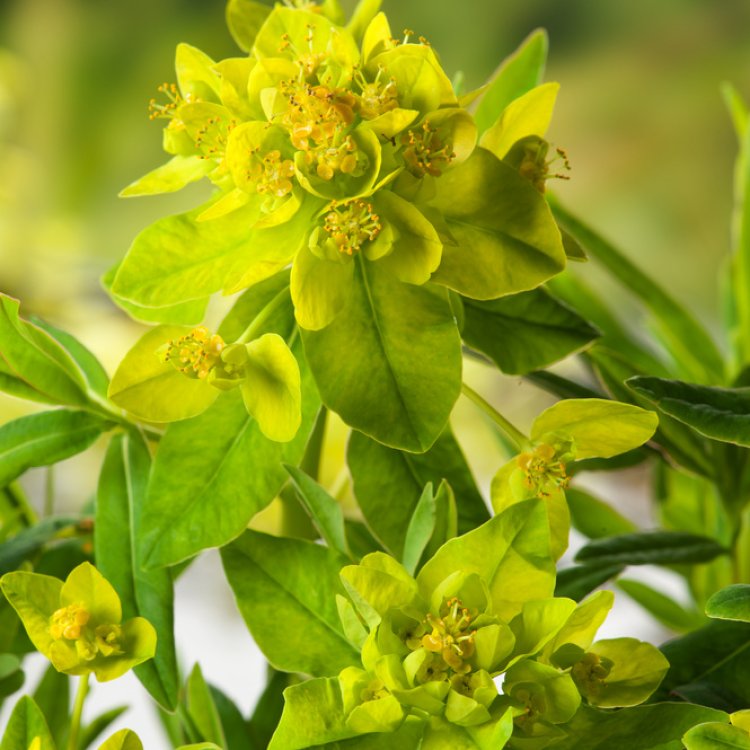
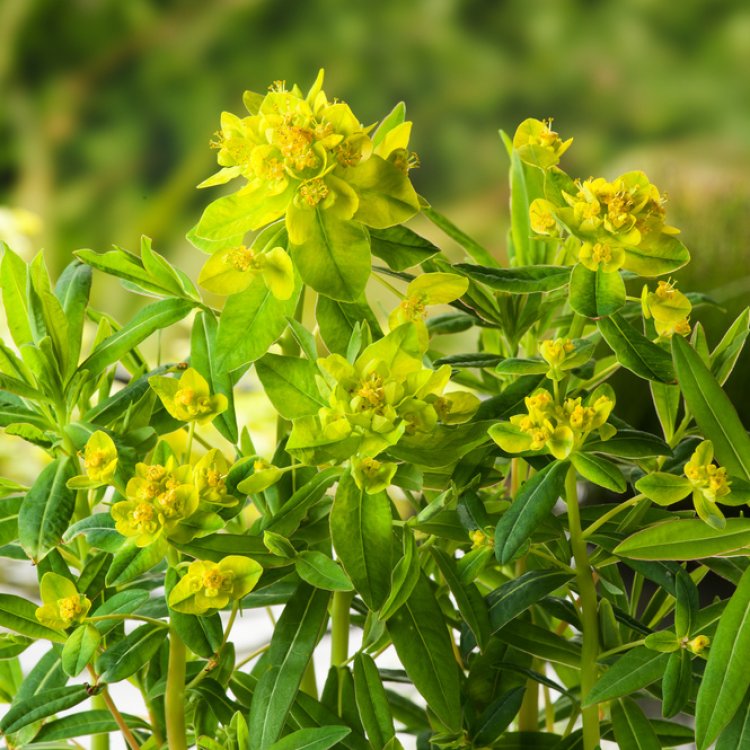
Discover the striking beauty of Euphorbia palustris, a robust perennial thriving in boggy or moist conditions. This adaptable plant is celebrated for its brilliant, lime-green to golden-yellow bracts. They provide a spectacular splash of colour throughout late spring and early summer. It creates an impactful display, making it a superb choice for adding architectural interest. Its upright, bushy habit ensures a captivating presence in waterside plantings or damp garden spots.
This vigorous herbaceous perennial, also known as Marsh Spurge, belongs to the diverse Euphorbia genus. Its name, palustris, originates from Latin, meaning ‘of marshes’. This clearly indicates its preference for damp environments. In UK gardens, it stands out as a superb choice for areas where many other plants might struggle.
Euphorbia palustris produces striking foliage, initially a fresh green that often develops a reddish tint in autumn. This provides extended seasonal appeal. However, the true spectacle lies in its vibrant flower-like bracts. These distinctive golden-yellow structures appear from late spring, typically May, and continue through early summer, often until July. These bright, almost luminous, blooms sit atop sturdy stems, creating a bold, cheerful statement.
Marsh Spurge is wonderfully versatile for UK garden settings. It excels when planted alongside ponds, streams, or in a rain garden. Here, its love for moisture can be fully satisfied. Moreover, it is an excellent plant for the middle or back of a damp border. It offers a strong vertical accent.
The radiant blooms are a haven for local wildlife. They are especially appealing to bees, which visit frequently to collect nectar. This supports essential pollinator populations within your garden ecosystem.
To encourage a tidy habit and prevent prolific self-seeding, cut back the spent flower stems of Euphorbia palustris after flowering. In late autumn or early winter, once foliage fades, cut the entire plant back to ground level. This practice rejuvenates the plant, ensuring a strong display next spring. Always wear gloves when handling Marsh Spurge, as its milky sap can irritate skin.
Hardy in the harshest UK conditions and below. Suitable for mountain regions.
Euphorbia palustris thrives in consistently moist, well-drained soil. Water regularly, especially during dry spells, to maintain soil moisture. An annual feed with a balanced fertiliser in spring will encourage strong growth and flowering. After the vibrant golden-yellow bracts fade in summer, cut back the spent flower stems to prevent unwanted self-seeding. In late autumn or early winter, once the foliage begins to die back, cut the entire plant down to ground level. This promotes vigorous new growth in spring. Remember to wear protective gloves and eyewear when pruning due to the irritant milky sap.