£4.18 – £4.90Price range: £4.18 through £4.90
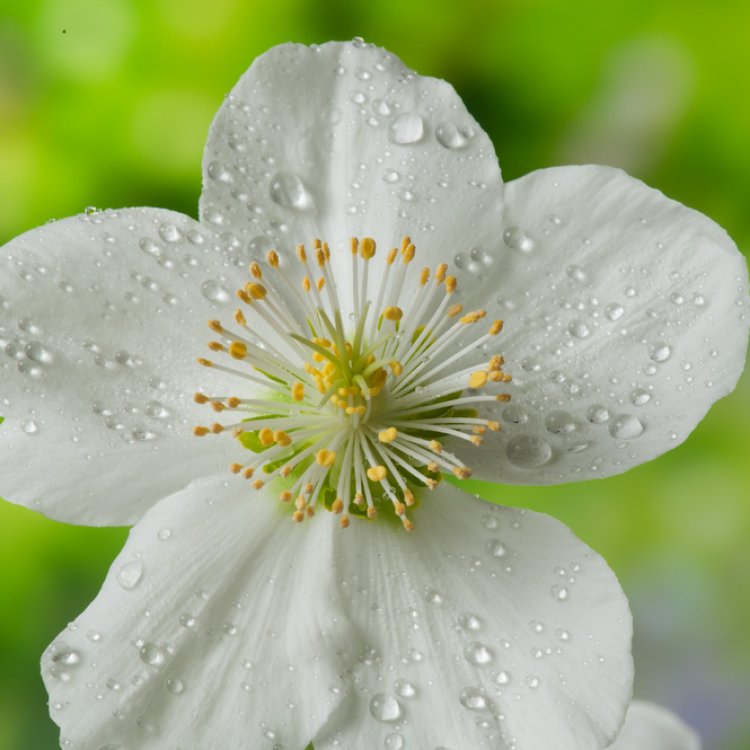
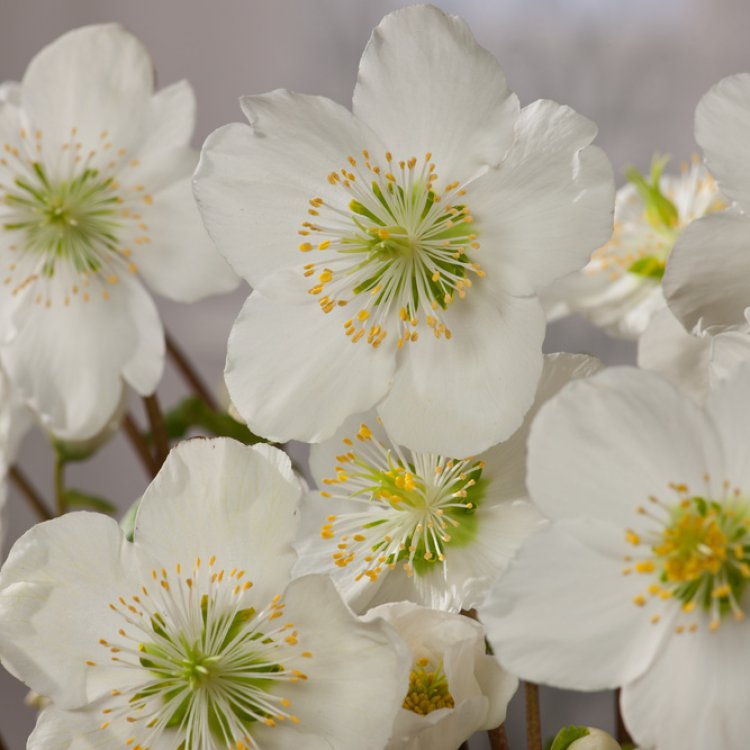
Helleborus niger, the Christmas Rose, brightens UK gardens with elegant pure white flowers from December to March. This hardy, evergreen perennial thrives in shade, offering vital early nectar for bees and year-round foliage. A treasured winter beauty.
134 in stock
Helleborus niger, the beloved Christmas Rose, brings timeless elegance to UK gardens, a cherished winter-flowering perennial for seasonal joy.
As winter tightens its grip, Helleborus niger emerges as a beacon of hope in the garden. This remarkable perennial unfurls its pristine blooms when most plants slumber. It offers a much-needed splash of colour and life during the colder months. Gardeners across the UK value its enduring charm. This makes it a treasured addition to any border or container display.
Key Features of Helleborus niger:
Helleborus niger is truly a plant of distinction. Its common name, the Christmas Rose, hints at its primary appeal. It frequently produces its exquisite flowers around the festive season. The botanical name also tells a story. ‘Helleborus’ comes from Greek, referring to its medicinal or toxic properties. Furthermore, ‘niger’ is Latin for black, which describes the plant’s dark roots. This unique characteristic helps distinguish it.
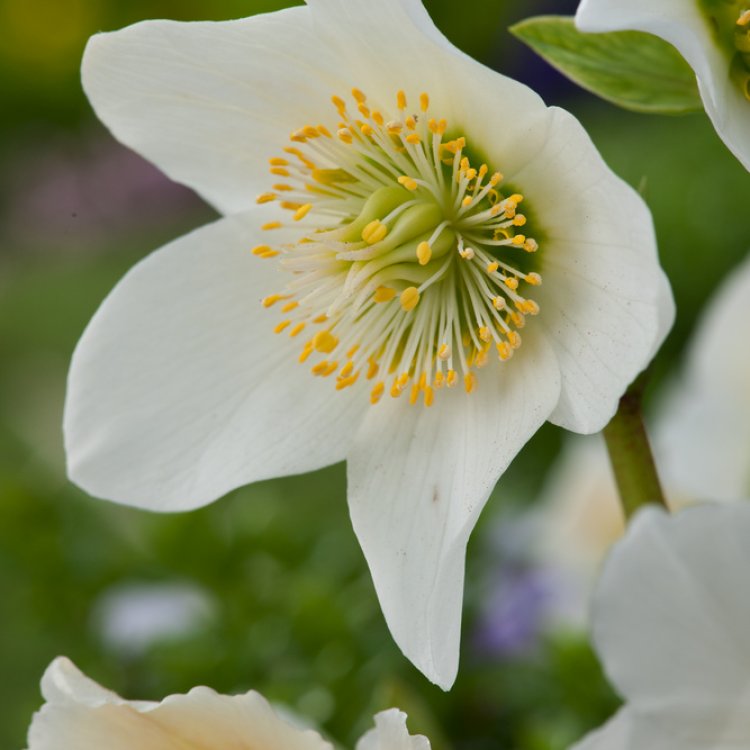
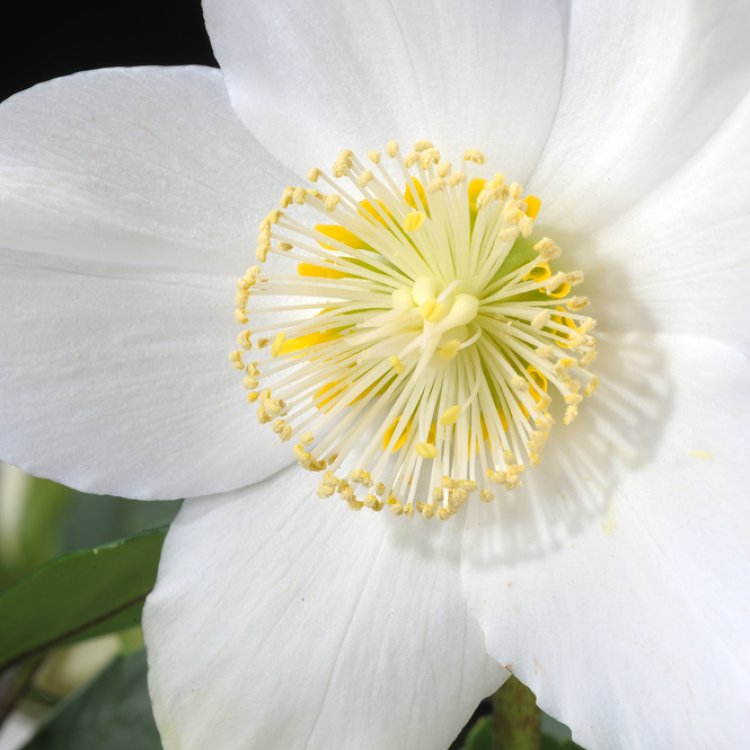
The pure white, outward-facing flowers of Helleborus niger are simply captivating. They often feature a delicate flush of pink or green as they mature. Each bloom measures several centimetres across. Moreover, they stand proudly above the foliage. These flowers create a stunning contrast with the plant’s deeply lobed, leathery leaves. These leaves are a vibrant dark green. They provide robust, evergreen structure throughout the entire year. Therefore, Helleborus niger delivers consistent visual appeal, even when not in bloom.
This wonderful plant excels in many garden situations. It is perfect for brightening shaded borders. You can plant it beneath deciduous trees or large shrubs. Here, Helleborus niger will flourish, bringing light to darker areas. Also, it performs beautifully in containers. Place them near your front door or on a patio. This allows you to admire its winter beauty up close. The plant’s compact habit makes it suitable for edging pathways. It also works well in rock gardens. Its presence enriches any winter landscape.
Helleborus niger is a valuable asset for local wildlife. Its early flowers offer a crucial food source for hungry bees. These essential pollinators emerge on milder winter days. They actively seek nectar and pollen. Fortunately, Helleborus niger requires minimal pruning. You should simply remove any old, damaged, or diseased leaves. Do this in late autumn or early winter. This practice improves air circulation. It also helps to prevent leaf spot. Consequently, this enhances the plant’s overall health and appearance. The plants generally maintain an attractive shape naturally.
Hardy in the harshest UK conditions and below. Suitable for mountain regions.
Helleborus niger is generally low maintenance. Water regularly, especially during dry spells in its first year and when establishing. Apply a generous mulch of well-rotted compost or manure around the base of the plant in autumn or early spring; this feeds the plant and helps retain soil moisture. Remove old, damaged, or discoloured leaves in late autumn or early winter before new flower buds appear. This practice helps to improve air circulation and showcase the emerging blooms, as well as reducing the risk of fungal diseases like leaf spot. Ensure good drainage, as hellebores dislike sitting in waterlogged soil.