£2.56 – £3.98Price range: £2.56 through £3.98
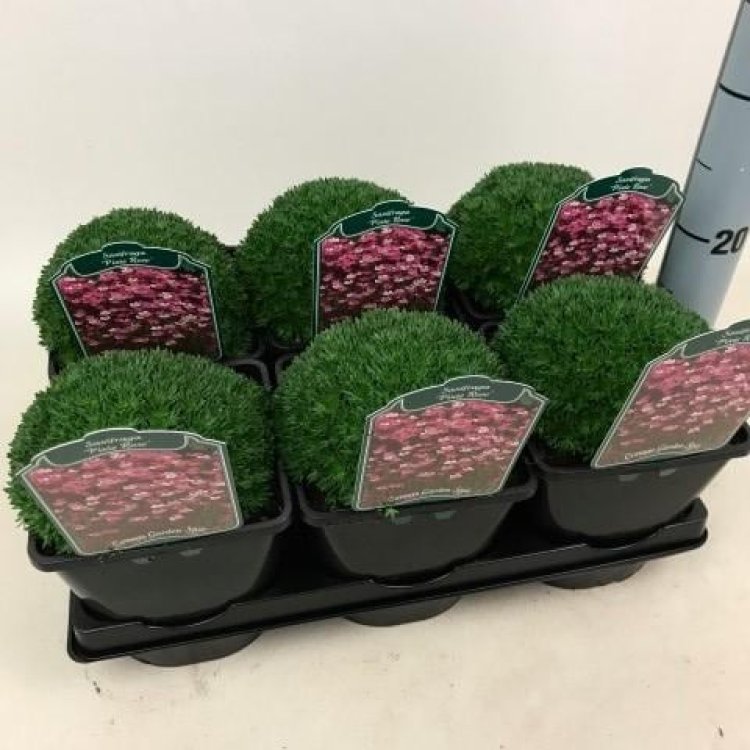
Saxifraga ‘Pixie’ is a charming evergreen perennial, perfect for UK rockeries and borders. It forms neat cushions of foliage, bursting with star-shaped white flowers in early spring, attracting bees. Low-maintenance and hardy.
87 in stock
Discover the delightful Saxifraga ‘Pixie’, a charming evergreen perennial that brings early spring cheer to UK gardens with its vibrant, delicate blooms.
Saxifraga ‘Pixie’ is a wonderful choice for those seeking an easy-to-grow, compact plant. This particular cultivar offers a carpet of neat, green foliage, which remains attractive all year round. In spring, it bursts into a delightful display of small, star-shaped flowers. It thrives in well-drained spots, making it perfect for rockeries, alpine troughs, or the front of borders. Furthermore, this plant is known for its resilience, happily settling into many garden styles.
The name Saxifraga comes from the Latin words “saxum”, meaning rock, and “frangere”, meaning to break. This aptly describes the plant’s natural tendency to grow in cracks and crevices, seemingly breaking rocks apart. The cultivar name ‘Pixie’ suggests its small, charming, almost magical appearance. Consequently, it is a favourite among alpine plant enthusiasts.
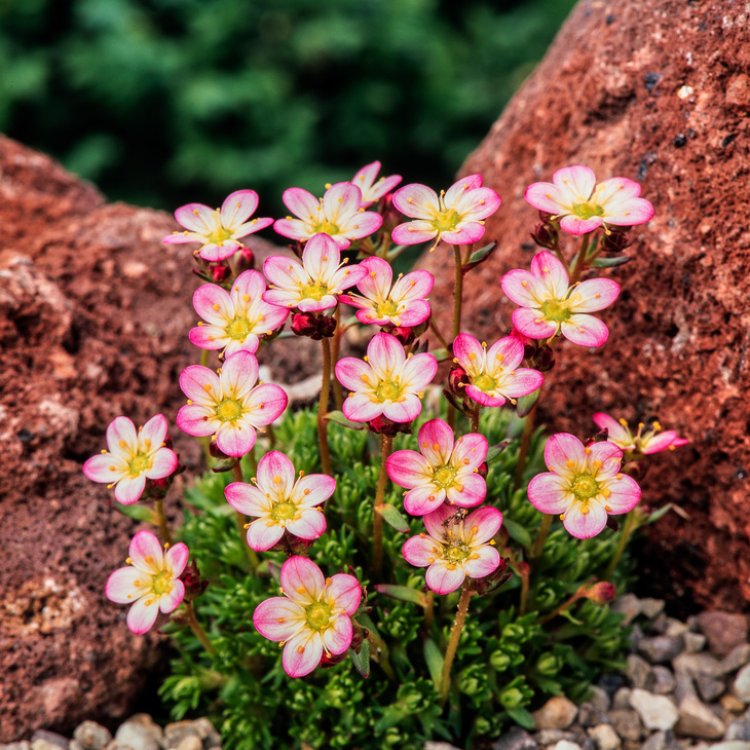
This delightful perennial forms tight, evergreen rosettes of small, neat leaves. These rosettes create a dense, moss-like mat, providing year-round interest. As spring arrives, slender stems emerge, each holding clusters of tiny, star-shaped flowers. Often, these blooms are bright white. Sometimes they have a subtle pink flush or a contrasting red eye. This adds a cheerful splash of colour to the early garden.
Saxifraga ‘Pixie’ truly excels in specific garden settings. It is an excellent choice for rock gardens, where its ability to root into crevices is a huge advantage. Moreover, it works beautifully in stone troughs. You can also use it alongside paving or as an edging plant along the front of a border. Its compact habit means it will not overwhelm other plants.
Furthermore, its early flowering period provides a vital food source for early emerging bees and other pollinators. Thus, it contributes positively to local wildlife. This plant needs little in the way of pruning; simply remove any spent flower stems or untidy leaves to maintain its neat appearance.
Hardy in all of the UK and northern Europe. Suitable for exposed sites.