£2.07 – £3.47Price range: £2.07 through £3.47
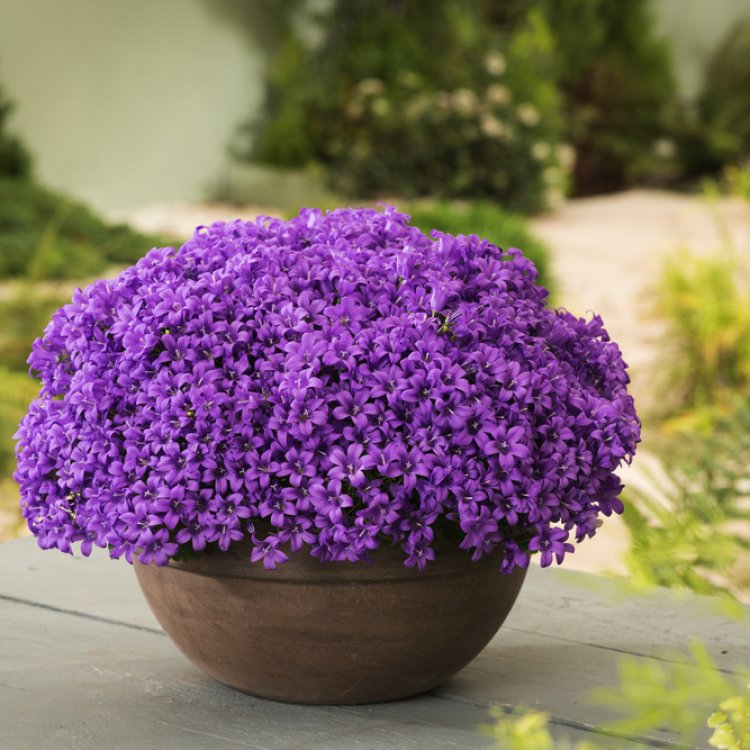
Campanula portenschlagiana, or Dalmatian Bellflower, brings vibrant purple-blue blooms from early summer to autumn. This hardy, mat-forming perennial is perfect for rockeries, edges, or ground cover, actively attracting bees and butterflies to your garden.
114 in stock
Discover Campanula portenschlagiana, a truly delightful perennial bellflower, bringing waves of vibrant purple-blue blooms to your UK garden.
Bring vibrant, lasting colour to your outdoor spaces with Campanula portenschlagiana. This charming herbaceous perennial, also known as Dalmatian Bellflower or Wall Bellflower, creates a beautiful, low-growing carpet of greenery. Originating from the rocky terrains of the Dalmatian Mountains, it thrives in British gardens. Expect an abundance of bell-shaped flowers, adding a touch of Mediterranean charm.
Campanula portenschlagiana, often called Dalmatian Bellflower or Wall Bellflower, truly brightens any garden setting. Its scientific name honours German botanist Franz von Portenschlag-Ledermayer. This robust perennial hails from the rocky coastal regions of Croatia, hence its common name. Gardeners love its vigorous yet tidy growth habit. It forms a lush, evergreen carpet, perfect for various landscape designs.
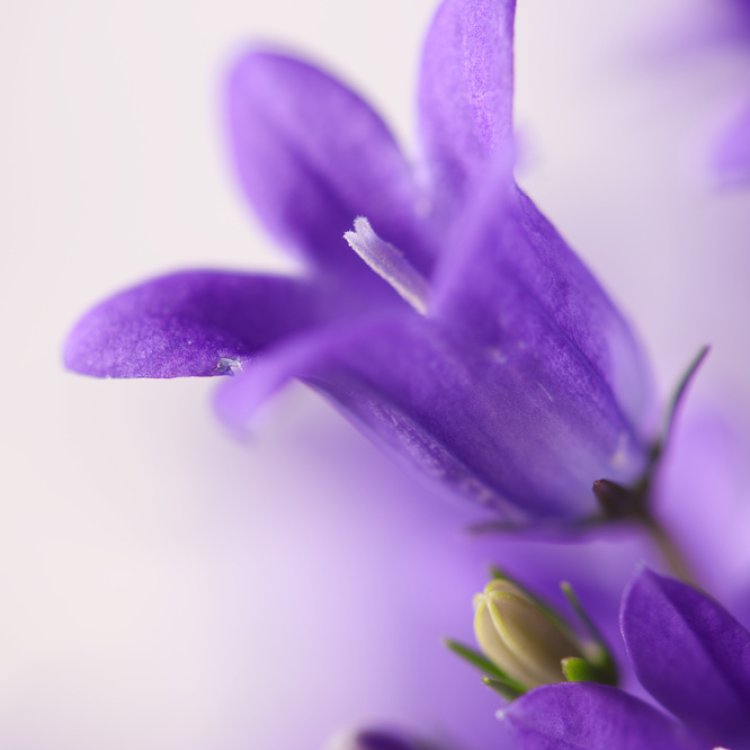
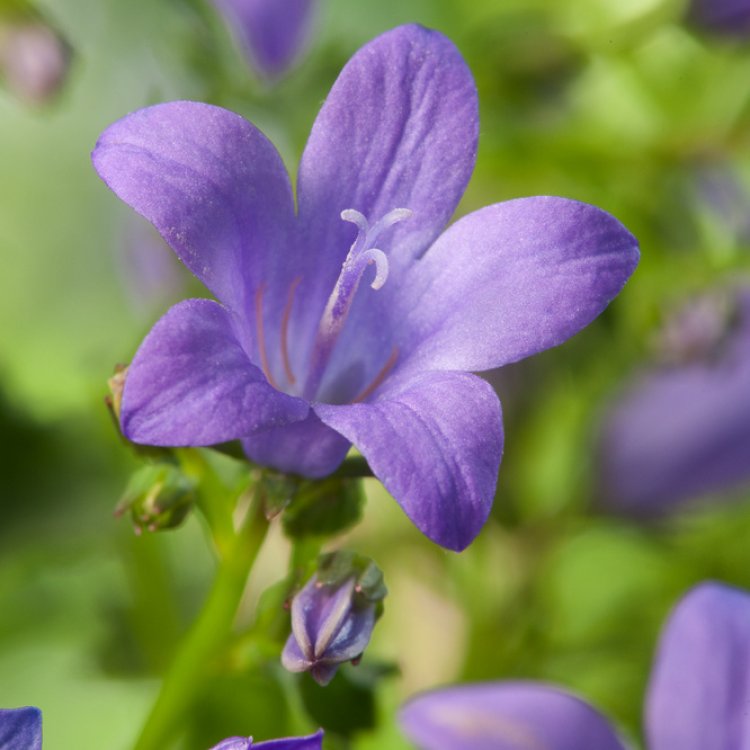
From June right through to September, Campanula portenschlagiana delivers a spectacular display. Numerous small, deep violet-blue, bell-shaped flowers emerge, creating a sea of colour. These charming blooms stand just above its neat, rounded, bright green leaves. The foliage remains verdant all year round in many parts of the UK. This provides continuous interest, even when the plant is not in flower.
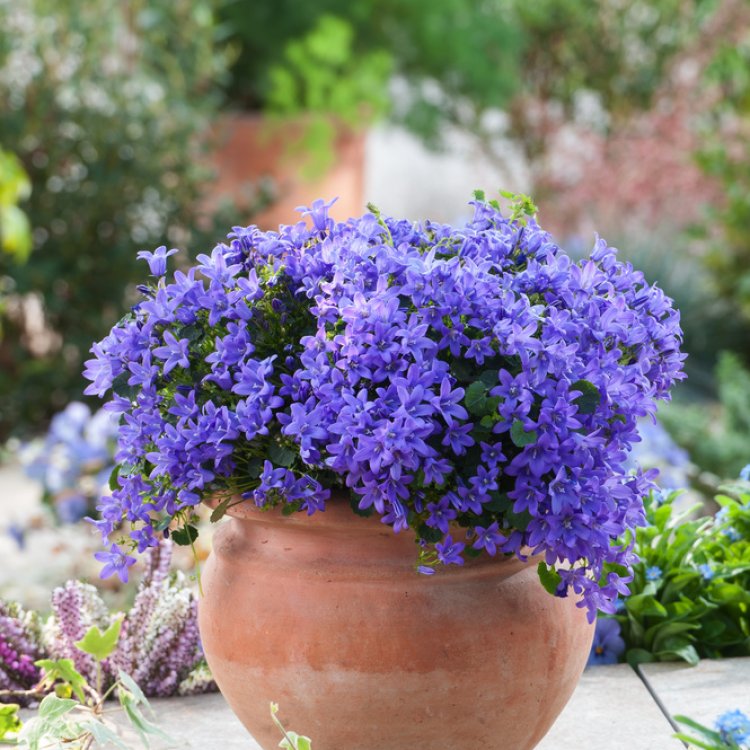
This versatile plant adapts well to many garden roles. It excels as ground cover, quickly filling spaces with its dense growth. Use it to soften hard edges along paths or patios. Many gardeners also plant it in rockeries, allowing it to cascade over stones. Furthermore, it happily thrives in wall crevices, adding beauty to vertical spaces. Its low-maintenance nature makes it a popular choice.
Beyond its beauty, Campanula portenschlagiana plays a valuable ecological role. Its nectar-rich flowers are a magnet for buzzing bees. Butterflies also frequently visit, drawn by the vibrant blooms. By planting this bellflower, you can help support local pollinator populations. This makes your garden a vital pit stop for beneficial insects. Enjoy the gentle hum of wildlife around your flourishing plants.
Maintaining the neat appearance of Campanula portenschlagiana is very simple. After its main flush of flowers, consider a light trim. This encourages fresh new growth and often a second wave of blooms. Cutting back spent flower stems also prevents self-seeding, if you wish to control its spread. This simple task keeps your plant looking its best, year after year.
Hardy in all of the UK and northern Europe. Suitable for exposed sites.
Keep the soil consistently moist during its establishment phase. Deadhead faded flowers regularly to encourage a prolonged blooming period and maintain a neat appearance. Trim back the plant after its main flowering flush to rejuvenate growth and prevent excessive self-seeding, which helps it to retain its desired form.