£4.18 – £4.90Price range: £4.18 through £4.90
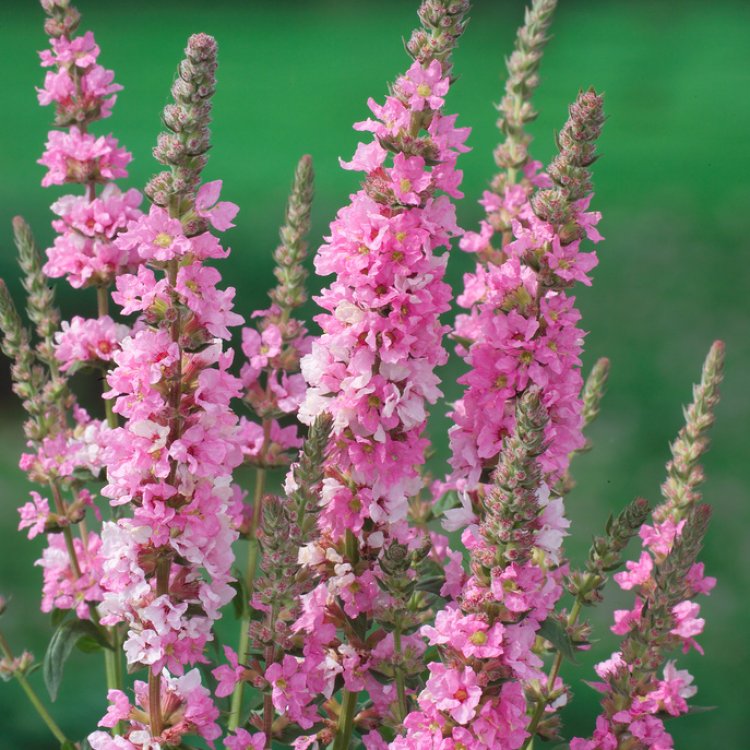
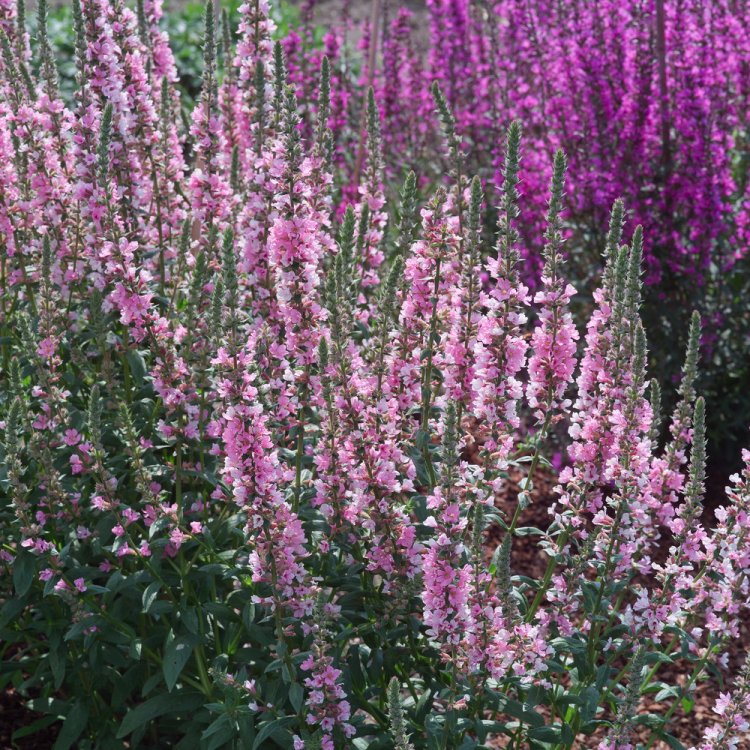
Lythrum salicaria ‘Blush’ is an elegant herbaceous perennial, producing soft pink flower spires from early summer to autumn. Perfect for damp areas, this ‘Blush’ Loosestrife attracts bees and butterflies, adding beauty and life to your UK garden.
1038 in stock
Discover Lythrum salicaria ‘Blush’, an elegant herbaceous perennial bringing soft pink to your UK garden’s dampest areas throughout summer.
Lythrum salicaria ‘Blush’ offers a charming display of delicate colour and structural beauty. This robust perennial, a cultivated variety of native Loosestrife, thrives in moist conditions. It makes an excellent choice for bog gardens, pond edges, or any border with consistently damp soil.
Its slender, upright form and long-lasting blooms create a serene atmosphere. This plant easily blends into cottage garden schemes or naturalised landscapes. Importantly, this cultivar is a favourite among British garden wildlife.
The botanical name, Lythrum salicaria, aptly describes this plant. ‘Lythrum’ comes from the Greek word ‘lythron’, meaning blood, possibly referring to the colour of some species or its traditional use. ‘Salicaria’ relates to ‘Salix’, the willow genus, because its leaves resemble willow leaves.
This particular cultivar, ‘Blush’, accurately describes its beautiful, muted pink floral display. As an herbaceous perennial, it reliably returns each spring. It grows fresh new foliage before sending up its impressive flower spikes. These plants typically grow to around 1.2 metres in height, forming a substantial clump.
Lythrum salicaria ‘Blush’ truly shines when planted in positions that provide ample moisture. Consider it for the margins of a garden pond, where its roots can access consistent dampness without being fully submerged. It also performs brilliantly in bog gardens or any border with heavy, moist soil.
The upright flower spires provide valuable vertical accents. They contrast wonderfully with broad-leaved plants or low-growing groundcovers. Furthermore, its gentle pink tones harmonise with a wide range of other colours in the garden.
This plant is a true asset to wildlife, with its nectar-rich flowers providing a vital food source for many pollinators. Bees and butterflies especially favour its blooms, bringing lively activity to your garden spaces.
Gardeners often find this variety simple to manage. While less invasive than its wild counterpart, deadheading spent flower spikes helps extend the blooming period. It also prevents excessive self-seeding. In late autumn or early spring, cut back the faded stems right to the ground. This tidies the plant and encourages vigorous new growth for the coming season. By following these simple steps, you ensure a stunning display year after year from your Lythrum salicaria ‘Blush’.
Very hardy. Tolerates temperatures typical of a continental winter.
This easy-to-grow perennial thrives in consistently moist soil. Deadhead spent flower spikes regularly to encourage further blooms and prevent excessive self-seeding. In late autumn or early spring, cut back all faded stems close to the ground to promote fresh, vigorous growth for the new season. Ensure it has adequate moisture, especially during dry spells.