£13.52 – £14.22Price range: £13.52 through £14.22
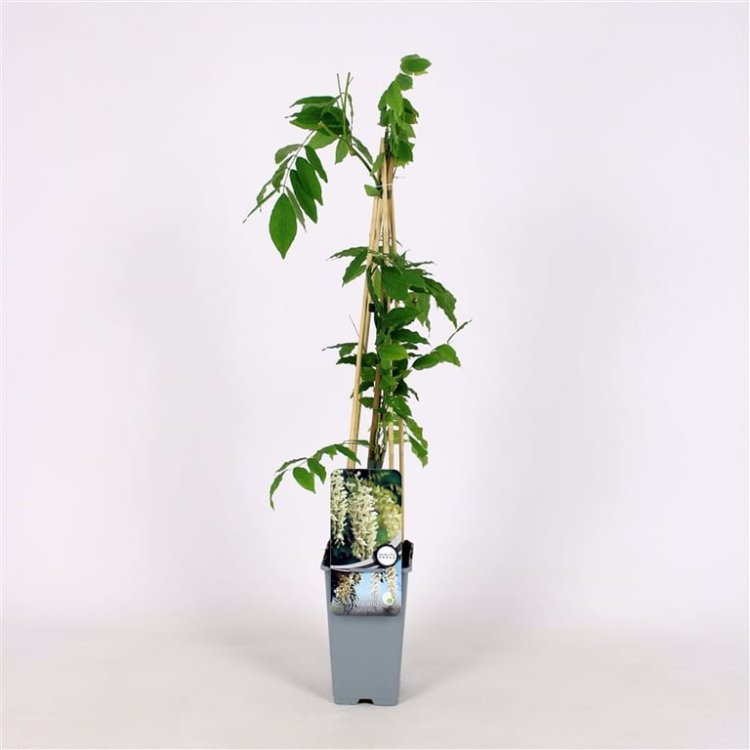
Wisteria sinensis ‘Alba’ is a stunning deciduous climber, displaying glorious cascades of fragrant, pure white flowers in late spring. This vigorous plant beautifully adorns walls and pergolas, creating an elegant and wildlife-friendly feature in any UK garden.
210 in stock
Wisteria sinensis ‘Alba’ is a magnificent deciduous climber, celebrated for its stunning cascades of pure white, fragrant flowers that adorn UK gardens in late spring.
This elegant cultivar of Chinese Wisteria offers a truly spectacular display, transforming walls, pergolas, and arbours into breathtaking floral features. Originating from China, Wisteria has captivated gardeners for centuries, and ‘Alba’ presents a refined, luminous white alternative to the more common purple varieties. Its vigorous growth and abundant blooms make it a highly sought-after plant, creating a serene and sophisticated atmosphere wherever it grows. This plant brings an established feel to any outdoor space.
The cultivar Wisteria sinensis ‘Alba’ is a truly special plant. It is a variant of the Chinese Wisteria, known for its strong growth. The name ‘sinensis’ means “from China,” while ‘Alba’ refers to its white flowers. This plant brings beauty to many UK gardens. Its beauty lies in its long, pendulous flower racemes. These appear in late spring and early summer. Each raceme carries many individual pea-like flowers. These flowers release a delightful scent. This fragrance fills the air, making it a joy to be near.
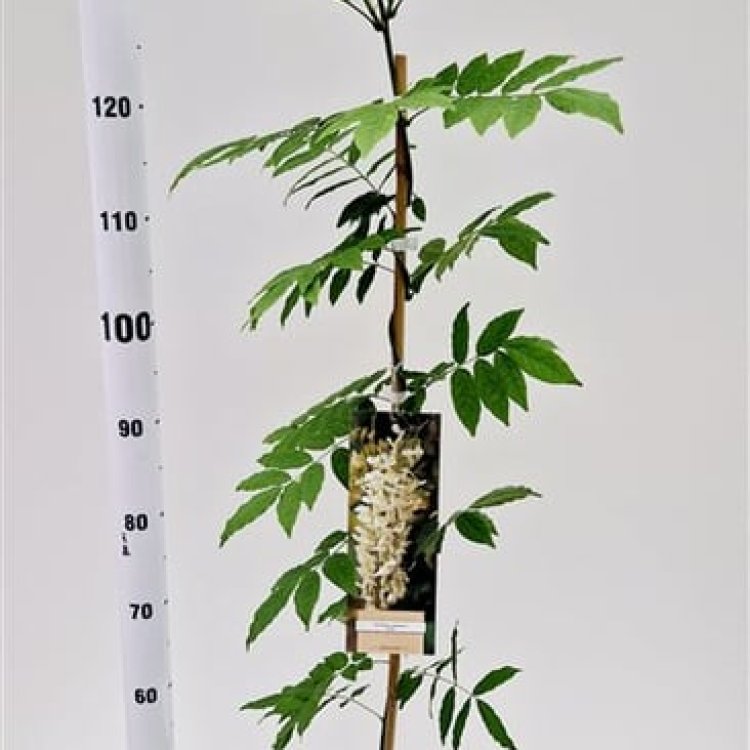
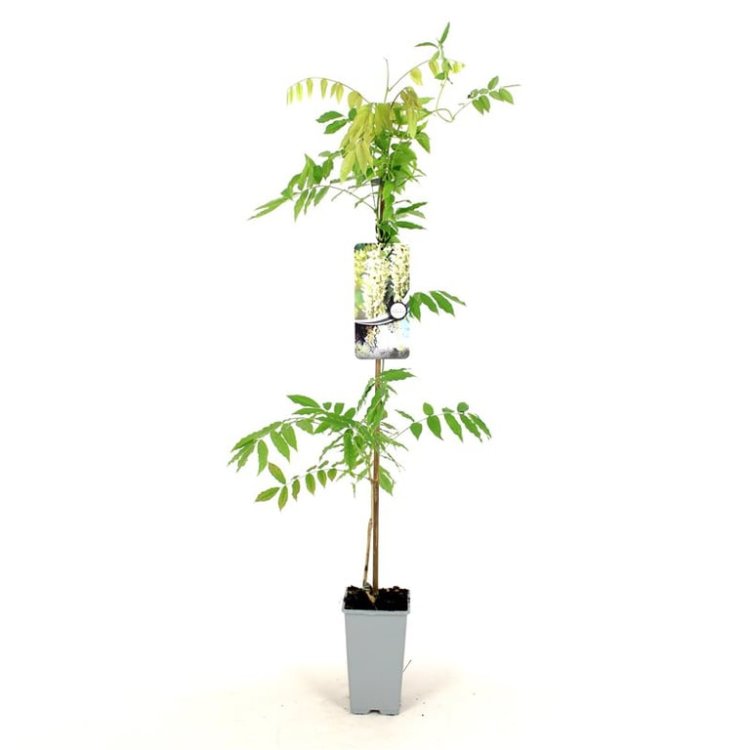
Before the flowers fully open, its fresh green leaves emerge. These leaves are pinnate, meaning they have many leaflets arranged along a central stem. They provide a lovely backdrop for the pure white blooms. As a deciduous plant, Wisteria sinensis ‘Alba’ sheds its leaves in autumn. Then, it reveals a strong, architectural woody framework. This structure is attractive even in winter. The plant climbs by twining its stems around supports. It develops a thick, robust trunk over time.
Gardeners often choose Wisteria sinensis ‘Alba’ for various uses. It is excellent for covering large walls or fences. This climber can also drape over sturdy pergolas, creating a shaded, fragrant walkway. Moreover, it looks stunning when trained along an arbour. Its blooms offer a vital food source for local wildlife. Bees and butterflies visit the flowers frequently. They gather nectar and pollen, supporting garden biodiversity. This makes the plant a valuable addition to a wildlife-friendly garden.
Proper pruning helps Wisteria sinensis ‘Alba’ to flower profusely. Gardeners typically prune this plant twice a year. A winter prune encourages the development of flowering spurs. A summer prune helps to manage its vigorous growth. Shaping the plant through pruning also maintains its desired form. This practice ensures a stunning display each spring. It keeps the plant healthy and productive for many years.
Very hardy. Tolerates temperatures typical of a continental winter.
Prune twice yearly: in winter to create flowering spurs, and in summer to contain growth. Water regularly during dry spells, especially in the first few years after planting. Feed with a high potash fertiliser in spring.
This plant is deciduous so it will lose all of its leaves in the autumn and get fresh new foliage each spring.