£3.02 – £4.43Price range: £3.02 through £4.43
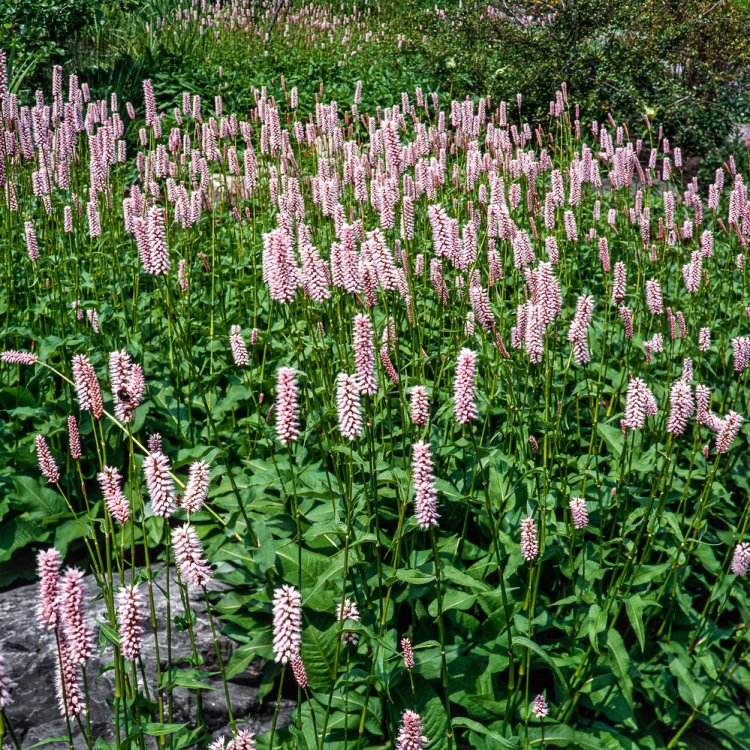
Persicaria bistorta, or Bistort, is a vibrant perennial with striking rose-pink flower spikes from May to August. This robust plant forms lush ground cover, attracting bees and butterflies, making it ideal for UK garden borders and damp spots.
297 in stock
Discover Persicaria bistorta, a robust and attractive perennial bringing vibrant pink flower spikes and lush foliage to your UK garden.
Also known as Bistort or Snakeweed, Persicaria bistorta is a vigorous and reliable plant. Gardeners celebrate its distinctive floral display and appealing green leaves. It originates from moist meadows and woodlands across Europe and Asia. This plant thrives in various conditions, making it a versatile choice for many garden styles.
This enduring plant effortlessly enhances borders. It also naturalises in wilder areas, offering a valuable food source for pollinators throughout its long flowering season.
Persicaria bistorta boasts a fascinating name. ‘Persicaria’ possibly references peach-like leaves. ‘Bistorta’ derives from Latin ‘bis torta’, meaning ‘twice twisted’. This describes its gnarled rootstock. This particular feature contributes to its resilience. It also helps it spread effectively, forming a captivating carpet of foliage.
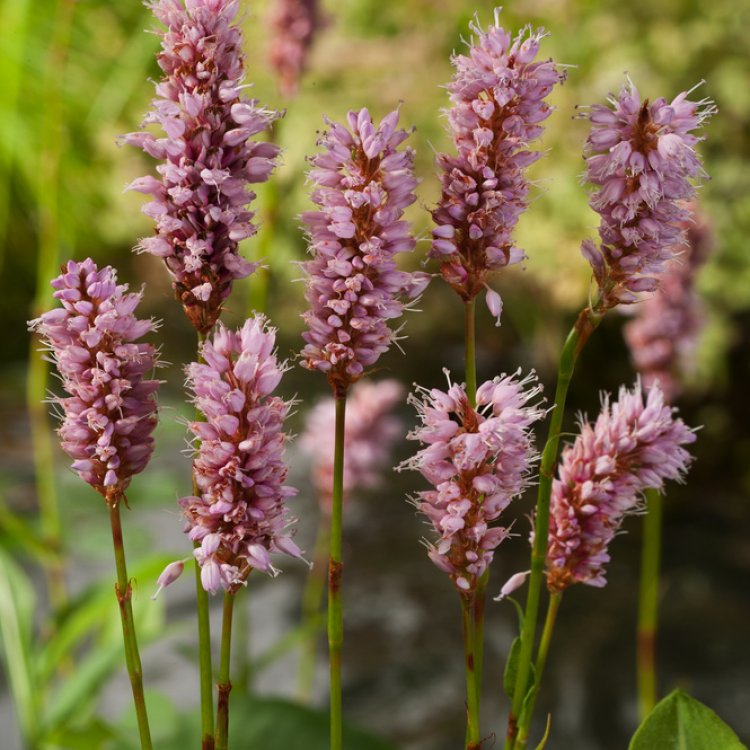
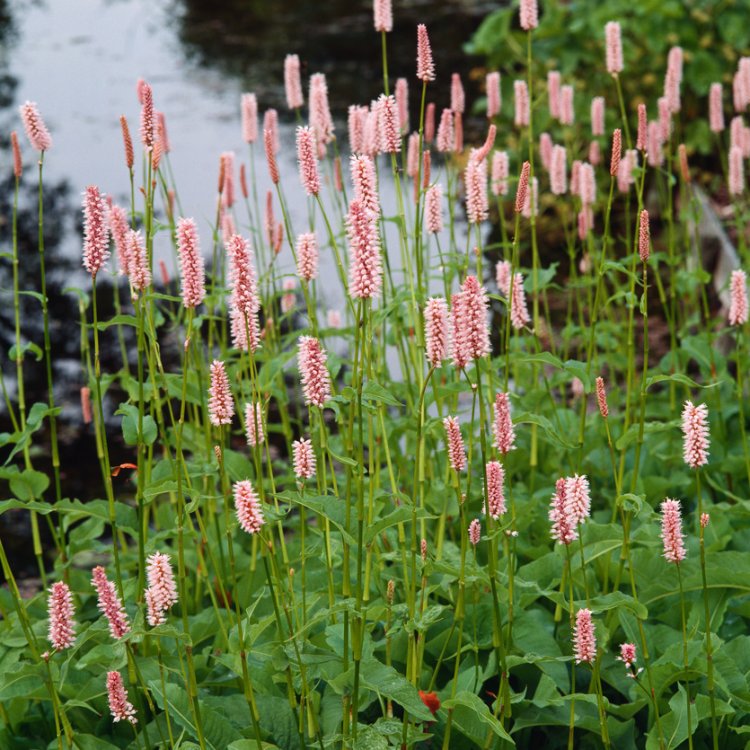
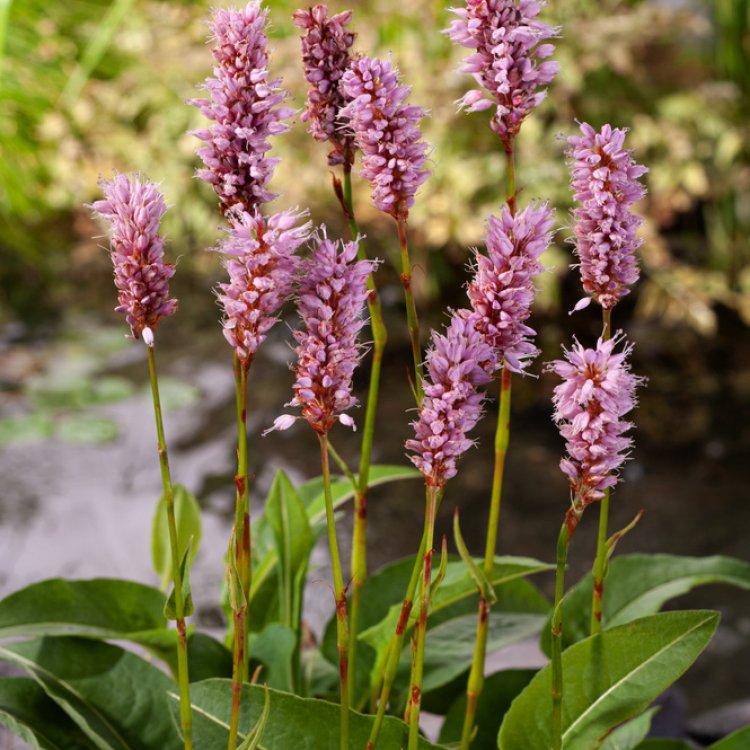
In late spring, typically from May, upright stems emerge. They showcase cheerful rose-pink flower spikes. These charming flowers resemble miniature bottlebrushes. They continue to grace the plant through much of the summer, often until August. Consequently, they provide a consistent splash of colour. They bloom when many earlier bloomers have faded.
The leaves of Persicaria bistorta are equally attractive. They are large, oblong-oval, and possess a rich mid-green colour. Occasionally, you may observe a subtle dark V-shaped marking. This adds another layer of interest.
Its robust nature makes it ideal for various garden applications. For instance, use it to create stunning ground cover in damp, shady spots. Other plants might struggle there. It also performs brilliantly when edging borders. This is especially true in cottage garden settings. Its soft pink hues blend beautifully with other perennials.
Furthermore, Persicaria bistorta supports local wildlife. Its nectar-rich flowers are a magnet for buzzing bees and delicate butterflies. This helps to sustain these essential garden visitors. Gardeners find this plant generally low-maintenance. It does not require complex pruning. However, cutting back spent flower stems encourages further blooming. It also prevents excessive self-seeding.
Tidy up the foliage in late autumn or early winter. This prepares the plant for dormancy. It ensures a fresh display of leaves come spring. Ultimately, Persicaria bistorta offers enduring beauty and ecological benefits. This makes it a cherished addition to any UK garden.
Hardy in the harshest UK conditions and below. Suitable for mountain regions.
Persicaria bistorta is a low-maintenance plant that generally thrives with minimal intervention. Ensure the soil remains consistently moist, especially during dry spells, as it naturally prefers damp conditions. Deadhead spent flower spikes regularly to encourage a prolonged flowering period and to prevent unwanted self-seeding. In late autumn or early winter, cut back the faded foliage to ground level. This practice helps to maintain a tidy appearance and promotes strong, fresh growth the following spring. It typically does not require much feeding, particularly if planted in fertile soil.