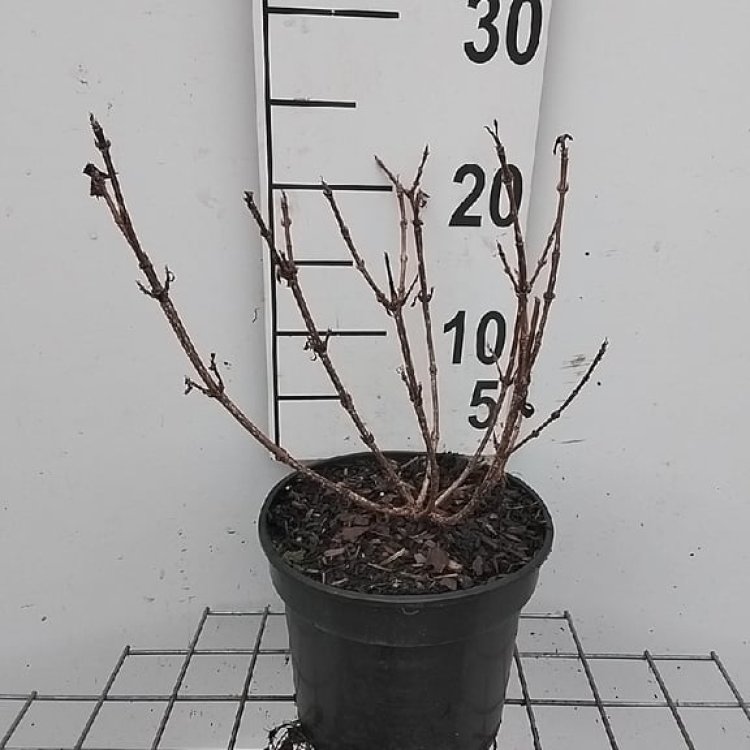
£4.73 – £7.09Price range: £4.73 through £7.09
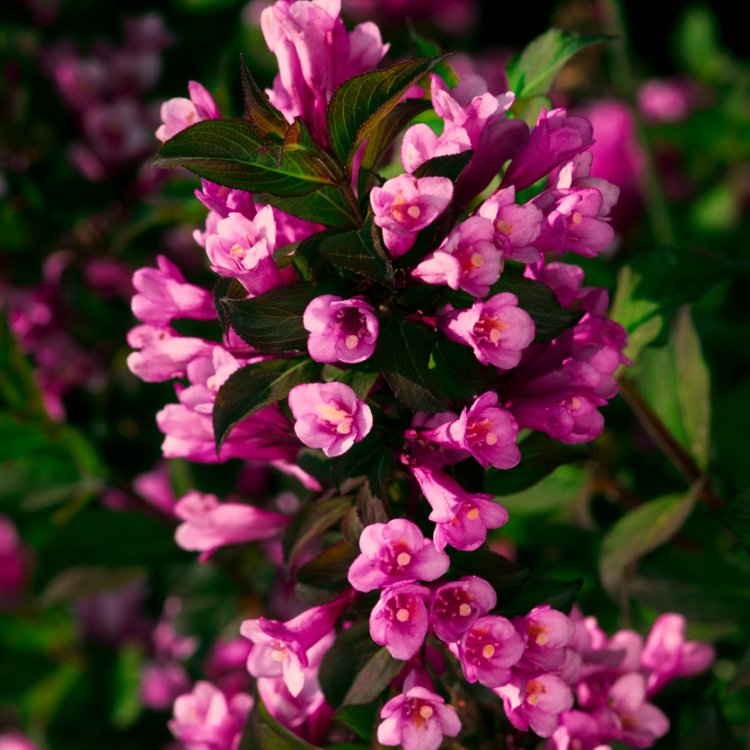
Weigela florida ‘Foliis Purpureis’ is a captivating deciduous shrub with striking dark purple leaves and abundant rosy-pink, bell-shaped flowers in late spring to early summer. It brings year-round interest and attracts pollinators to UK gardens.
46 in stock
Discover Weigela florida ‘Foliis Purpureis’, a striking deciduous shrub perfect for any UK garden, offering vibrant blooms and captivating dark foliage.
This beautiful Weigela brings fantastic colour and structure to your outdoor space. Its rich purple leaves provide year-round interest, especially before the flowers appear. When late spring arrives, bell-shaped, rosy-pink blooms emerge, creating a delightful display. Furthermore, this plant is relatively easy to grow. It suits various garden styles across the UK. It offers both visual appeal and a haven for local wildlife.
Weigela florida ‘Foliis Purpureis’ is a popular ornamental shrub. It belongs to the honeysuckle family, Caprifoliaceae. This specific cultivar stands out with its distinctive foliage. The species name ‘florida’ describes its free-flowering nature. ‘Foliis Purpureis’ literally means “with purple leaves,” clearly defining its key feature. Christian Ehrenfried Weigel, a German scientist, gave his name to the genus.
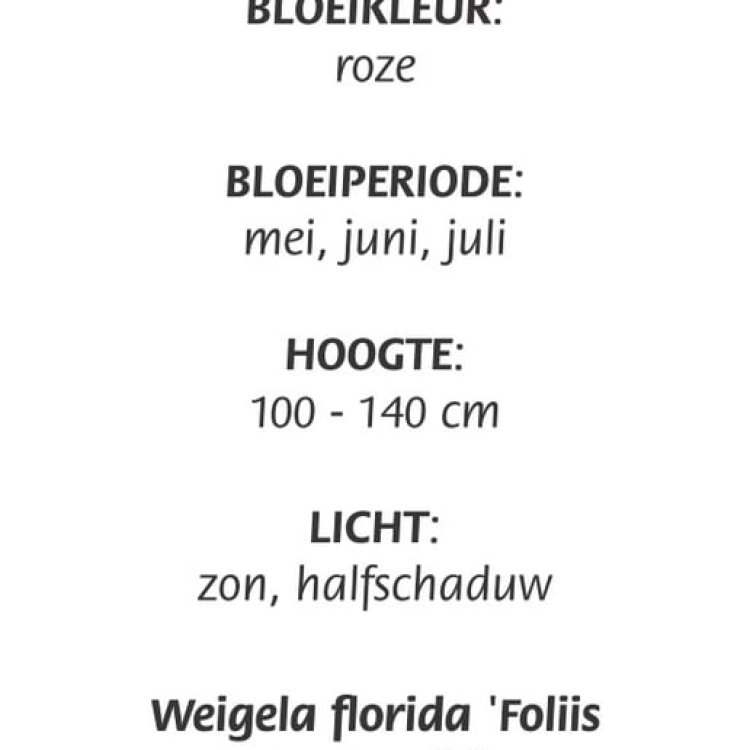
This Weigela produces deep purple-red leaves. They maintain their rich colour throughout the growing season. This provides a strong visual contrast in garden borders. Then, from May into June, a profusion of charming pink flowers appear. These bell-shaped blooms are scattered along the stems. Their brightness beautifully complements the dark foliage below. Indeed, this creates a lovely two-tone effect. Each flower offers a sweet nectar source.
Gardeners often choose Weigela florida ‘Foliis Purpureis’ for its versatility. It makes an excellent addition to mixed borders. Furthermore, you can use it to create an informal hedge. Its moderate size also makes it ideal for specimen planting. Bees and butterflies actively seek out its nectar-rich flowers. Thus, planting this shrub helps support local pollinator populations. It truly enriches your garden’s ecosystem.
This robust shrub generally requires little fuss. However, some light pruning after flowering helps to keep its shape. It also encourages new, vigorous growth for the next season. Remove any old or weak stems. This practice ensures a healthier and more floriferous plant. It thrives in typical UK garden settings. This Weigela offers lasting beauty with minimal effort.
Very hardy. Tolerates temperatures typical of a continental winter.
Water newly planted Weigela regularly until established. Mature plants generally only need watering during prolonged dry spells. Apply a balanced granular fertiliser around the base of the plant in early spring, or mulch with well-rotted compost. Prune after flowering in late spring or early summer, removing spent flower stems, weak, or crossing branches to promote bushier growth and more flowers next season. Weigela is generally trouble-free regarding pests and diseases.
This plant is deciduous so it will lose all of its leaves in the autumn and get fresh new foliage each spring.