£42.03 – £51.46Price range: £42.03 through £51.46
Prunus nipponica ‘Ruby’ is a compact deciduous cherry, celebrated for delicate pale pink-white spring flowers and stunning ruby red, orange, and purple autumn foliage. Ideal for UK gardens, it offers year-round beauty and attracts pollinators.
29 in stock
Discover the exquisite charm of Prunus nipponica ‘Ruby’, a beautiful compact cherry renowned for its stunning seasonal transformation.
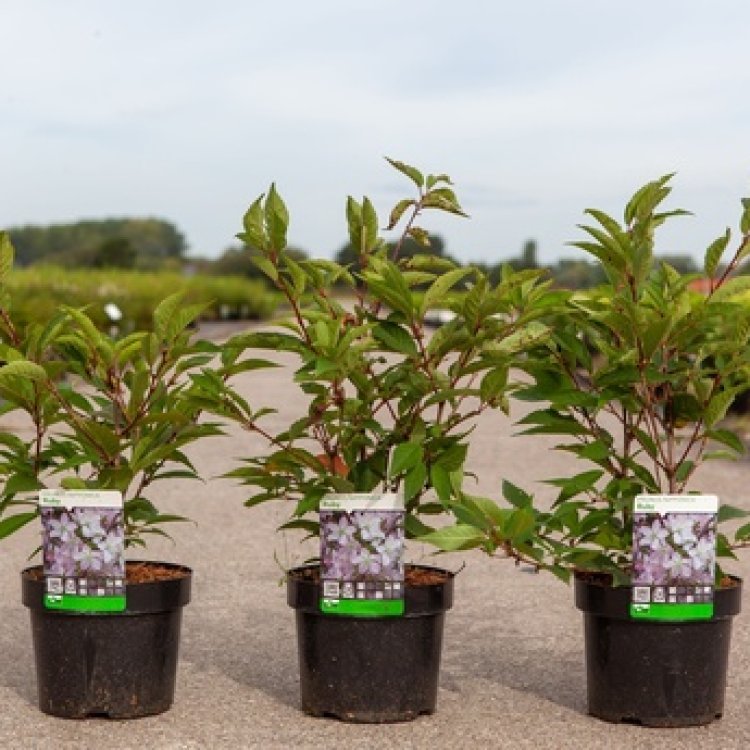
Prunus nipponica ‘Ruby’, often known as the Ruby Flowering Cherry, offers exceptional garden interest throughout the year. This delightful small deciduous tree or large shrub originates from the mountainous regions of Japan. It is celebrated for its early spring blossoms and, more notably, its spectacular autumn foliage display. Gardeners across the UK value its robust nature and adaptability, making it a superb choice for various landscape designs. Furthermore, its compact size ensures it fits well into gardens of many scales.
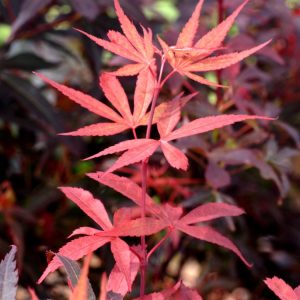
The botanical name, Prunus nipponica, refers to its genus ‘Prunus’ (cherries, plums) and its origin from ‘Nippon’, the Japanese name for Japan. The cultivar ‘Ruby’ gained its name from the magnificent, jewel-toned autumn colours it produces. Specifically, its leaves turn vivid shades of ruby red, fiery orange, and deep purple. This creates a truly breathtaking spectacle in the autumn landscape.
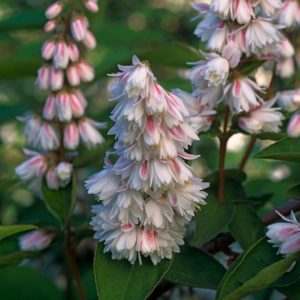
In early spring, before or just as its new leaves unfurl, Prunus nipponica ‘Ruby’ bursts into life. Clusters of small, single flowers appear, often emerging from deeper pink buds. These delicate blossoms typically range from pale pink to pristine white, providing a soft, ethereal display. Crucially, these early flowers offer vital nectar for awakening bees and other early pollinators. They effectively support local wildlife.
As spring progresses into summer, the plant develops lush green foliage. The leaves provide a pleasant backdrop throughout the warmer months. Come autumn, the real show begins. The previously green leaves transition into a vibrant tapestry of colour, making this plant a focal point in any garden. This makes Prunus nipponica ‘Ruby’ an outstanding choice for adding dramatic seasonal interest.
Gardeners often use Prunus nipponica ‘Ruby’ as a specimen tree. It adds elegance to smaller gardens. Its compact, rounded habit works well in mixed borders. There, its changing seasonal display can be fully appreciated. It also thrives in large pots or containers on patios, allowing its beauty to be enjoyed close-up.
Furthermore, this plant suits rock gardens and provides structure near water features. Pruning is generally minimal. Focus on removing any dead, damaged, or crossing branches. This usually happens after flowering to maintain its natural shape and health. The plant naturally grows into an attractive form, so heavy pruning is rarely needed.
Very hardy. Tolerates temperatures typical of a continental winter.
This plant is deciduous so it will lose all of its leaves in the autumn and get fresh new foliage each spring.