£15.07 – £17.42Price range: £15.07 through £17.42
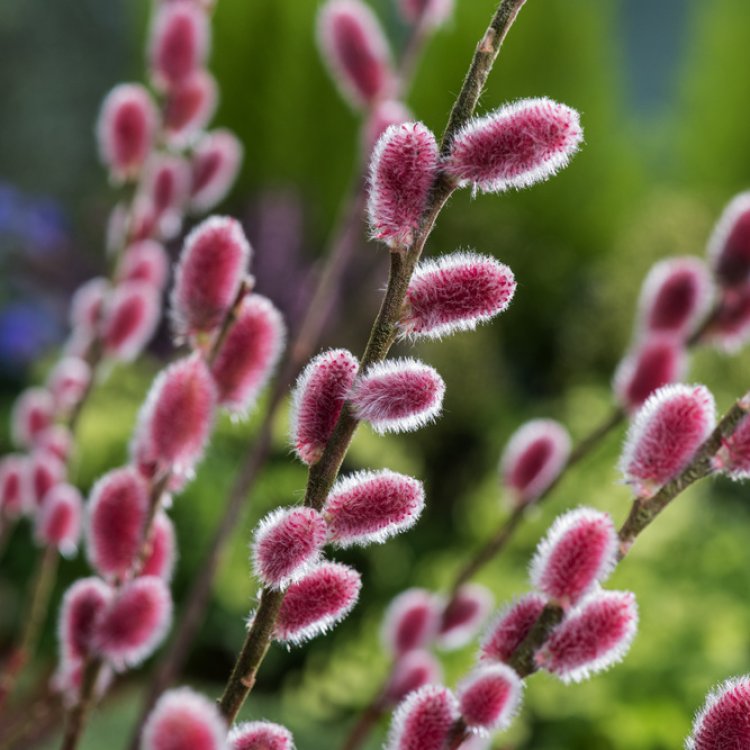
Salix gracilistyla ‘Mt. Aso’ brightens UK gardens with vibrant pink catkins from late winter. This Japanese Pink Pussy Willow attracts early bees, providing essential pollen. A charming, easy-care deciduous shrub for seasonal interest.
2500 in stock
Discover Salix gracilistyla ‘Mt. Aso’, a striking deciduous shrub known for its early spring catkins, bringing vibrant colour to UK gardens.
Introduce a touch of exotic charm to your garden with Salix gracilistyla ‘Mt. Aso’. This captivating plant, also known as Japanese Pink Pussy Willow, offers an exceptional display when little else is in bloom. It originates from East Asia, including Japan, where its beauty has been cherished for centuries. Its unique features make it a superb choice for gardeners seeking early season interest and a boost for local wildlife.
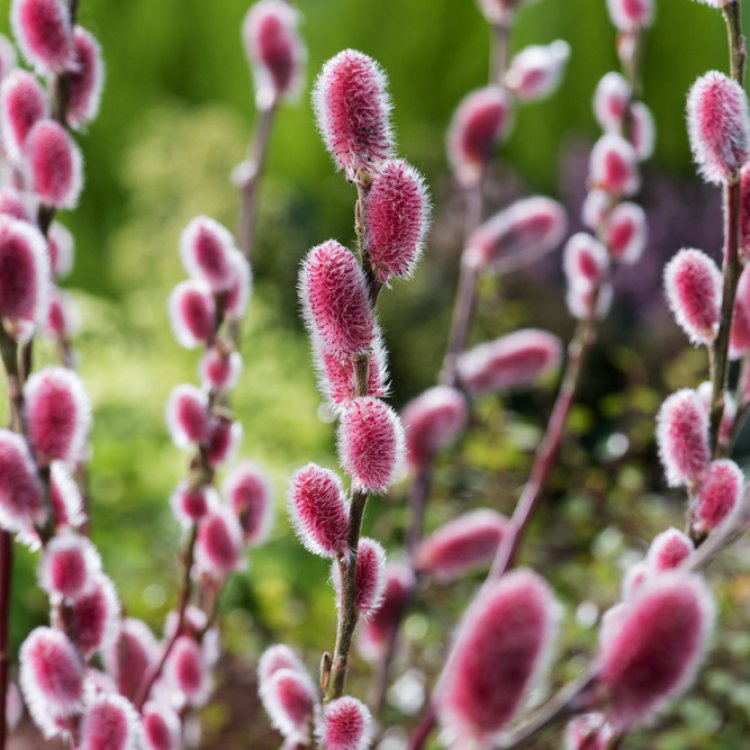
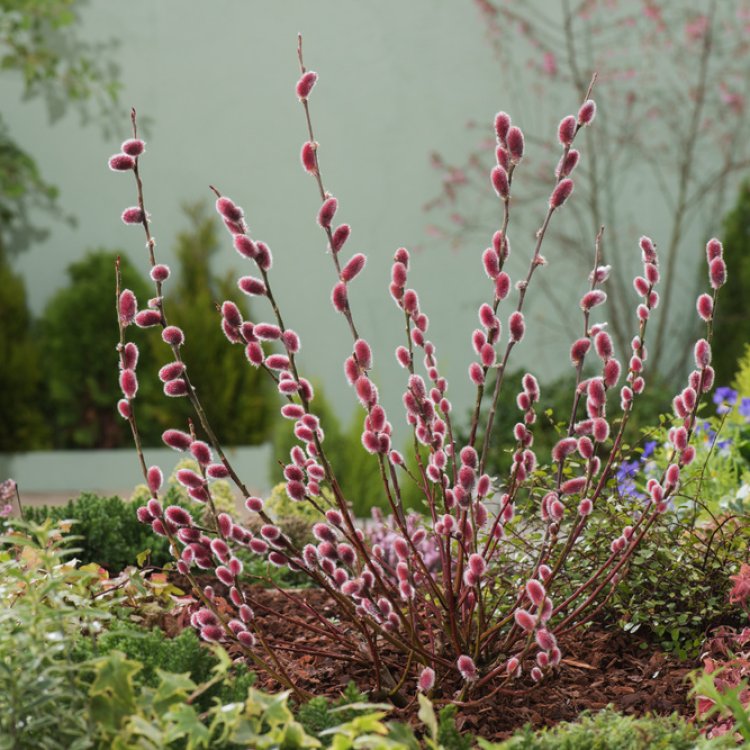
Salix gracilistyla ‘Mt. Aso’ stands out as a true garden highlight. This willow cultivar is particularly valued for its distinctive catkins. These fluffy, soft growths first appear in late winter. They unfurl from bright red buds into a beautiful, rosy pink hue. Indeed, they provide a much-needed splash of colour during the colder months. The “Mt. Aso” part of its name honours Mount Aso, Japan’s largest active volcano, hinting at its volcanic origins and robust nature.
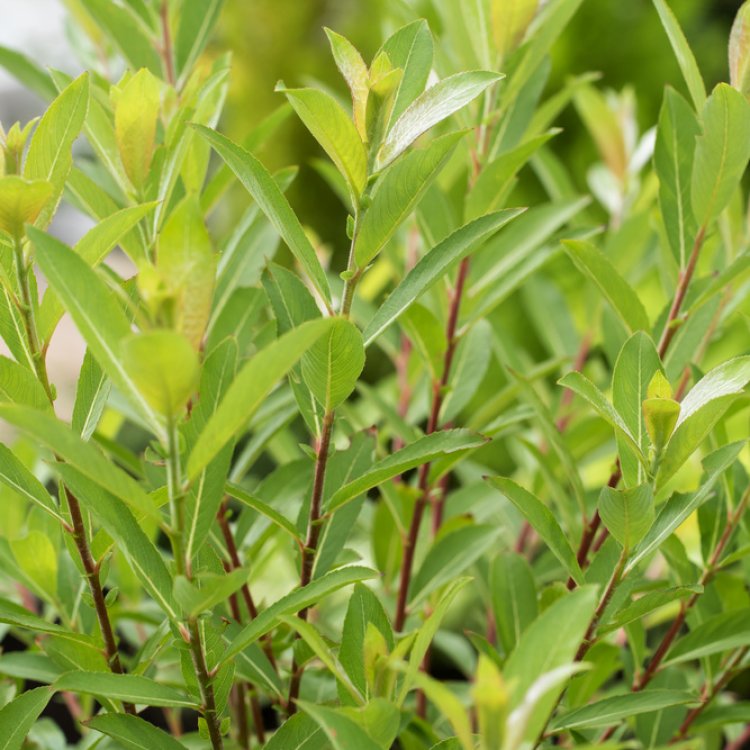
The flowering period for Salix gracilistyla ‘Mt. Aso’ typically runs from February through to March in UK gardens. Its unique catkins are not just pretty; they are highly beneficial. As soon as they emerge, they provide an essential food source. Early-rising bees, especially, are drawn to the pollen-rich catkins. Consequently, this makes the plant a valuable addition to a wildlife-friendly garden. After the catkins fade, slender, grey-green leaves emerge. They offer a delicate texture throughout the spring and summer. The foliage then turns a soft yellow before falling in autumn.
This versatile shrub works well in many garden designs. For example, plant it as a stunning specimen plant to draw the eye. It also shines when used in mixed borders. Its medium size makes it suitable for smaller gardens too. Furthermore, it adds structure and winter interest near ponds or streams. You can also grow Salix gracilistyla ‘Mt. Aso’ as an informal hedge. Pruning is beneficial for this willow. After the catkins have finished, cut back the stems. This encourages vigorous new growth and ensures a spectacular display of catkins the following year. This simple practice keeps the plant healthy and productive.
Very hardy. Tolerates temperatures typical of a continental winter.
Salix gracilistyla 'Mt. Aso' is a relatively easy plant to care for. Ensure it receives consistent moisture, especially during dry spells, as willows prefer moist soil conditions. Plant in full to partial sun for the best catkin display. To encourage the most vibrant and abundant catkins each year, prune the plant hard after the flowering period in late spring. You can coppice it down to a few buds from the base, or pollard by cutting back to a framework of main stems. Apply a layer of organic mulch around the base in spring to help retain soil moisture and suppress weeds.
This plant is deciduous so it will lose all of its leaves in the autumn and get fresh new foliage each spring.