£8.28 – £10.15Price range: £8.28 through £10.15
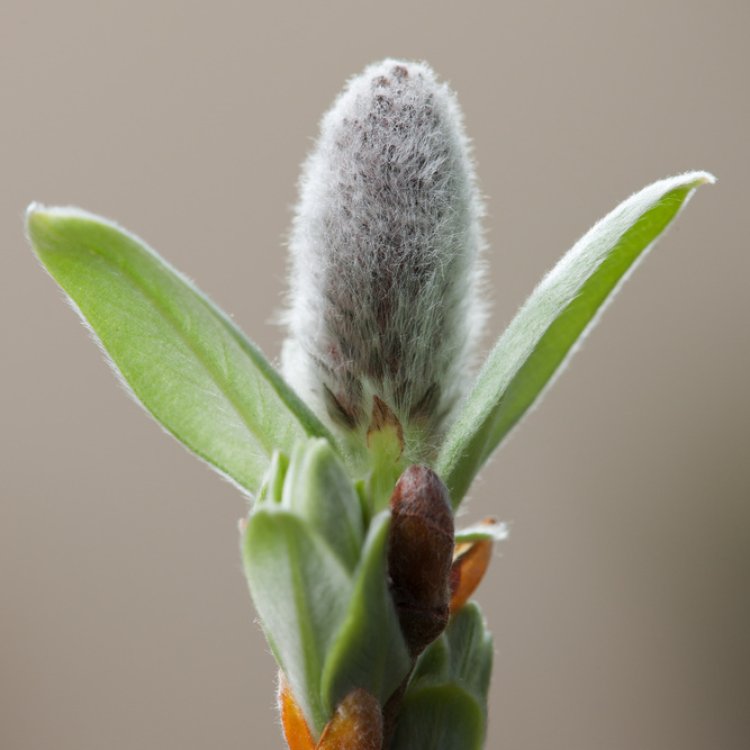
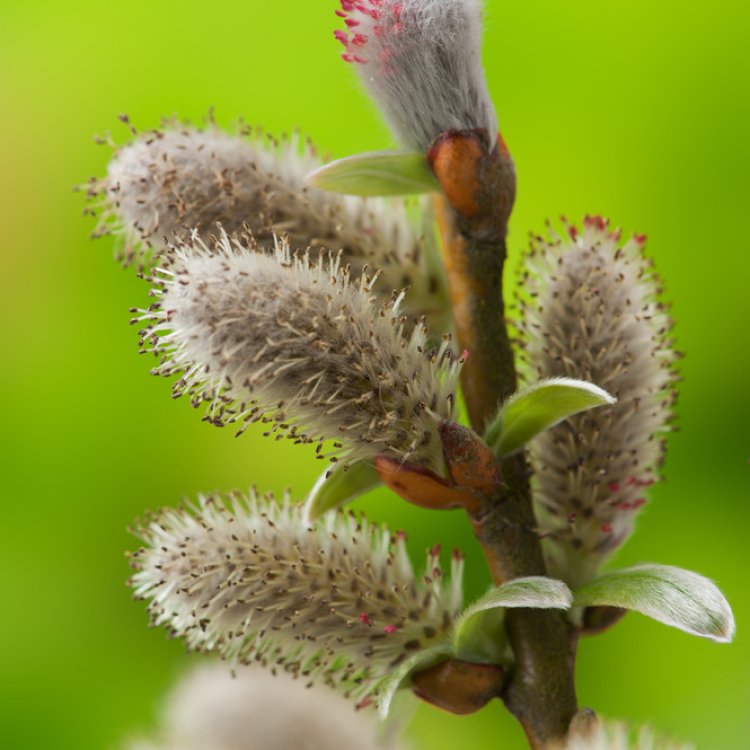
Salix helvetica, the Swiss Willow, is a compact, hardy shrub prized for its striking silvery-grey, woolly foliage and early spring catkins. It supports early pollinators and thrives in rock gardens, borders, or containers, adding texture and interest.
24 in stock
Discover Salix helvetica, the charming Swiss Willow, a compact deciduous shrub that brings delightful silvery foliage and early spring catkins to your UK garden.
The exquisite Salix helvetica, often known as the Swiss Willow, is a delightful dwarf shrub originating from the high altitudes of the European Alps. This particular willow cultivar offers gardeners a unique blend of ornamental appeal and robust hardiness. Its distinctive silvery-grey leaves create a stunning visual contrast in any garden setting. Moreover, its early spring catkins provide vital food for pollinators when other sources are scarce. Gardeners appreciate its low maintenance nature and year-round interest.
Salix helvetica derives its specific epithet “helvetica” from Helvetia, the ancient Latin name for Switzerland. This designation naturally reflects its native mountainous habitat. Consequently, this specific species, a proud member of the Salix genus, is exceptionally well-suited to cooler climates.
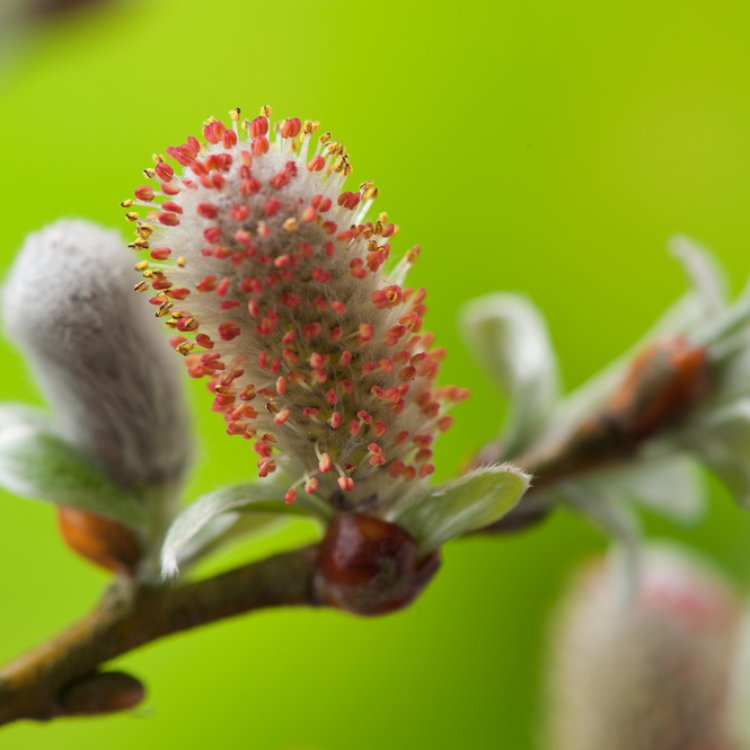
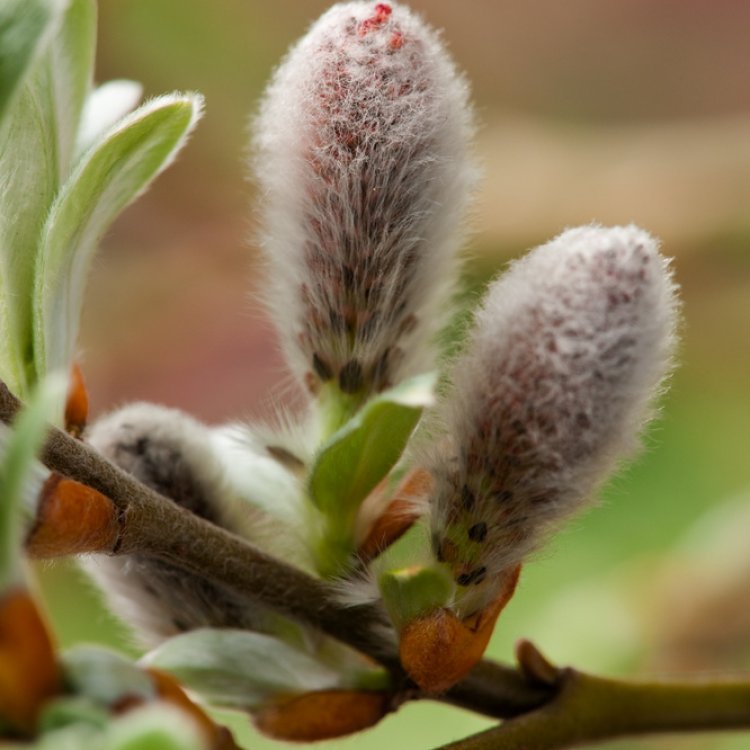
The plant’s primary charm lies in its remarkable silvery appearance, which lasts throughout the growing season. Each leaf, covered in fine, white hairs, gives it a distinctively soft, woolly texture. These attractive leaves provide consistent visual interest from early spring right through to late autumn, catching the light beautifully. As winter fades, typically in March and April, the plant unfurls charming, small catkins. These furry structures are a welcome and early herald of spring.
The early catkins on Salix helvetica do more than just signal spring’s arrival; they also serve as an important, indeed vital, early nectar source. Therefore, they actively support bees and other pollinating insects at a critical time when few other food sources are available. This makes the Swiss Willow a valuable addition for wildlife-friendly gardens.
This compact willow proves an excellent choice for a wide variety of garden applications. Due to its small stature and controlled growth, Salix helvetica is perfect for rock gardens, where its silver foliage beautifully contrasts against natural stone. Furthermore, it performs wonderfully at the front of mixed borders, creating a soft texture and a gentle visual edge. Many gardeners also find it thrives exceptionally well in containers, allowing even those with limited ground space to enjoy its unique beauty. Pruning is straightforward; it responds well to being trimmed after flowering. This helps maintain its naturally neat, rounded shape. This encourages a flush of fresh, vibrant foliage. Thus, this adaptable shrub remains tidy and attractive throughout the entire growing season.
Hardy in the harshest UK conditions and below. Suitable for mountain regions.
Salix helvetica thrives in moist, well-drained soil and prefers a sunny to partially sunny spot. Prune after flowering to maintain its compact shape and encourage fresh, silvery foliage. Ensure adequate watering, especially during dry spells, to support its health and vigour.
This plant is deciduous so it will lose all of its leaves in the autumn and get fresh new foliage each spring.