£23.80 – £26.15Price range: £23.80 through £26.15
The Ficus carica, or Common Fig, offers delicious, sweet fruit and exotic, lobed foliage. This deciduous plant thrives in UK gardens in sunny, sheltered spots, providing an autumn harvest and Mediterranean charm. It’s a wonderful addition for both beauty and edible rewards.
200 in stock
The Ficus carica, or Common Fig, offers delicious, sweet fruit and striking foliage, thriving in UK gardens with a sunny, sheltered spot.
Native to western Asia and the Middle East, the Ficus carica is a truly ancient and cherished plant. Indeed, its cultivation dates back thousands of years. This deciduous shrub or small tree, commonly known as the Common Fig, brings both ornamental beauty and edible rewards to your garden. Its distinctive lobed leaves and unique fruit structure make it a fascinating addition. Furthermore, it adapts well to various growing conditions across the UK, especially when given warmth and sunlight.
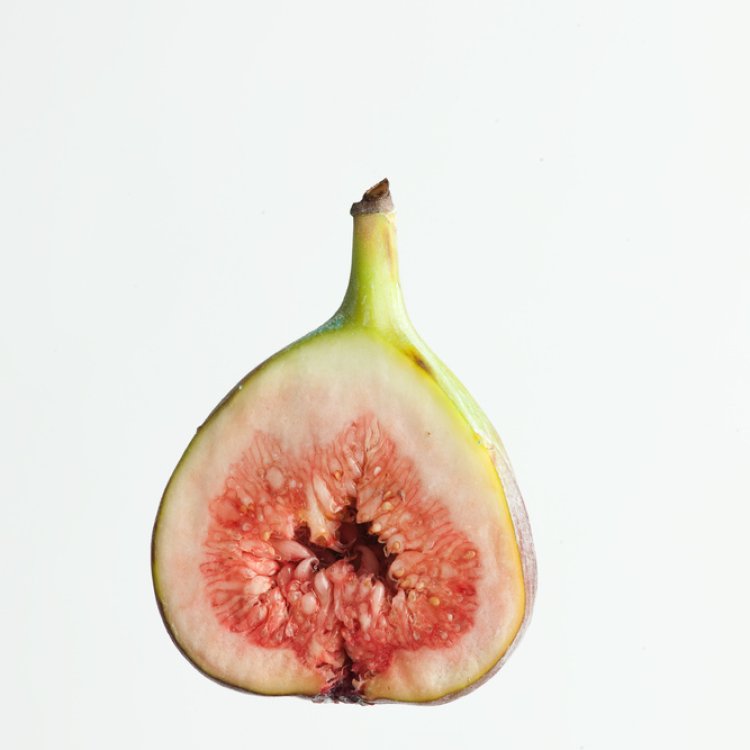
The Ficus carica is a member of the Moraceae family, related to mulberries. Its name ‘Ficus’ is simply the Latin word for fig, while ‘carica’ refers to Caria, an ancient region in what is now Turkey, famous for its fig cultivation. This plant does not produce traditional flowers. Instead, its unique edible “fruit” is actually an inverted flower structure, or syconium, which contains many tiny flowers inside. These develop into the small, crunchy seeds found within the ripe fig.
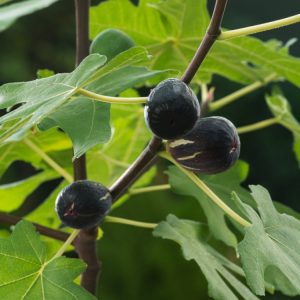
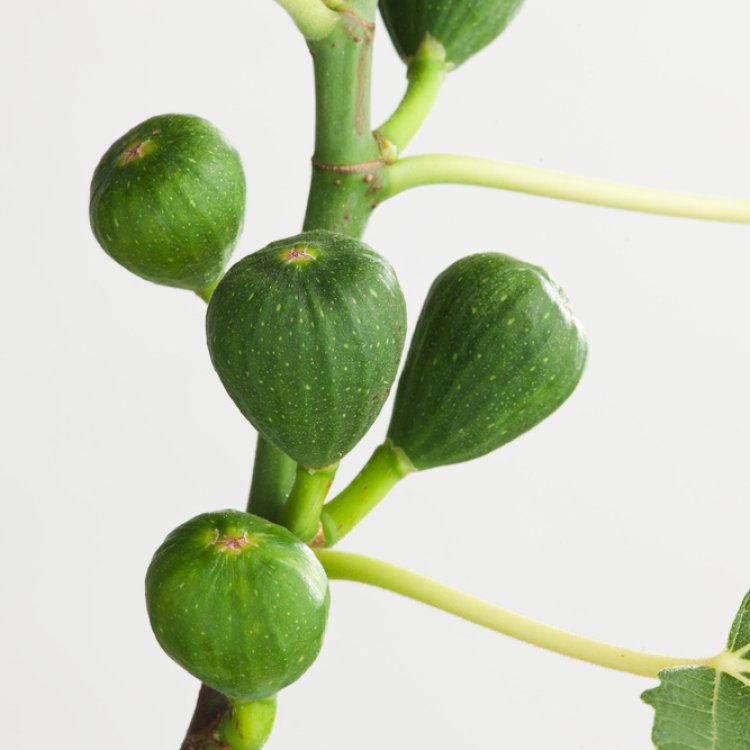
Throughout spring and summer, the Ficus carica displays its large, rough-textured leaves. These leaves are typically green and deeply lobed, creating a bold, exotic appearance. As autumn approaches, the foliage may turn yellow before falling, signalling the tree’s deciduous nature. The fruit, the Common Fig, develops slowly through the summer. Consequently, it ripens from late August into October in the UK, offering a sweet treat. The skin colour can range from green to rich purple-black when fully mature.
Many UK gardeners successfully grow Ficus carica in sheltered, sunny positions. It looks splendid as a specimen plant, providing architectural interest. Alternatively, it can be trained against a south-facing wall, which offers extra warmth and protection. Pruning helps to manage its size and encourages better fruit production. This practice ensures a healthy, productive plant. Moreover, figs can thrive in large containers, making them suitable for patios and smaller gardens.
While the fig’s natural pollination process involves specific fig wasps not present in the UK, many cultivated varieties fruit reliably here. These fruits are highly attractive to local wildlife. Birds, in particular, adore ripe figs, often feasting on them before human gardeners get a chance. This makes the Ficus carica a valuable addition for encouraging garden biodiversity.
Hardy across most of the UK except particularly exposed or cold regions.
Ficus carica requires a warm, sheltered spot in full sun with well-drained soil to thrive. Regular watering is important during dry spells, especially for container-grown plants and during fruit development. Protect from severe winter frosts, particularly when young, by mulching or providing fleece protection.
This plant is deciduous so it will lose all of its leaves in the autumn and get fresh new foliage each spring.