£48.62 – £50.98Price range: £48.62 through £50.98
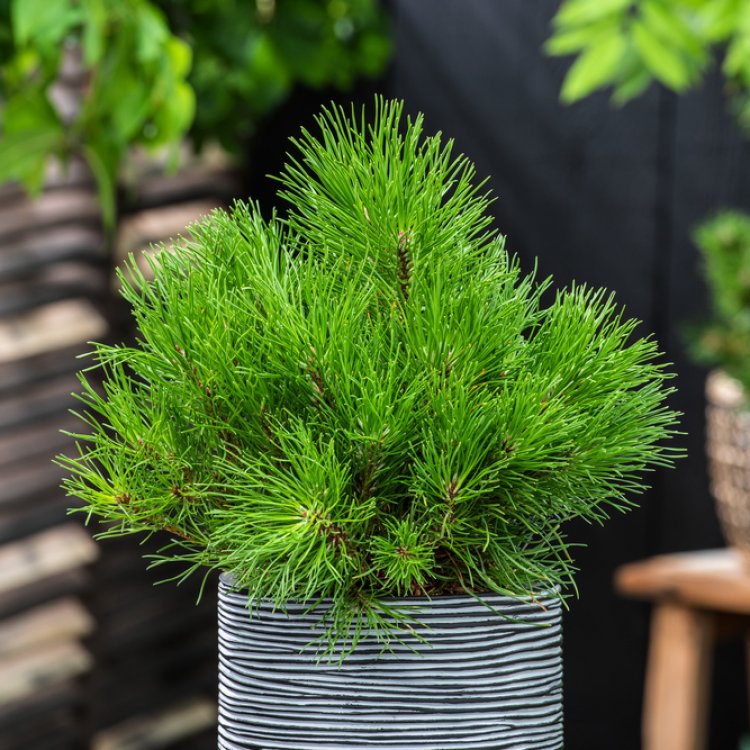
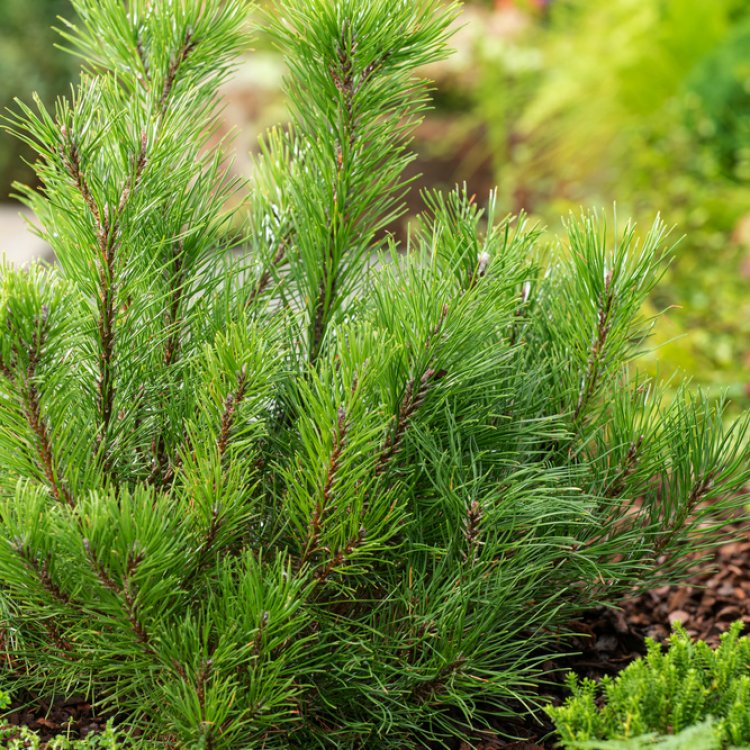
Bring robust, year-round evergreen structure to your UK garden with Pinus mugo, the Dwarf Mountain Pine. This hardy, low-maintenance conifer features dense green needles and an attractive, compact form, ideal for borders, rockeries, or containers.
49 in stock
The robust Pinus mugo, also known as Dwarf Mountain Pine, offers superb evergreen structure and year-round interest for UK gardens.
Discover the charm of Pinus mugo, a resilient and versatile conifer. It is perfectly suited to many UK garden settings. This hardy evergreen brings a touch of alpine beauty. It features dense, vibrant green foliage and attractive, gnarled branches.
Furthermore, it adapts well to diverse conditions. This makes it a favoured choice for adding permanent texture and form. Gardeners appreciate its low-maintenance nature. Therefore, it is an excellent option for both novice and experienced enthusiasts.
The botanical name, Pinus mugo, references its natural mountainous habitats. These are found across central and southern Europe. This species encompasses many forms. They range from small, bushy shrubs to broader, multi-stemmed trees. Many popular garden varieties, such as ‘Mughus’ or ‘Pumilio’, are prized for compact, cushion-like growth. They suit rockeries, borders, and containers well. Consequently, selecting the right cultivar ensures it fits your specific garden design.
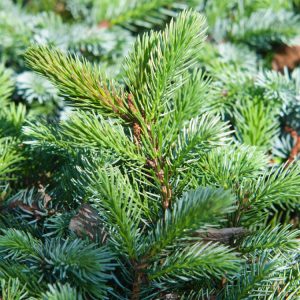
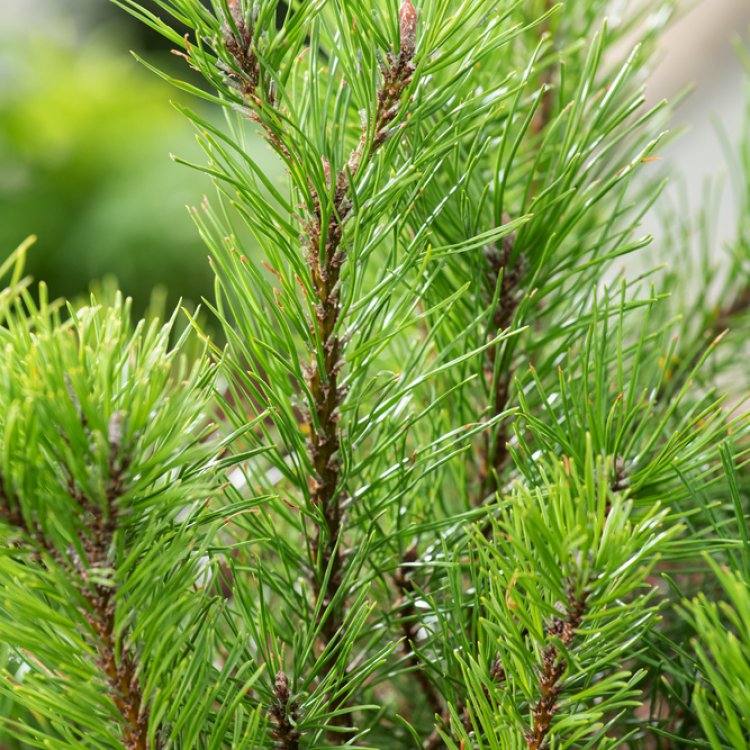
This Mountain Pine displays stiff, dark green needles. These are typically arranged in pairs. The needles stay on the plant all year, ensuring continuous visual appeal. This applies even in winter. The plant’s form is generally rounded or mounded. Older specimens can develop more sprawling shapes. Over time, its bark becomes attractively fissured. This adds another layer of texture. The distinct architectural quality enhances the garden’s framework.
This robust conifer serves multiple purposes. For example, it provides excellent ground cover on slopes. It also creates definition in mixed borders. Additionally, it acts as a focal point in a gravel garden. Its dense canopy offers valuable shelter for small birds. This is especially true during colder months. Although it does not produce nectar-rich flowers, its presence contributes to garden biodiversity. It provides a safe haven for various wildlife.
Generally, Pinus mugo requires very little pruning. It naturally adopts a pleasing form. Nevertheless, if shaping is desired, it is best undertaken in spring. This is known as ‘candling’. This method involves pinching new growth shoots (candles). You do this before their needles fully expand. By doing so, you control the plant’s size. You also encourage denser branching. This simple technique helps preserve its ornamental value for many years.
Hardy in the harshest UK conditions and below. Suitable for mountain regions.
Pinus mugo is a low-maintenance plant. Water regularly during its first year to establish. Once established, it is drought tolerant. Fertilise sparingly in spring with a balanced feed. Pruning is rarely needed but can be done by 'candling' new shoots in spring to maintain a compact shape. Ensure good air circulation to prevent fungal issues.