£5.96 – £8.32Price range: £5.96 through £8.32
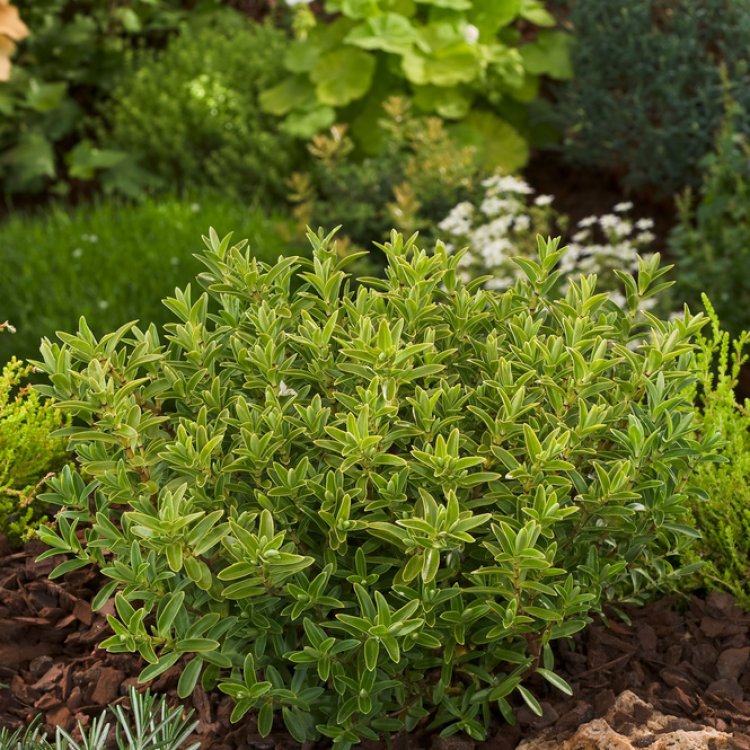
Hebe rakaiensis is a compact evergreen shrub ideal for UK gardens. It provides year-round bright green foliage and beautiful white summer flowers. This low-maintenance plant attracts pollinators and suits borders, rockeries, or containers perfectly.
4956 in stock
Discover Hebe rakaiensis, a delightful evergreen shrub bringing year-round structure and beauty to UK gardens with its compact form and summer blooms.
Hebe rakaiensis is a charming, compact evergreen shrub, highly valued for its neat habit and robust nature. Originating from New Zealand, this plant offers excellent resilience in many UK garden settings. Gardeners often choose Hebe rakaiensis for its bright green foliage and abundant white flowers. It provides consistent visual appeal, especially when planted in sunny, well-drained spots. This hebe truly enhances a diverse range of planting schemes.
The genus Hebe receives its name from Hebe, the Greek goddess of youth. This specific plant, Hebe rakaiensis, finds its origins near the Rakaiya River on New Zealand’s South Island. Its name, therefore, directly reflects its natural habitat. This heritage explains its preference for open, well-drained locations. You can plant Hebe rakaiensis with confidence, knowing its natural toughness. It quickly settles into various garden environments.
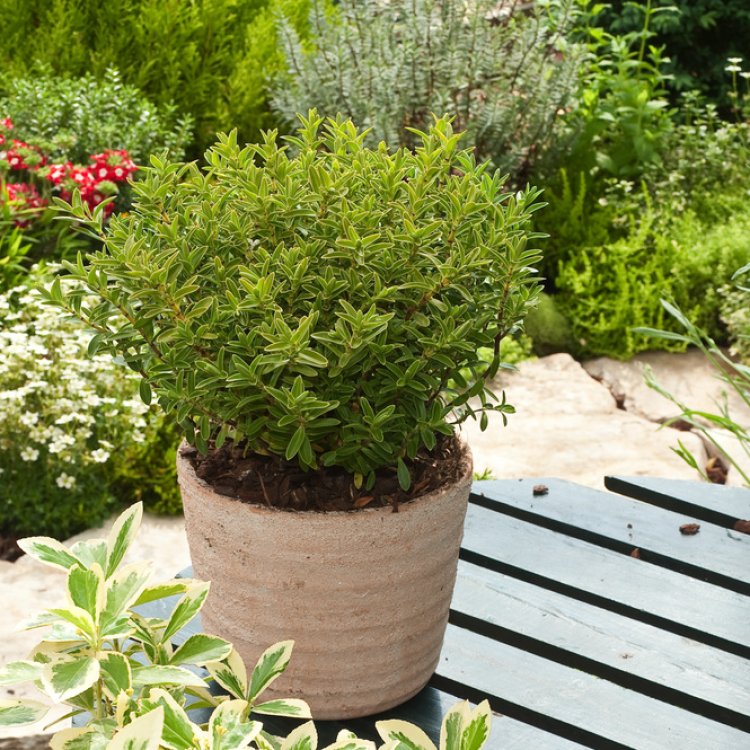
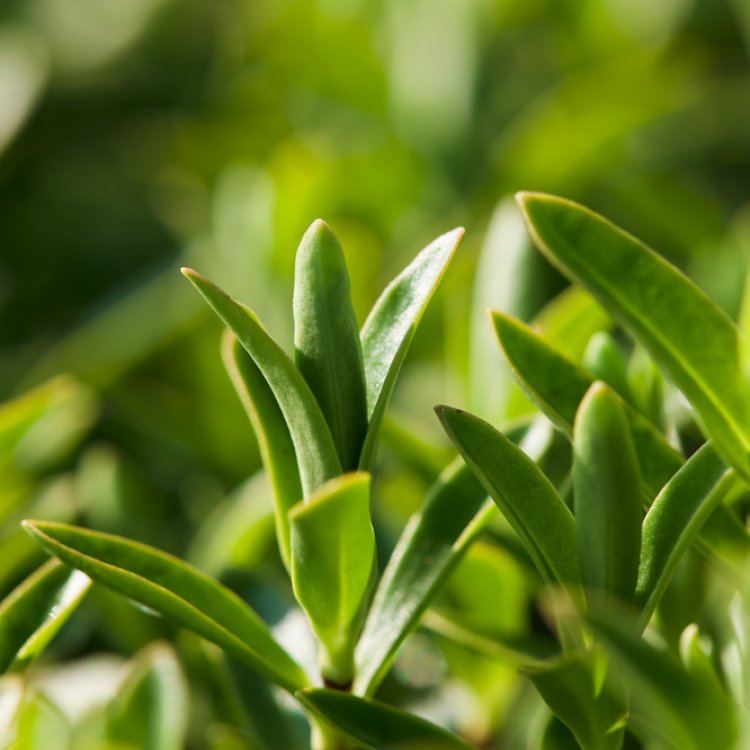
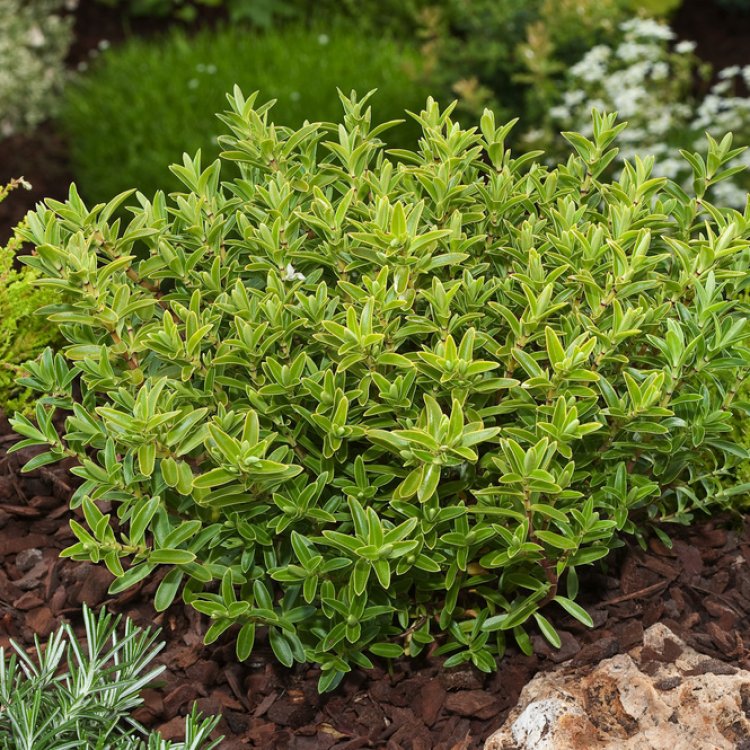
This particular Hebe variety boasts a dense display of small, oval-shaped leaves. Their vibrant, glossy green colour provides superb year-round interest. Consequently, it creates a wonderful backdrop for other plants. During the summer months, Hebe rakaiensis bursts into bloom. It produces numerous slender spikes of small, pure white flowers. These delicate blooms create a soft, ethereal effect. Furthermore, they are a magnet for local pollinators. Bees and butterflies frequently visit this lovely shrub, adding life to your garden.
Gardeners often choose Hebe rakaiensis for its incredible versatility. Its compact, rounded form makes it perfect for edging borders. It also shines in rockeries, where its neat habit complements stones and alpines. You can effectively use this Hebe for low informal hedging too. Many people also plant it in containers, enhancing patios and balconies. Due to its robust nature, Hebe rakaiensis thrives in coastal gardens, resisting salt spray. Therefore, it is a truly adaptable choice for many UK garden styles.
Hebe rakaiensis generally requires little pruning. After its main flowering period in late summer, a light trim helps maintain its desirable compact shape. This simple step also encourages denser growth. Furthermore, it often promotes another flush of blooms. Importantly, this Hebe actively supports garden wildlife. Its summer flowers provide a valuable nectar source for bees and butterflies. Thus, planting Hebe rakaiensis contributes positively to local biodiversity. It offers beauty and ecological benefits alike.
Hardy across most of the UK except particularly exposed or cold regions.
Hebe rakaiensis thrives with minimal fuss. Water regularly during its first growing season until established, especially in dry spells. Thereafter, it is drought-tolerant. A light trim after flowering in late summer or early autumn helps maintain its compact, rounded shape and encourages bushier growth. Remove any dead or damaged stems as needed. This hebe prefers well-drained soil and does not typically require supplementary feeding in good garden soil. Protect from severe winter frosts in very exposed locations or exceptionally cold regions by applying a thick mulch around the base.