£42.34 – £43.51Price range: £42.34 through £43.51
Transform your garden with Lespedeza thunbergii, the beautiful Bush Clover. Its cascading purple-pink flowers provide a stunning late-season display, attracting pollinators and adding elegance to any UK garden. Easy to grow and maintain.
6 in stock
Discover Lespedeza thunbergii, a magnificent, free-flowering shrub bringing late-season colour to UK gardens with its cascading purple blooms.
As summer wanes and autumn approaches, bringing late-season allure to UK gardens, Lespedeza thunbergii, also known as Bush Clover, truly shines. This elegant deciduous shrub produces a spectacular display of pea-like flowers. Its arching stems create a graceful, fountain-like habit, adding dynamic structure and vibrant colour when many other plants are fading. It is a superb choice for gardeners seeking both beauty and ease of care.
The unique botanical name Lespedeza thunbergii honours two notable figures. ‘Lespedeza’ pays tribute to Vicente Manuel de Céspedes, a Spanish governor of East Florida in the late 18th century. The species epithet ‘thunbergii’ commemorates Carl Peter Thunberg, a distinguished Swedish botanist and pupil of Linnaeus. He extensively explored Japan, among other regions, where this plant originates. This plant’s heritage speaks to its global appeal and enduring beauty.
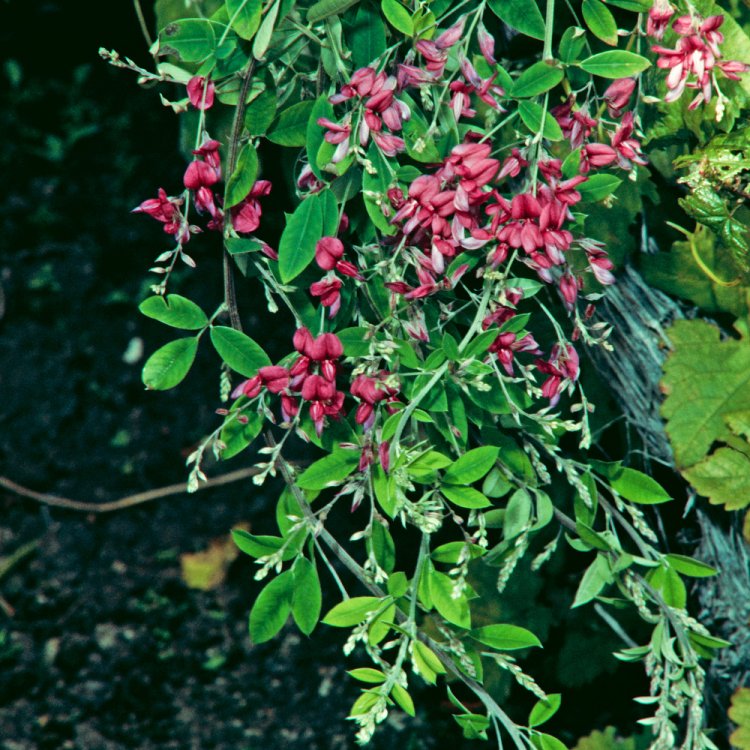
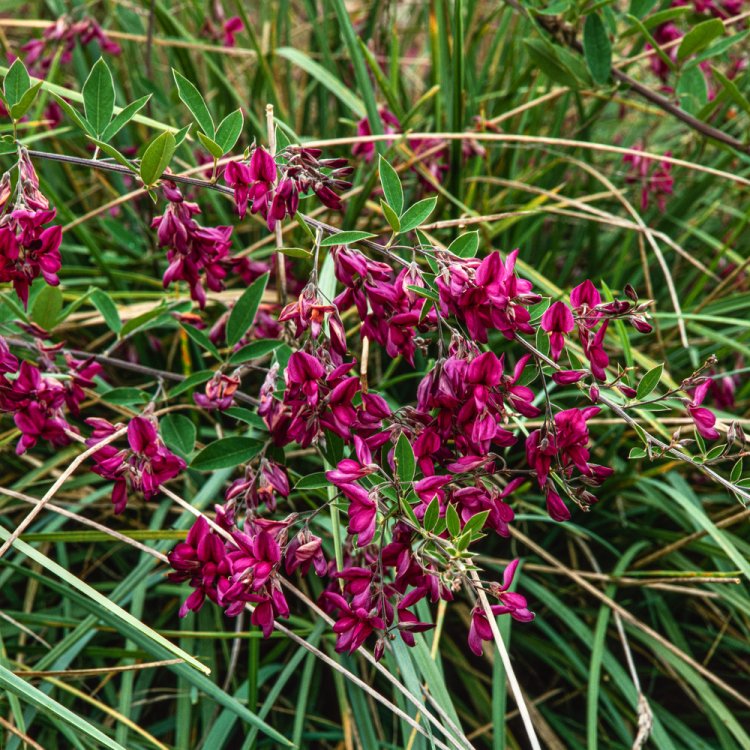
Bush Clover is renowned for its elegant foliage and spectacular flowering period. Its leaves are trifoliate, meaning they comprise three leaflets, which present a fresh green hue throughout spring and summer. As autumn draws in, these leaves often adopt a lovely yellow tint before they naturally drop. However, the true spectacle begins in August. That is when a profusion of bright purple-pink, pea-shaped flowers emerges along its arching branches, continuing well into October. Each bloom contributes to a breathtaking cascade of colour.
This versatile shrub works wonderfully in many garden designs. Plant Lespedeza thunbergii at the back of a mixed border to provide height and a dramatic backdrop. Alternatively, let it spill over a retaining wall or down a bank where its arching habit can be fully appreciated. Its rapid growth makes it an excellent choice for quickly filling spaces. Bush Clover also thrives in a specimen planting, where its natural form can be the garden’s focal point.
Beyond its visual appeal, Lespedeza thunbergii is a boon for local wildlife. Its late-season flowers offer a vital nectar source for bees and butterflies when many other plants have finished blooming. Therefore, planting this shrub helps to support pollinator populations right through to the end of the growing season. This makes it a great addition to any wildlife-friendly garden.
Lespedeza thunbergii is a fast-growing plant that benefits from regular pruning to maintain its vigour and encourage the best floral display. Each year, in late winter or early spring, cut back the previous year’s growth hard. This can involve reducing stems to just 15-30cm from the ground. Such pruning ensures a strong framework for new growth and an abundance of flowers. It also keeps the plant from becoming too sprawling.
With its striking late-season blooms, graceful habit, and minimal care requirements, this fast-growing shrub will quickly become a cherished feature in your outdoor space. Lespedeza thunbergii is a wise choice for gardeners aiming to extend their garden’s season of interest and support local wildlife.
Hardy in all of the UK and northern Europe. Suitable for exposed sites.
Lespedeza thunbergii thrives in full sun and well-drained soil. Water regularly after planting until established, then it is quite drought tolerant. The most crucial care involves pruning: cut back all stems hard to approximately 15-30cm from the ground in late winter or early spring (February-March). This encourages vigorous new growth and ensures the best possible floral display in autumn. Apply a balanced general-purpose fertiliser in spring if growth seems weak, although it often performs well in poorer soils.
This plant is deciduous so it will lose all of its leaves in the autumn and get fresh new foliage each spring.