£49.03
Cercis canadensis The Rising Sun is a stunning Eastern Redbud, offering vibrant, ever-changing foliage. Its heart-shaped leaves emerge in sunset hues, maturing to lime green, complemented by delicate spring pink flowers. A captivating focal point for any UK garden.
4 in stock
Discover Cercis canadensis The Rising Sun, a truly spectacular small tree or large shrub, celebrated for its vibrant, ever-changing foliage and delicate spring blossoms.
This magnificent cultivar of the Eastern Redbud offers a dynamic display of colour throughout the growing season. It introduces warmth and interest to any UK garden, transforming from striking spring flowers to intensely colourful new leaves. This plant stands out as a focal point, drawing the eye with its unique beauty and manageable size.
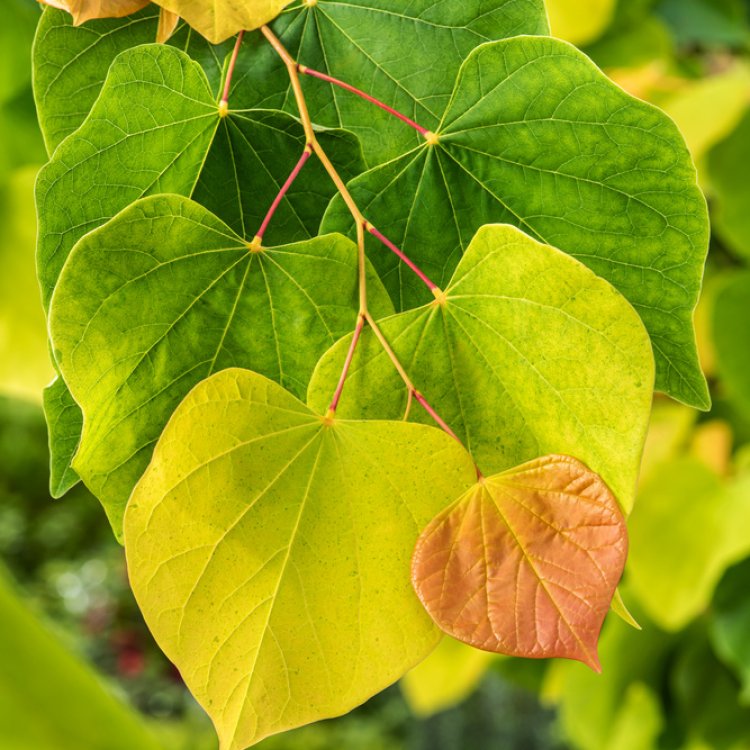
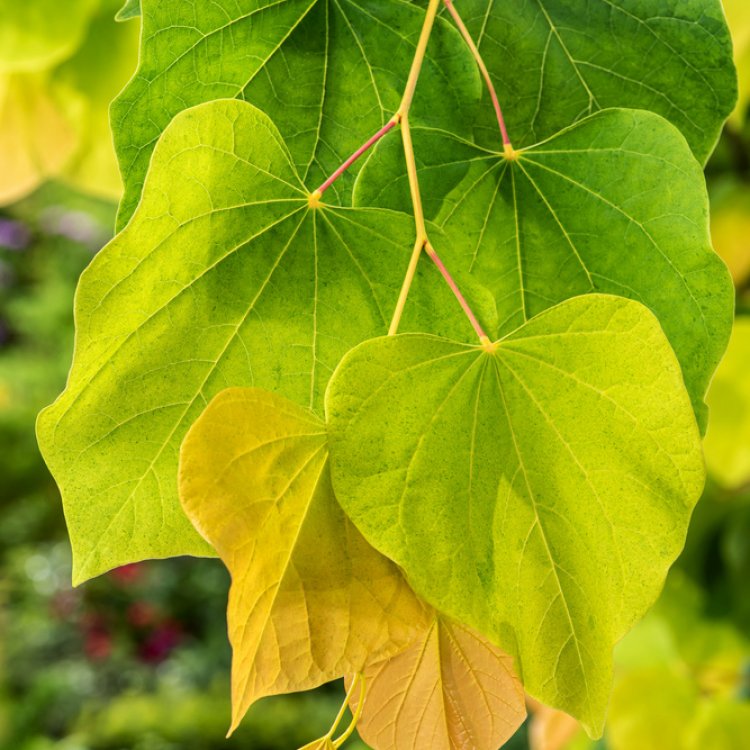
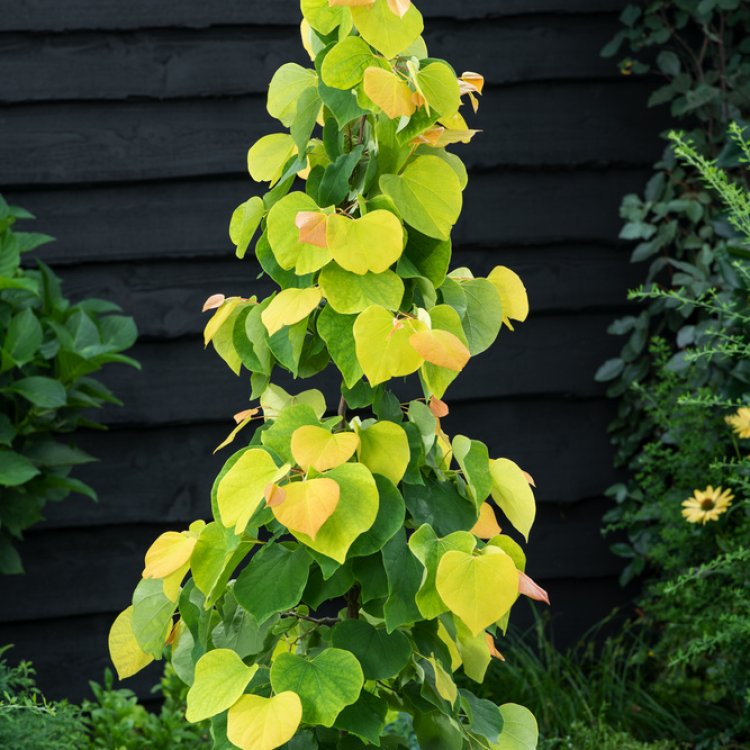
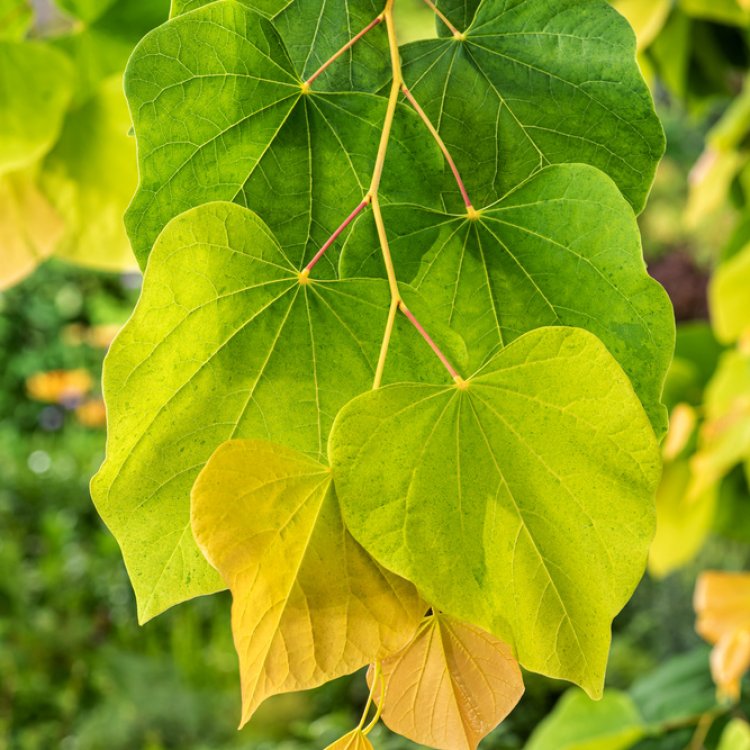
Cercis canadensis The Rising Sun is renowned for its remarkable foliage. Each spring, heart-shaped leaves emerge in a captivating blend of orange, red, and yellow. They resemble the vibrant hues of a sunrise. These dynamic colours gradually soften to a fresh, luminous lime green as the season progresses. By autumn, the leaves transform once more, presenting warm shades of yellow and orange before they fall. This continuous colour shift makes it a garden highlight.
Before the spectacular leaf display begins, this Eastern Redbud graces the garden with an abundance of charming pink, pea-like flowers. These dainty blooms cling directly to the bare stems and branches during March and April. They provide a vital early nectar source for bees and other beneficial insects, making it a valuable addition to a wildlife-friendly garden. The flowers create a delightful contrast against the emerging spring landscape.
The genus name, Cercis, comes from the Greek word ‘kerkis’, meaning a weaver’s shuttle. This refers to the shape of its distinctive seed pods. Meanwhile, ‘canadensis’ simply indicates its North American origin. ‘The Rising Sun’ cultivar was aptly named for its brilliant, sunrise-like foliage. This compact, deciduous tree typically forms a multi-stemmed, vase-shaped habit. It brings a unique architectural element to borders or stands proudly as a specimen plant.
Due to its moderate size and striking appearance, Cercis canadensis The Rising Sun suits various garden designs. It works beautifully as a standout feature in a mixed border, creating a natural focal point. Furthermore, it thrives in a woodland setting or near a patio where its seasonal changes can be fully appreciated. Pruning is generally minimal, focused mainly on removing any dead, damaged, or crossing branches to maintain its elegant form. This plant is a true gem for year-round visual interest and ecological value.
Very hardy. Tolerates temperatures typical of a continental winter.
Cercis canadensis The Rising Sun requires minimal care once established. Water regularly during its first growing season and during dry spells to ensure good establishment. Apply a balanced, slow-release fertiliser in spring if soil fertility is poor or growth appears weak. Pruning is best done in late winter or early spring before new growth emerges, focusing on removing any dead, damaged, or crossing branches to maintain its elegant shape. Avoid heavy pruning as it prefers its natural form. Ensure good drainage to prevent potential issues like verticillium wilt.
This plant is deciduous so it will lose all of its leaves in the autumn and get fresh new foliage each spring.