£12.13 – £14.49Price range: £12.13 through £14.49
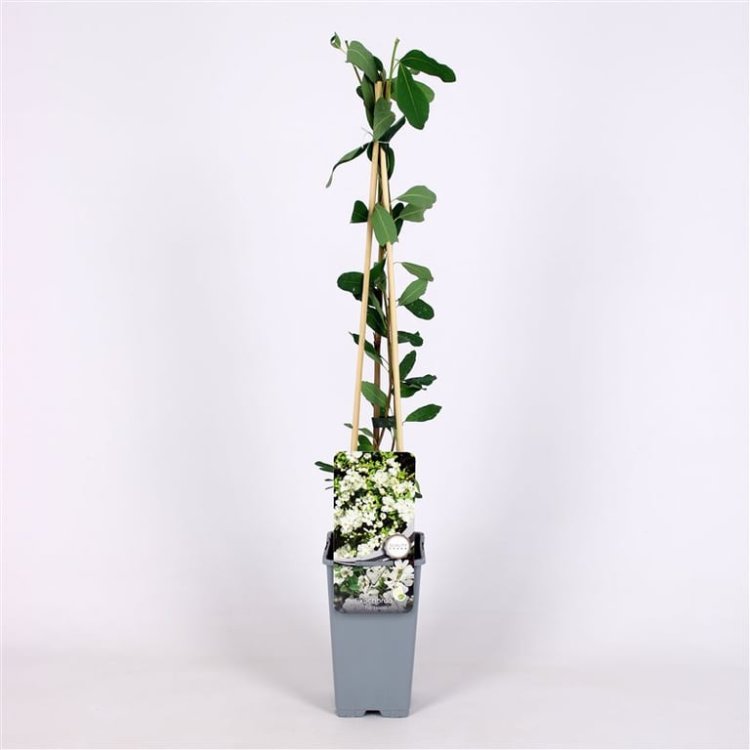
Exochorda ‘The Bride’ is a breathtaking deciduous shrub. It produces a spectacular display of pure white, pearl-like flowers on arching branches each spring. This cultivar is perfect for adding elegant beauty and attracting pollinators to UK gardens.
150 in stock
Exochorda ‘The Bride’: A Springtime Spectacle
Exochorda ‘The Bride’ is a stunning deciduous shrub. It is famed for its breathtaking display of pure white blossoms each spring. This truly spectacular garden feature captures the imagination.
Introducing Exochorda ‘The Bride’
This magnificent Exochorda ‘The Bride’ offers a dramatic visual spectacle. Gardeners often call Exochorda Pearl Bush, due to its pearl-like flower buds. This particular cultivar transforms into a cascade of pristine white flowers in late spring. It originates from Asia, specifically China and Korea. Horticulture then embraced it in the West. It quickly gained admiration for its vigorous growth and abundant flowering. Consequently, it has become a cherished addition to many UK gardens, offering reliable seasonal beauty.
The enchanting Exochorda ‘The Bride’ cultivar mesmerises gardeners. Delicate, pearl-like buds burst open into stunning white flowers. These exquisite blossoms emerge along the arching branches. This happens in late spring. They create a waterfall effect of pure white. The display thus brightens any garden space. Each individual flower typically features five petals. They gracefully unfurl, revealing a central cluster of yellow stamens. Therefore, they attract vital pollinators such as bees and butterflies.
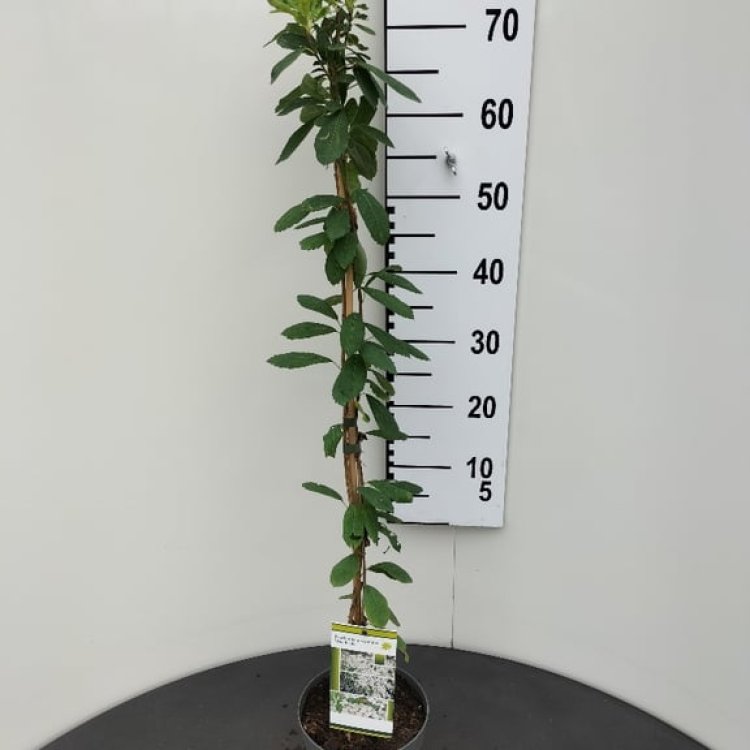
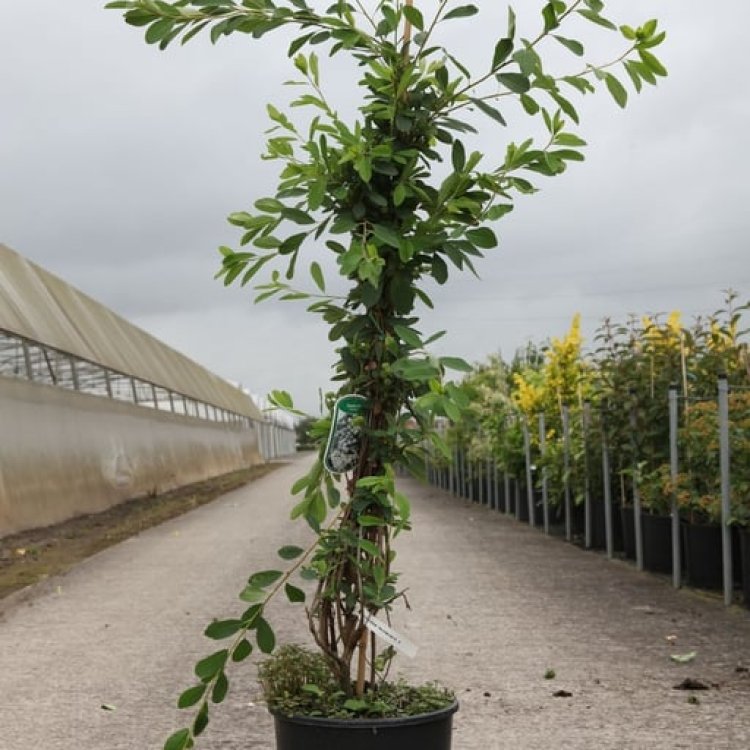
During spring and summer, the shrub presents fresh, vibrant green leaves. These elegant leaves are oval-shaped. They arrange neatly along the stems. This forms a dense and attractive canopy. As autumn approaches, the foliage transitions. It adopts subtle shades of yellow. Then, leaves fall away, marking its deciduous nature. This adds seasonal variation to the landscape. The plant then prepares for its spectacular return the following spring.
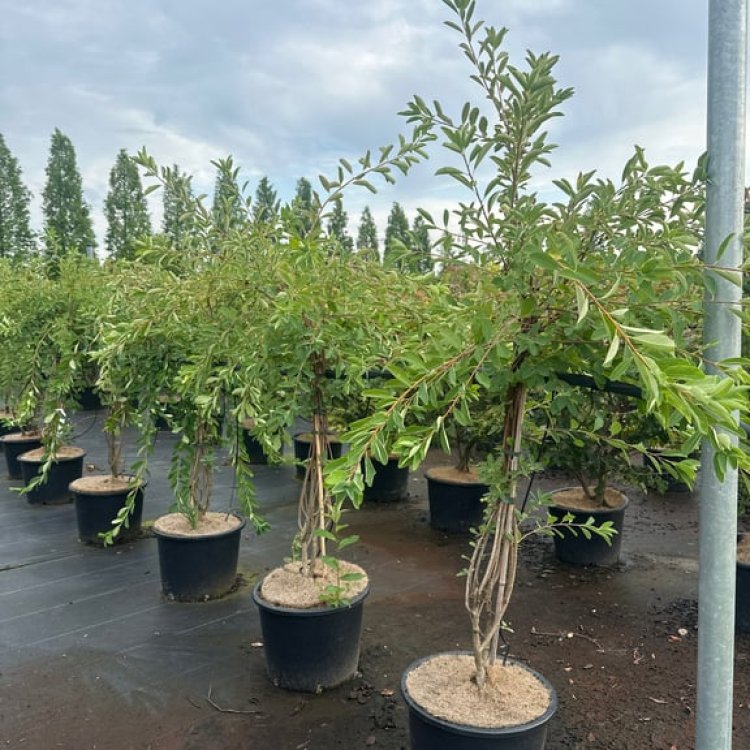
This remarkable shrub typically grows to an approximate height and spread of 2.5 metres. It forms an impressive yet manageable presence. Its elegant, arching habit fits beautifully into various garden settings. For example, gardeners often use Exochorda ‘The Bride’ as a magnificent specimen plant. This allows its full glory to shine. Additionally, it can form an informal flowering hedge. It also creates a striking backdrop within a mixed border. It provides structure and a burst of spring colour. The plant also offers lovely textural contrast when paired with other garden favourites.
Pruning Exochorda ‘The Bride’ is generally straightforward. It benefits from light pruning immediately after flowering. This practice helps maintain its shape. It also promotes vigorous new growth. Furthermore, it encourages a more abundant display of flowers the following year. Therefore, remove spent flower stems. Also, cut any dead or weak branches. This keeps the plant healthy and aesthetically pleasing. Thin out older, unproductive stems from the base. This step encourages younger, more floriferous wood to develop. This careful attention ensures the plant remains a vibrant focal point in your garden for many seasons.
The cultivar name, ‘The Bride’, perfectly captures the plant’s appearance. It evokes images of a bride adorned in white, flowing attire. This imagery reflects the graceful cascade of white flowers. They adorn the shrub, creating a timeless and romantic appeal. Ultimately, Exochorda ‘The Bride’ stands as a testament to nature’s artistry. It offers a generous display of beauty. It also contributes positively to garden ecosystems. It supports pollinator populations. Its enduring charm makes it a favourite for gardeners. They seek spectacular, reliable spring interest.
Very hardy. Tolerates temperatures typical of a continental winter.
Exochorda 'The Bride' thrives with minimal fuss once established. Provide regular watering during its first year, especially in dry spells, to ensure strong root development. After establishment, it becomes more drought-tolerant. A light feed with a general-purpose fertiliser in early spring will support vigorous growth and abundant flowering. Pruning is best performed immediately after the plant has finished flowering in late spring or early summer. Remove any dead, damaged, or weak stems, and thin out a few of the oldest branches from the base to encourage fresh, floriferous growth. Avoid heavy pruning in late autumn or winter, as this can remove next year's flower buds.
This plant is deciduous so it will lose all of its leaves in the autumn and get fresh new foliage each spring.