£4.73 – £7.09Price range: £4.73 through £7.09
Salix alba, the White Willow, is a fast-growing UK native tree. Its shimmering silvery leaves and early catkins provide year-round interest and vital support for pollinators. Ideal for damp spots, it adds elegance to any garden.
1632 in stock
Discover Salix alba, the majestic White Willow, a fast-growing deciduous tree that thrives beautifully in damp conditions across UK gardens.
Salix alba, commonly known as White Willow, is an iconic native British tree. It features rapid growth and an elegant form. This plant brings significant character to any landscape. Its distinctive silvery-white foliage shimmers beautifully in the breeze. This creates a captivating display. Often found near riverbanks and wetlands, White Willow offers aesthetic appeal and environmental benefits.
Salix alba, or White Willow, is a striking deciduous tree. Its botanical name, Salix, comes from Latin for willow. The epithet alba means ‘white’. This refers to the fine, silky hairs on its narrow leaf undersides. These hairs make the foliage shimmer, appearing silvery-white when stirred by wind. In the UK, it is often simply called White Willow.
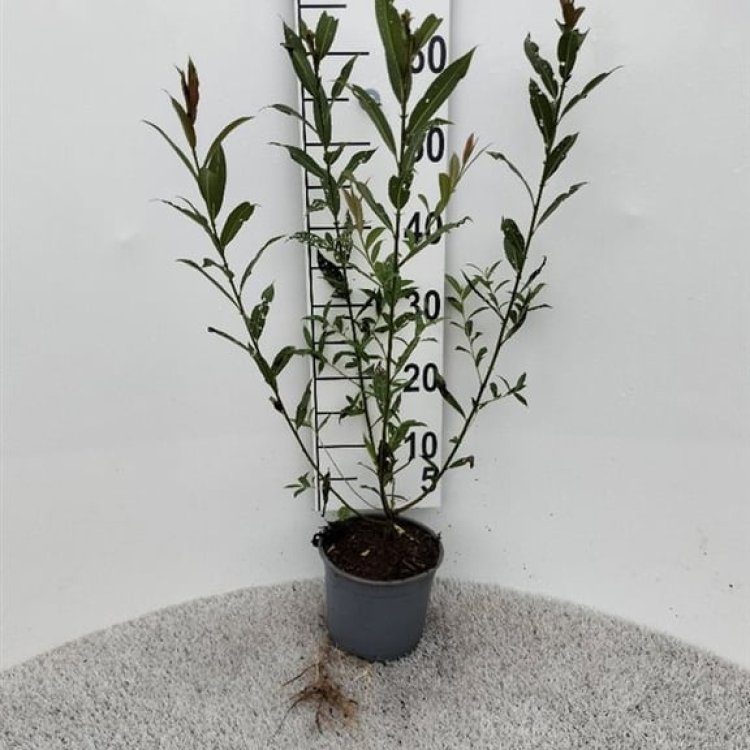
Salix alba‘s lance-shaped leaves emerge fresh and green each spring. They quickly develop distinctive silvery undersides. As summer progresses, this foliage provides a cool, visual contrast. Come autumn, the leaves turn soft yellow, providing seasonal interest before falling.
In early spring, typically April and May, White Willow produces catkins. These are often yellow-green. They offer an essential, early food source for many pollinators. Male and female catkins appear on separate trees, which ensures cross-pollination.
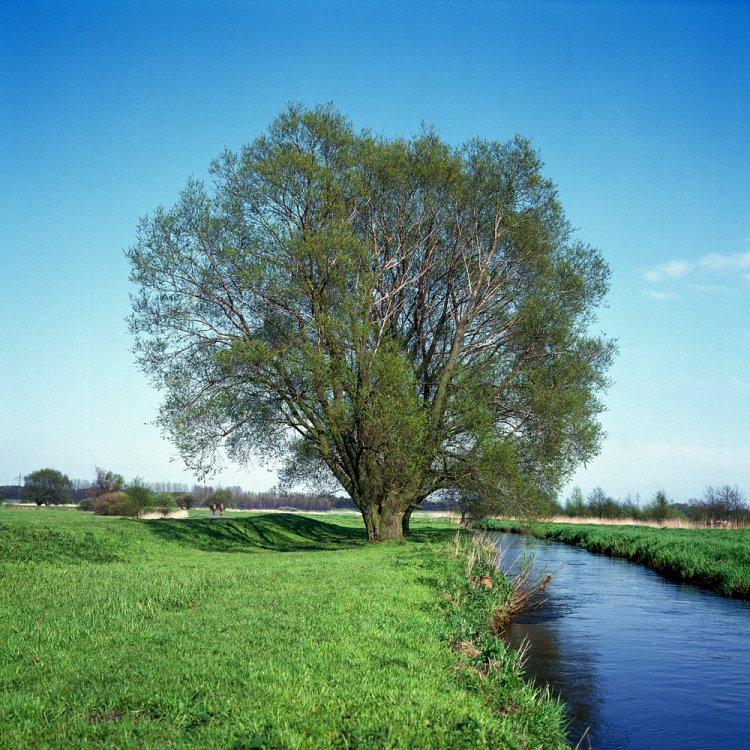
This adaptable tree excels in many garden settings. Salix alba suits planting near water, beside ponds, streams, or in boggy areas. Its robust root system effectively helps with bank stabilisation and erosion control. Gardeners can also use it as an impressive specimen tree in larger landscapes. It develops a natural, spreading habit.
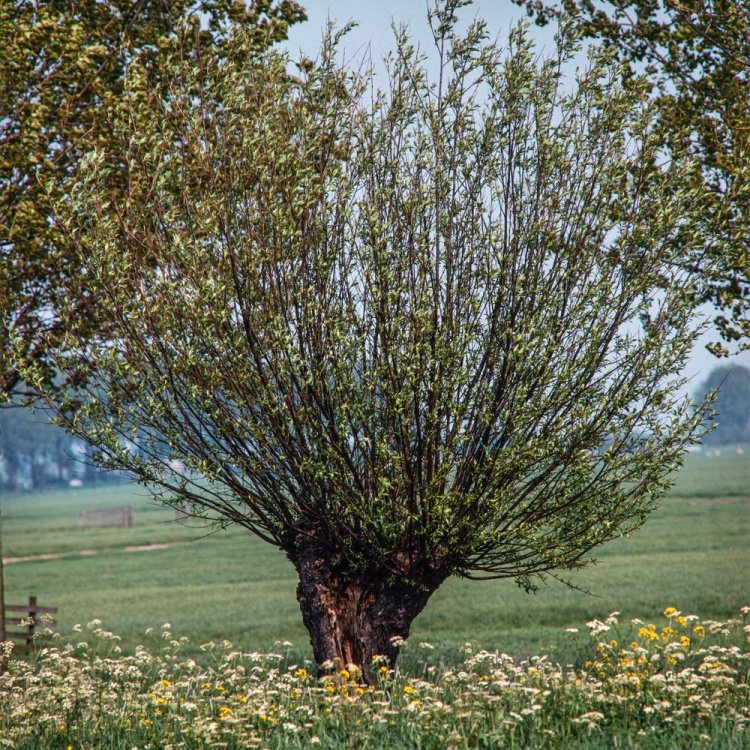
Furthermore, this species responds well to coppicing or pollarding. These techniques encourage vibrant, colourful new stems. It is popular for winter stem interest. Specific cultivars, such as Salix alba ‘Caerulea’, are even known as Cricket Bat Willow for their timber quality.
Salix alba stands as a vital resource for local wildlife. Its early spring catkins are among the first food sources available. Therefore, they are highly attractive to early emerging insects, including various species of bees and butterflies. The dense foliage and branching structure also provide valuable shelter and nesting sites for birds and small mammals. Planting a White Willow directly supports biodiversity within your garden and the wider ecosystem.
Hardy in the harshest UK conditions and below. Suitable for mountain regions.
Salix alba thrives in consistently moist to wet soil. Ensure adequate water, especially during dry periods when young. It is tolerant of various soil types but prefers loamy, well-draining conditions near water sources. Pruning is not always necessary if allowing a large specimen tree, but it responds very well to coppicing or pollarding in late winter/early spring to manage size, encourage colourful new stems, or promote denser growth. Remove any dead, diseased, or crossing branches as needed. Fertilisation is generally not required in good soil conditions.
This plant is deciduous so it will lose all of its leaves in the autumn and get fresh new foliage each spring.