£4.61 – £6.97Price range: £4.61 through £6.97
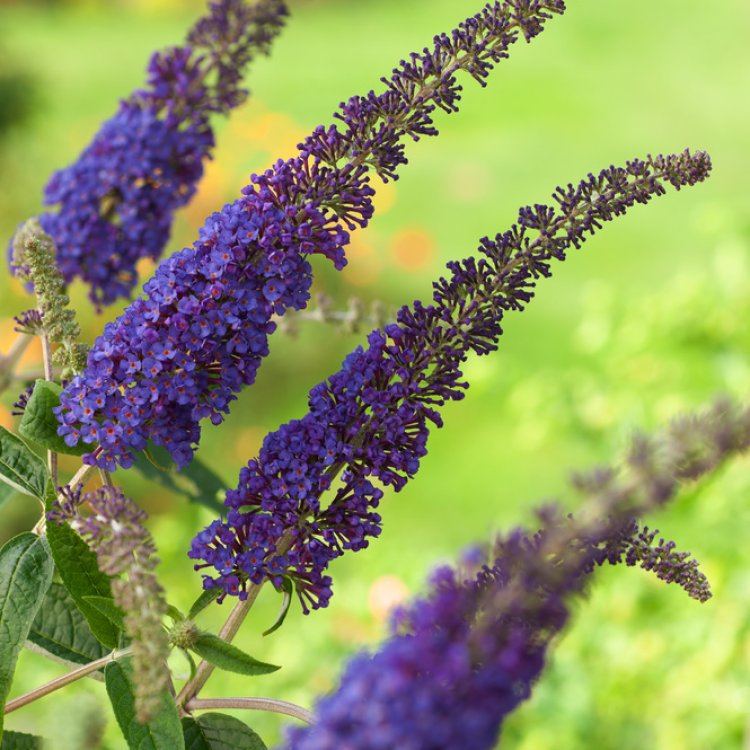
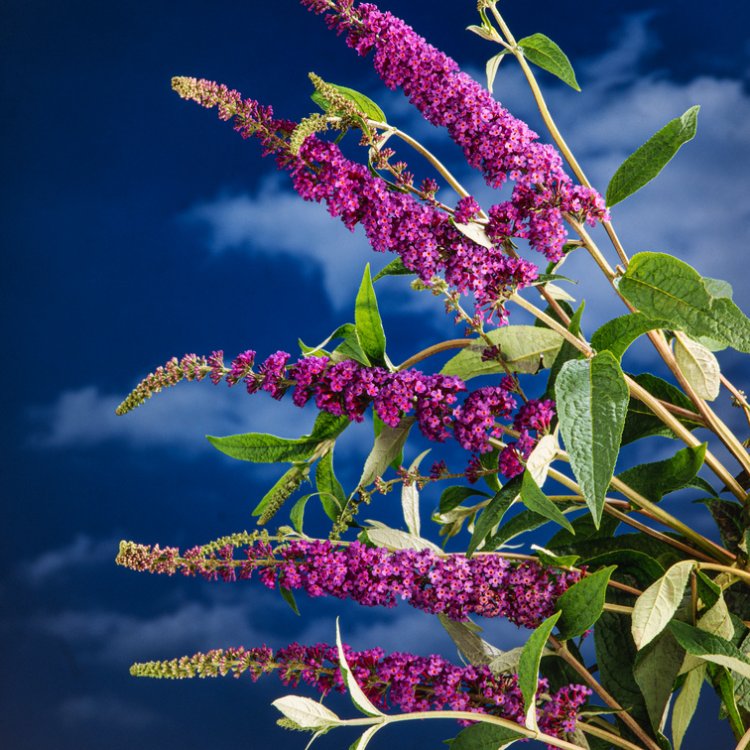
Buddleja davidii ‘Empire Blue’ is a magnificent Butterfly Bush, producing stunning violet-blue flowers that attract butterflies and bees all summer. This vigorous, deciduous shrub thrives in full sun, bringing vibrant colour and life to UK gardens.
966 in stock
Discover Buddleja davidii ‘Empire Blue’, a captivating shrub that fills your UK garden with vibrant violet-blue flowers and attracts a host of beneficial pollinators.
This splendid deciduous shrub, often called the Butterfly Bush, brings joy to any garden space throughout the summer. Its long, conical flower spikes create a dramatic visual impact. Adam Buddle, an English botanist, lent his name to the genus Buddleja, which originated from China and Japan. The ‘Empire Blue’ cultivar boasts particularly striking deep blue blooms. Furthermore, its easy-care nature makes it a popular choice for both new and experienced gardeners across the UK.
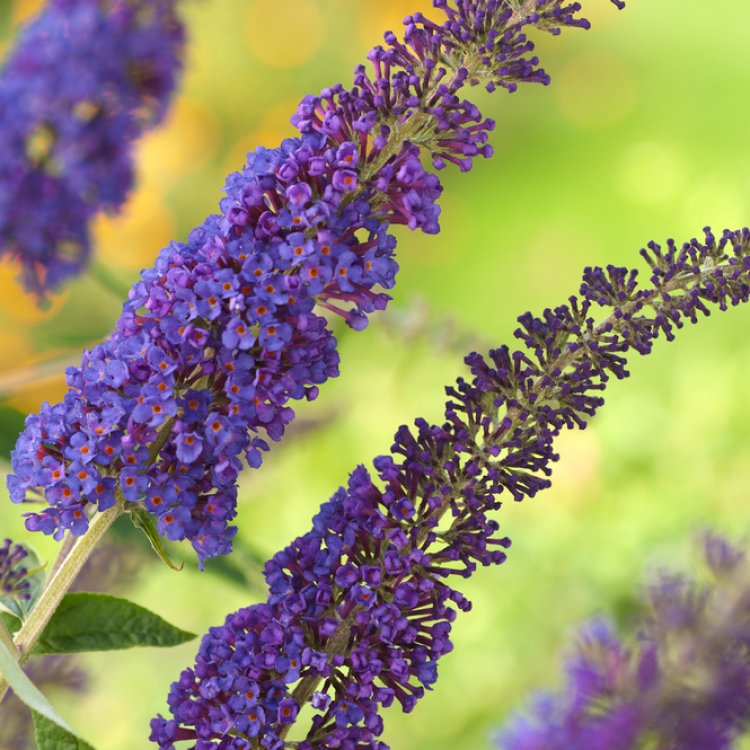
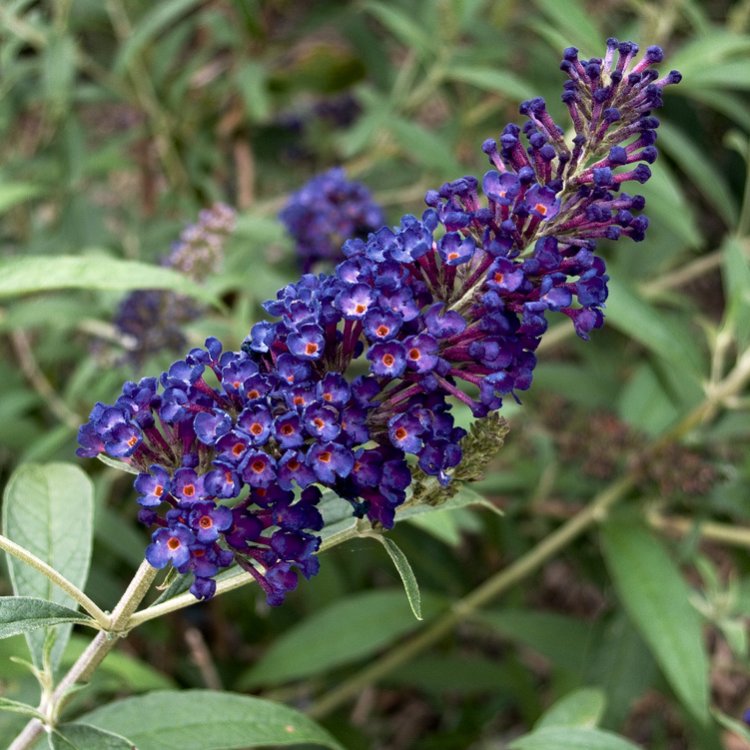
Buddleja davidii ‘Empire Blue’ offers a superb display of colour and life in the garden. This much-loved deciduous shrub produces abundant spikes of rich, violet-blue flowers. Each bloom cluster features a small orange eye, which adds a fascinating contrast. These beautiful flowers appear consistently from mid-summer, continuing right through into autumn. Consequently, they provide essential nectar for many garden visitors during these months.
The foliage of this Butterfly Bush contributes to its overall charm. It consists of lance-shaped leaves, green on the upper surface with a soft, silvery-grey underside. This creates an appealing texture in the border. Furthermore, the shrub develops a robust, arching framework. It typically grows into a substantial, rounded form, reaching heights and spreads of around two to three metres if left unpruned.
Buddleja davidii ‘Empire Blue’ stands out as an exceptional plant for wildlife. Indeed, its common name, Butterfly Bush, accurately reflects its main appeal. The nectar-rich flowers are an irresistible magnet for countless butterflies, including peacocks, red admirals, and tortoiseshells. Bees also frequent the blooms, collecting pollen and nectar diligently. Therefore, planting this Buddleja greatly enhances biodiversity in your outdoor space, turning your garden into a lively sanctuary.
Gardeners value this plant for its versatility. You can use it effectively in various settings, such as the back of a mixed herbaceous border, where its height adds structure. It also makes a magnificent informal hedge or a striking standalone specimen. The plant offers reliable performance year after year, establishing quickly.
Pruning is vital for maintaining its vigour and promoting generous flowering. We recommend hard pruning in early spring, just as new growth emerges. This encourages fresh growth and an abundance of new flower spikes, ensuring a spectacular seasonal show. This strong management also helps control the plant’s size within your garden design.
Very hardy. Tolerates temperatures typical of a continental winter.
Buddleja davidii 'Empire Blue' is relatively low-maintenance, thriving with minimal fuss. For the best floral display and to maintain a manageable size, perform a hard prune in early spring, typically around March in the UK. Cut back all stems to strong buds about 30-60cm from the ground. This encourages vigorous new growth and an abundance of the large, nectar-rich flowers. Water newly planted specimens regularly during their first growing season to ensure good establishment. Once established, they are quite drought-tolerant. A general-purpose fertiliser can be applied in spring to support healthy growth, though it is not strictly essential if your soil is reasonably fertile. Deadhead spent flowers through the summer to encourage more blooms and prevent self-seeding, especially if you wish to control its spread.
This plant is deciduous so it will lose all of its leaves in the autumn and get fresh new foliage each spring.