£27.77 – £30.13Price range: £27.77 through £30.13
Prunus incisa ‘Kojou-no-mai’, the charming Fuji Cherry, enchants UK gardens with early spring pale pink flowers on zig-zag branches. It offers vibrant autumn foliage and a compact habit, ideal for small spaces and attracting bees.
800 in stock
Discover the captivating beauty of Prunus incisa ‘Kojou-no-mai’, a truly enchanting Fuji Cherry cultivar that brings early spring charm to any UK garden.
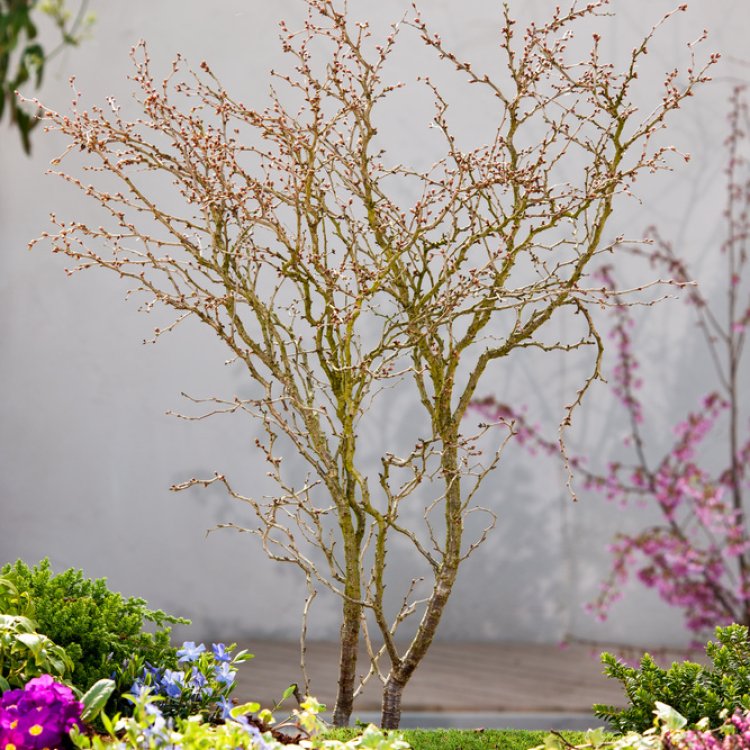
This delightful ornamental cherry is a favourite among gardeners. It offers a unique display across all seasons. Its compact size makes it perfect for smaller spaces. Furthermore, its graceful habit adds elegance to any landscape. The Prunus incisa ‘Kojou-no-mai’ cultivar is particularly noted for its distinctive zig-zagging branches. These create year-round visual interest.
The species name ‘incisa’ describes the ‘incised’ or deeply cut edges of its small leaves. Its cultivar name, ‘Kojou-no-mai’, translates from Japanese as ‘dance of butterflies’. This name perfectly captures the delicate, fluttering appearance of its numerous spring blossoms. This particular Fuji Cherry is a celebrated ornamental. It originates from Japan, where it thrives in mountainous regions. Here in the UK, it is highly valued for its robust nature.
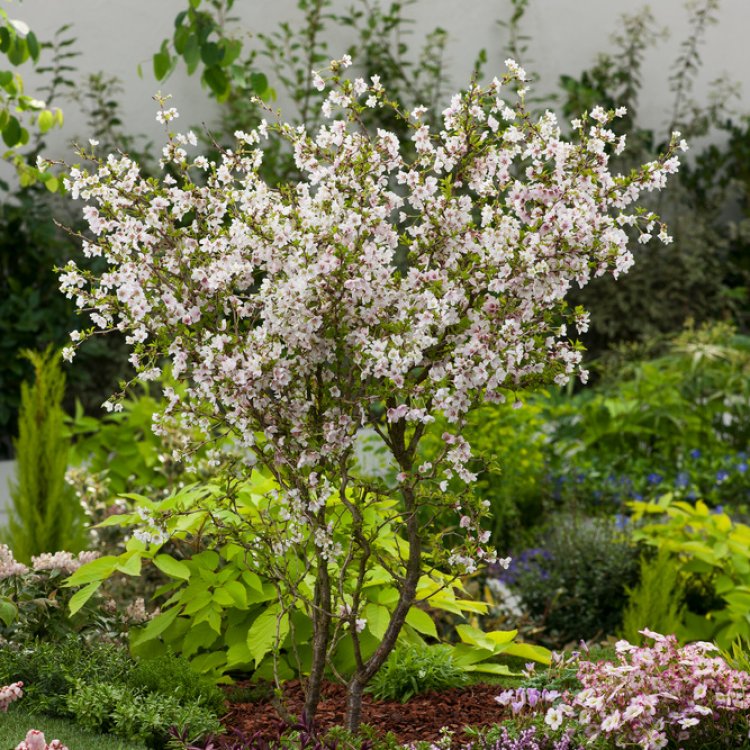
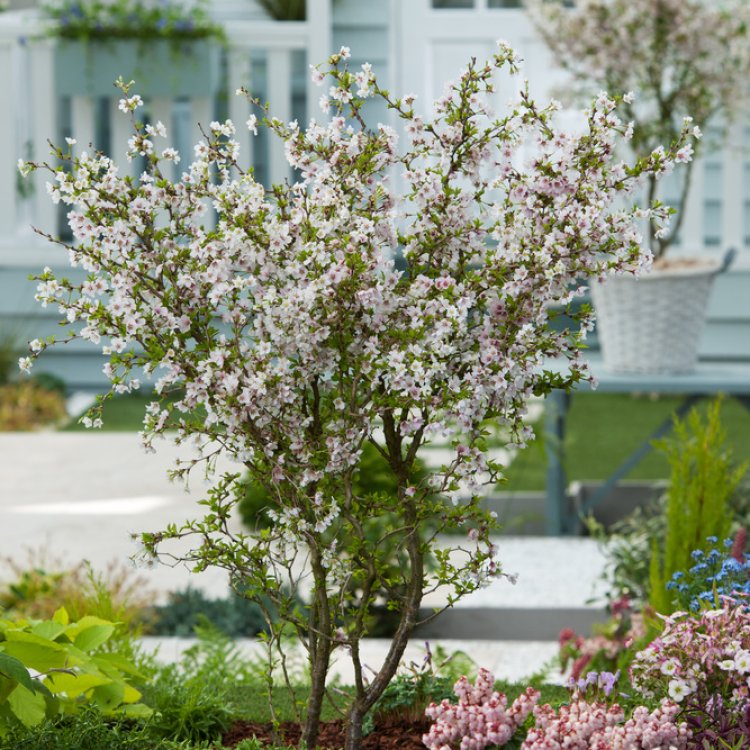
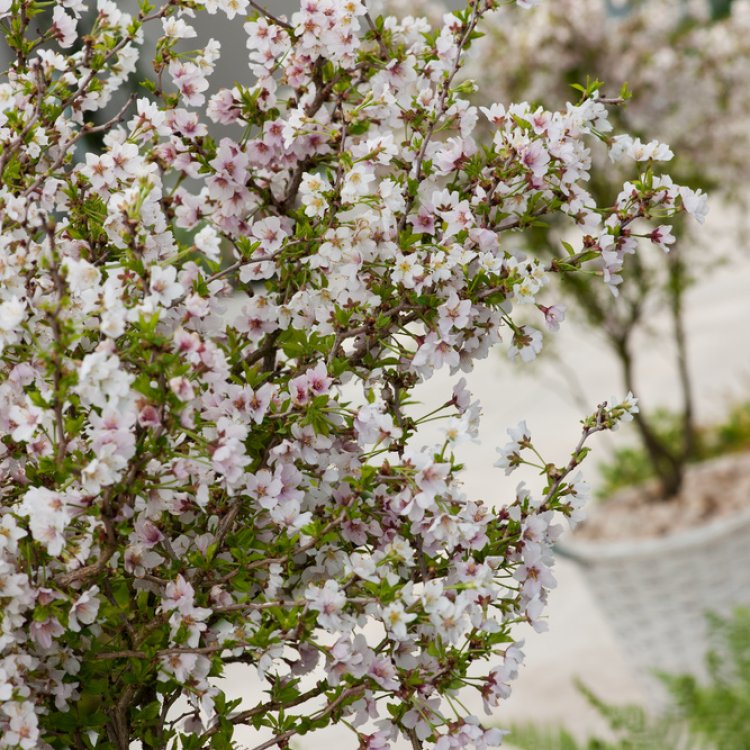
Early in the spring, often from late February, Prunus incisa ‘Kojou-no-mai’ bursts into bloom. Small, cup-shaped flowers emerge, typically before the leaves. These delicate blossoms feature a pale pink hue, fading to pure white as they mature. The flowers appear in clusters all along its unique branches. Soon after, fresh foliage emerges with an attractive bronze tint. This colour eventually deepens to a rich green during summer. As autumn approaches, the display continues. The leaves transform into spectacular shades of fiery orange and brilliant red. This offers a final burst of colour before winter.
This Fuji Cherry cultivar is a superb choice for various garden settings. Its compact and slow-growing nature makes it perfect for small UK gardens. It excels when planted in mixed borders. Additionally, it thrives in large patio pots or containers. This allows it to bring its seasonal charm to patios and balconies. The distinctive zig-zag branches of Prunus incisa ‘Kojou-no-mai’ also make it an excellent specimen plant. It can provide architectural interest throughout the winter months. Minimal pruning is generally required. Any shaping or removal of dead wood should occur after the flowering period concludes. Furthermore, its early blooms provide a vital nectar source for hungry bees. This helps support crucial pollinators as they emerge in early spring.
Very hardy. Tolerates temperatures typical of a continental winter.
Water thoroughly during the first growing season to establish. Apply a balanced, slow-release fertiliser in spring. Prune lightly after flowering to remove any dead, damaged, or crossing branches, and to maintain a desired shape. Mulch around the base with organic matter in late winter to suppress weeds and retain soil moisture. Protect from late frosts when in bloom if possible, though generally very hardy.
This plant is deciduous so it will lose all of its leaves in the autumn and get fresh new foliage each spring.