£13.88 – £16.24Price range: £13.88 through £16.24
Juniperus sabina, or Savin Juniper, is a resilient evergreen conifer forming dense, spreading ground cover. It offers year-round interest with aromatic foliage and subtle cones. This hardy plant thrives in sunny spots, perfect for challenging areas in UK gardens.
123 in stock
Discover Juniperus sabina, also known as Savin Juniper, a resilient evergreen conifer that offers year-round texture and structure to UK gardens. This adaptable shrub truly enhances diverse landscapes with its low-growing, spreading habit. Juniperus sabina brings a unique appeal, making it a favourite for gardeners seeking robust and attractive ground cover. Its dense foliage creates a striking visual impact throughout the seasons. This ensures continuous garden interest. Furthermore, Savin Juniper proves exceptionally tough, thriving in conditions where other plants might struggle. It’s an excellent choice for a low-maintenance, ornamental solution.
Juniperus sabina, commonly known as Savin Juniper, belongs to the diverse genus Juniperus within the cypress family, Cupressaceae. This particular species gains its name, “sabina,” from the Sabines, an ancient people. They inhabited a region of central Italy where the plant likely grew wild. Historically, different cultures have used the plant, although its toxic properties were often overlooked or misused. The genus name ‘Juniperus’ simply comes from the Latin term for juniper, highlighting its botanical lineage. This evergreen conifer displays a remarkable hardiness. It also tolerates various environmental challenges. This makes it a valuable addition to many garden designs.
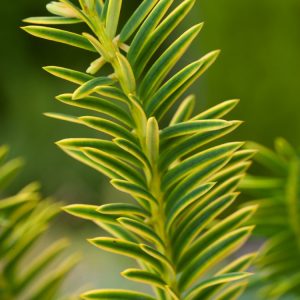
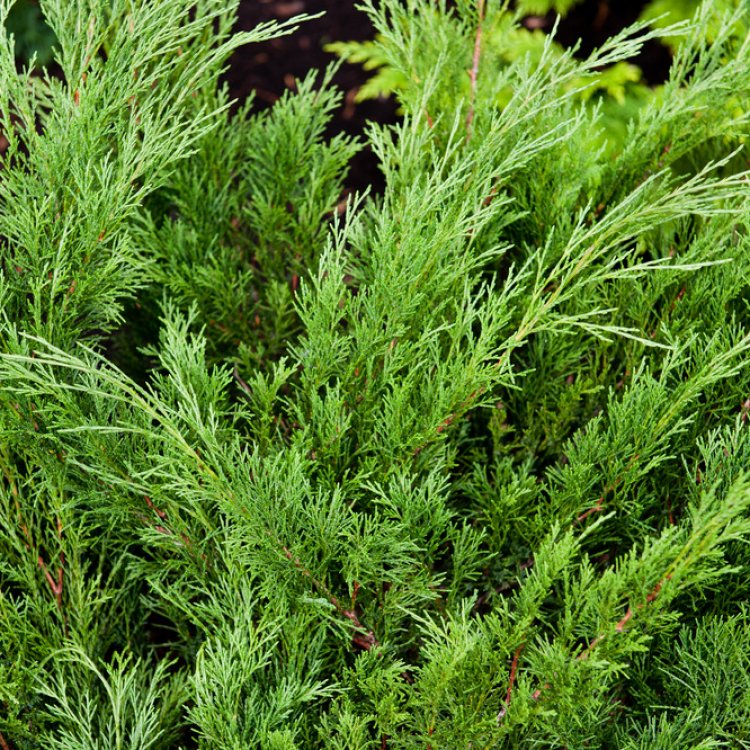
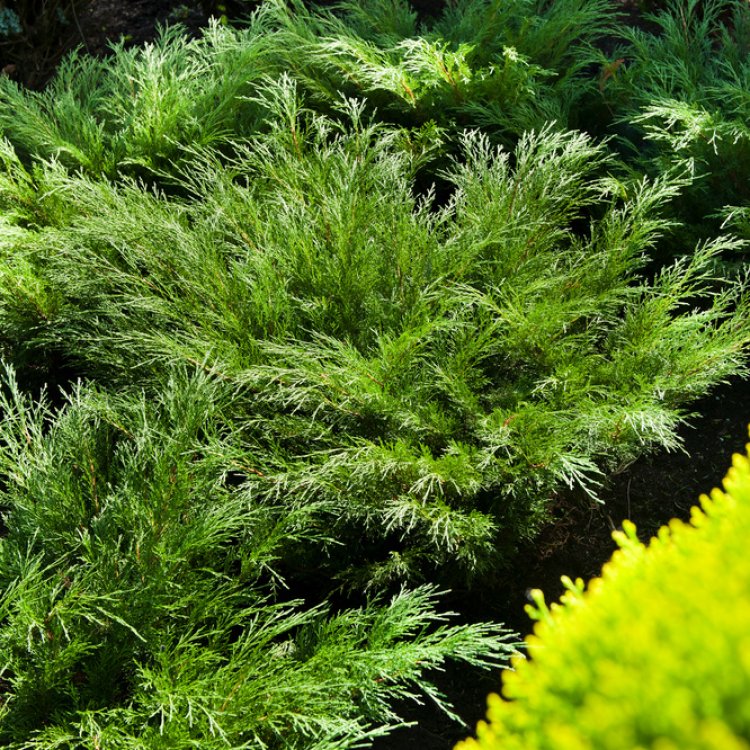
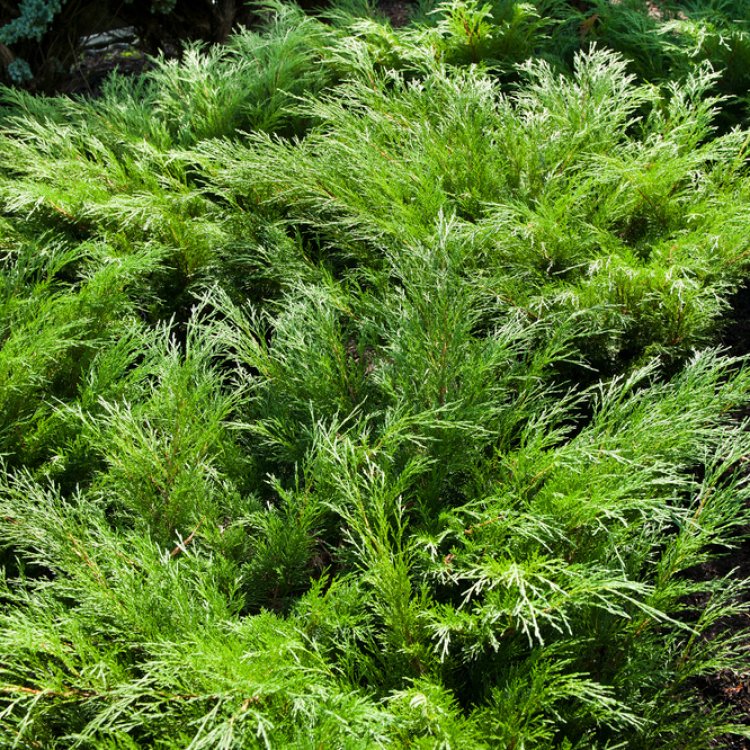
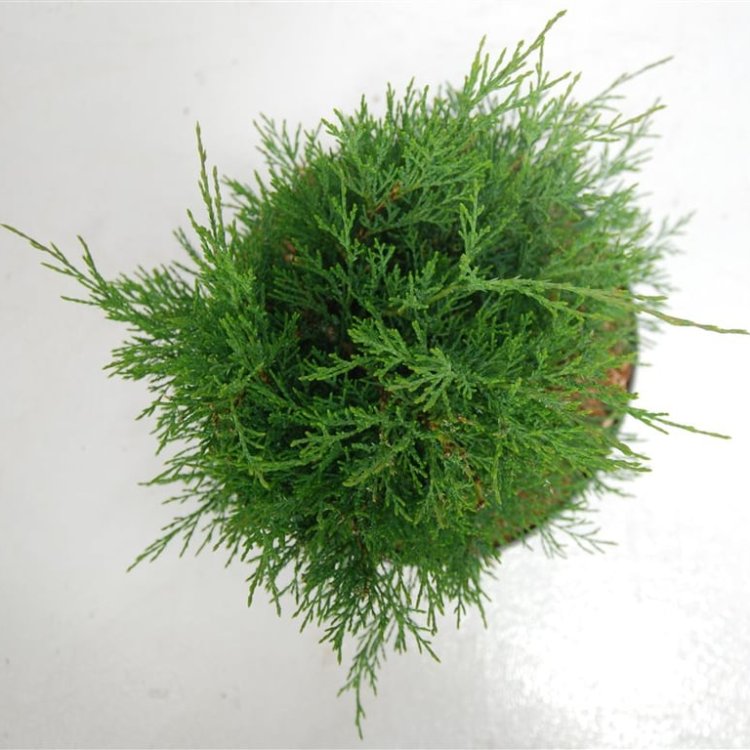
The foliage of Juniperus sabina is a significant feature. It typically presents as short, sharp, needle-like leaves on young plants. These gradually transition to tightly pressed, scale-like leaves as the plant matures. The leaves are usually a vibrant green colour, which deepens with age. Moreover, the foliage releases a distinctive, somewhat pungent aroma when crushed. This adds another sensory dimension to your garden. While its flowers are inconspicuous, female plants produce small, round, blue-black, berry-like cones. These cones offer visual appeal and can persist on the plant for extended periods, providing subtle winter interest.
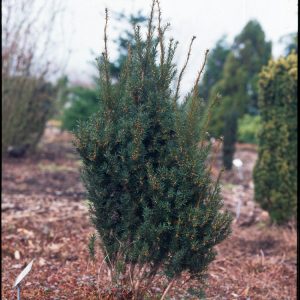
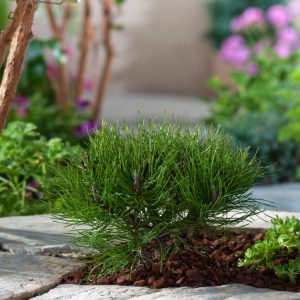
Gardeners highly value Juniperus sabina for its spreading growth habit. Therefore, it serves exceptionally well as an effective ground cover, stabilising slopes and preventing erosion. Its dense mat of foliage suppresses weeds, significantly reducing maintenance tasks. Many gardeners also use this plant in rockeries or as a low-growing informal hedge along borders. For example, it creates a neat, evergreen edge for pathways or flowerbeds. Furthermore, it performs wonderfully in urban gardens, tolerating pollution and drier conditions. This resilience makes it a prime candidate for difficult spots within the landscape. Minimal pruning is typically required. However, you can shape it to maintain its desired form or remove any dead branches.
Savin Juniper provides some ecological benefits. Its dense, low-growing form offers shelter for small garden wildlife throughout the year. Additionally, the berry-like cones, which mature in autumn, can attract certain bird species. Birds appreciate these cones as a food source, particularly during the colder months. Therefore, planting Juniperus sabina contributes to the biodiversity of your garden space. This sturdy conifer truly enriches the garden, providing both beauty and ecological support.
Hardy in the harshest UK conditions and below. Suitable for mountain regions.
Water newly planted Juniperus sabina regularly until established, typically for the first year. Once established, it becomes drought-tolerant, requiring minimal additional watering except during prolonged dry spells. Avoid overwatering, as junipers dislike constantly wet feet.
Generally, Savin Juniper does not require frequent feeding. A light application of a balanced granular fertiliser in spring can promote healthy growth, particularly in very poor soils. Ensure to follow product instructions.
Juniperus sabina requires little pruning. Remove any dead, damaged, or diseased branches as needed. You can lightly trim it to maintain its desired shape or to control its spread, ideally in late winter or early spring before new growth emerges. Avoid heavy pruning into old wood, as junipers may not regenerate foliage from these areas.
This conifer is relatively robust and resistant to most pests and diseases. Occasionally, it may be susceptible to aphids, spider mites, or juniper scale. Address these issues with appropriate organic or chemical treatments if they become problematic. Good air circulation helps prevent fungal issues.