£70.24 – £82.80Price range: £70.24 through £82.80
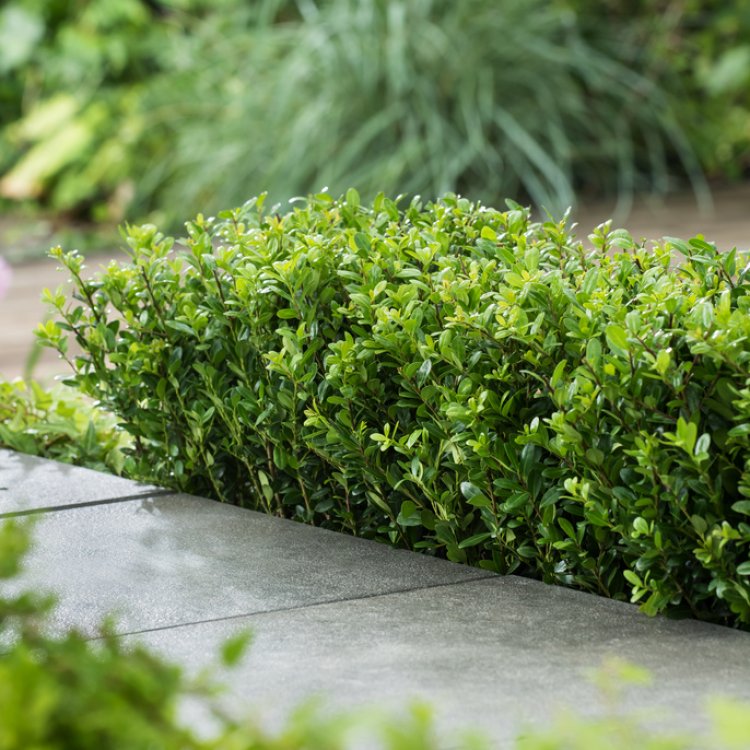
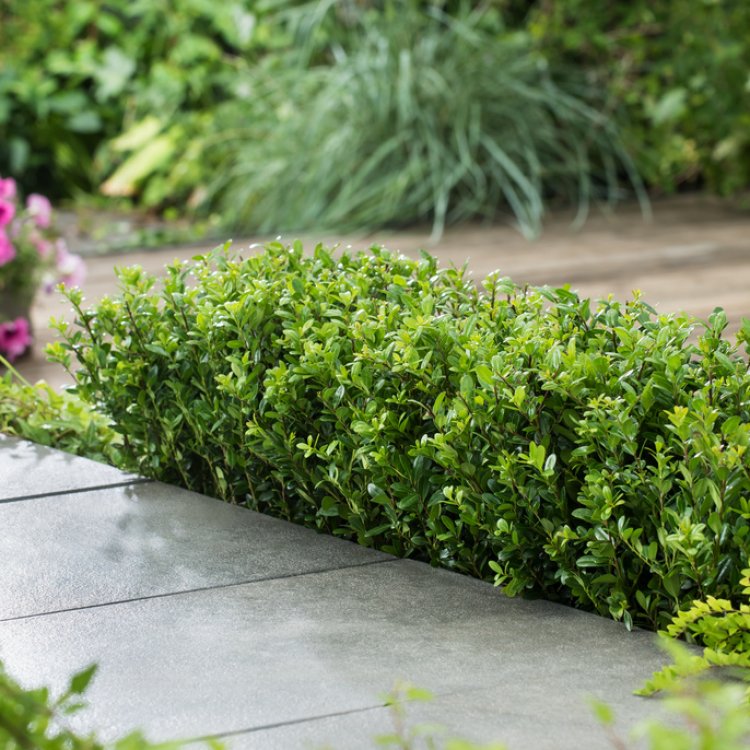
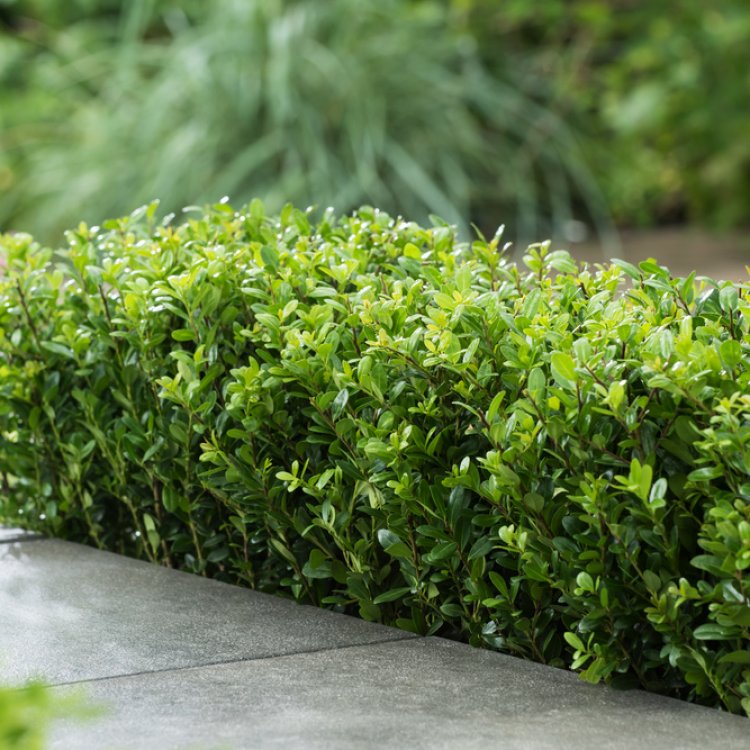
Ilex crenata ‘Caroline Upright’ is a distinguished Japanese Holly, offering a naturally upright evergreen form. Its small, glossy leaves make it an ideal, disease-resistant box substitute for formal hedging and topiary in UK gardens, providing year-round structure.
500 in stock
Ilex crenata ‘Caroline Upright’ offers a versatile and elegant solution for formal garden design, presenting a superb evergreen alternative to traditional box hedging.
This distinguished cultivar of Japanese Holly brings structure and year-round interest to any UK garden. It develops a naturally slender, upright form, making it a popular choice for gardeners seeking a sophisticated evergreen. Many appreciate its dense growth habit and small, glossy leaves. These features make it highly adaptable to various landscape needs. Its resilience and attractive appearance ensure it remains a garden favourite.
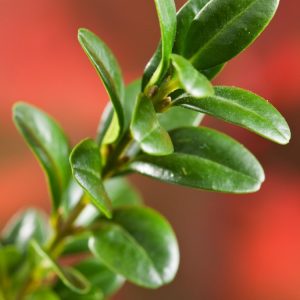
Ilex crenata ‘Caroline Upright’ belongs to the Holly family, yet it possesses a distinct appearance. Unlike the spiky leaves of typical hollies, its foliage is notably small and smooth. The species name ‘crenata’ describes its finely scalloped or crenate leaf margins. This specific cultivar earned the name ‘Caroline Upright’ due to its naturally narrow and erect growth habit. It grows steadily, forming a dense column of dark green, evergreen leaves.
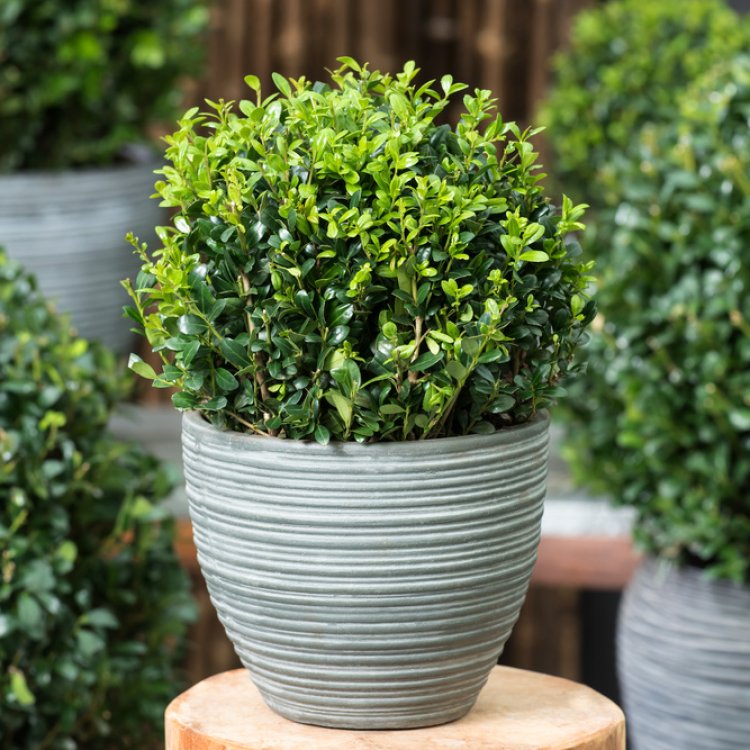
Gardeners value this Japanese Holly for its exceptional versatility. It acts as a superb substitute for Buxus sempervirens, which faces challenges from box blight and box tree moth. Its small, oval leaves maintain a neat and tidy appearance throughout the year. You can use it effectively for low, formal hedging, creating crisp garden edges. Furthermore, it excels as a specimen plant in pots, adding vertical interest to patios.
This plant also makes an ideal candidate for intricate topiary shapes. You can easily clip and sculpt Ilex crenata ‘Caroline Upright’ into various forms. Its dense branching structure responds well to regular shearing, allowing for precise control over its shape.
In late spring, small, creamy-white flowers appear. These are often modest and go unnoticed. Subsequently, if a male pollinator is present nearby, tiny black berries may develop. These berries offer a valuable food source for birds, adding to the garden’s wildlife appeal.
Overall, Ilex crenata ‘Caroline Upright’ provides a robust and beautiful evergreen solution for creating elegant garden structures. Its ease of maintenance and adaptable nature ensures its popularity. It thrives in various UK garden settings, bringing year-round greenery and form. This Japanese Holly certainly enhances any landscape design.
Very hardy. Tolerates temperatures typical of a continental winter.
When establishing, water Ilex crenata 'Caroline Upright' regularly, especially during dry spells. Prune this plant for shape and size, typically in late spring or early summer after flowering, which encourages dense growth for hedging or topiary. Apply a balanced, slow-release fertiliser in spring to support healthy growth. Ensure the soil remains well-drained and slightly acidic to neutral; amend alkaline soils with ericaceous compost if necessary. While generally robust, monitor for common pests like red spider mites or holly leaf miners.