£26.96 – £29.32Price range: £26.96 through £29.32
Sambucus nigra Black Lace is a stunning ornamental elder, boasting deeply dissected dark purple foliage and delicate pink summer flowers. This versatile shrub provides year-round drama, attracts wildlife, and thrives in UK gardens.
272 in stock
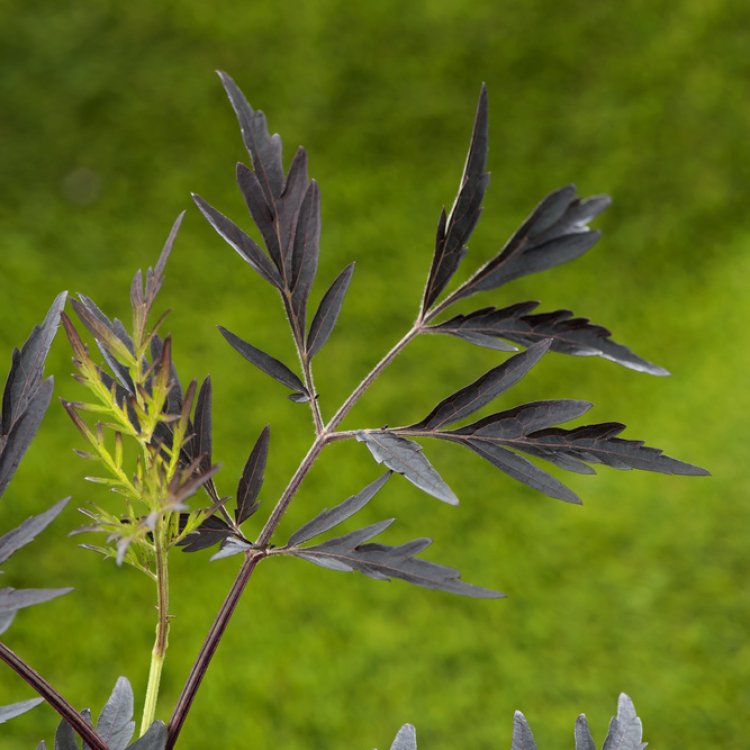
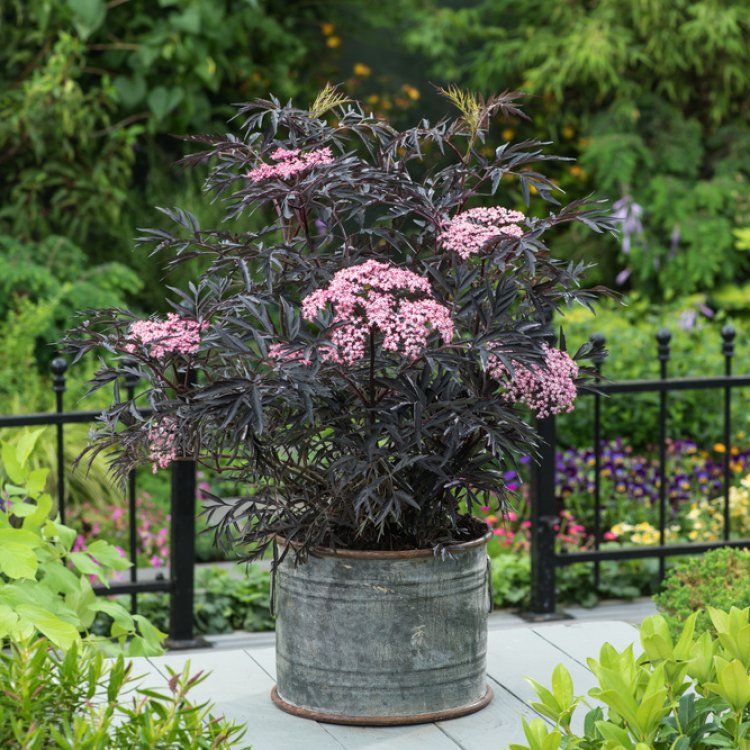
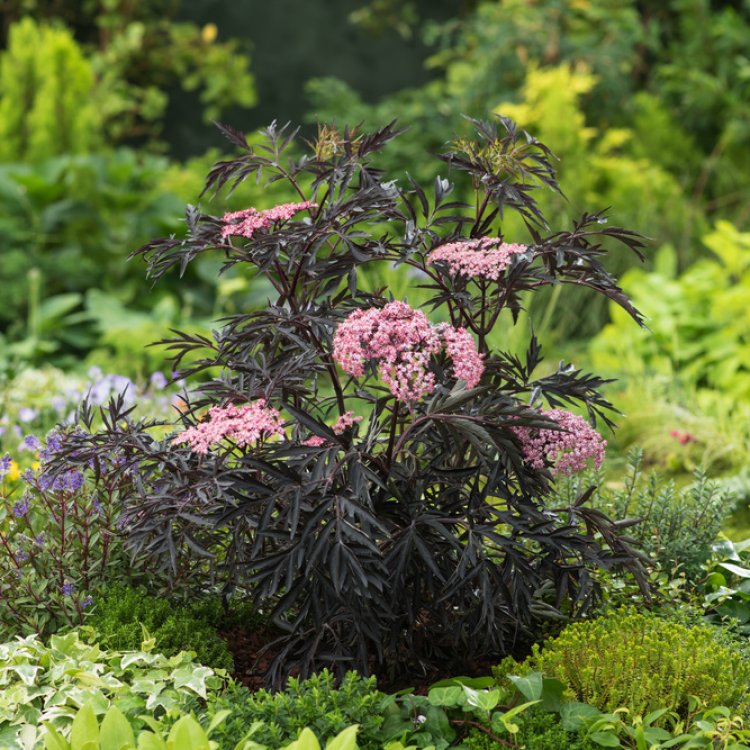
Experience the dramatic beauty of Sambucus nigra Black Lace, an ornamental elder famed for its deeply dissected, dark purple foliage and delicate pink flowers.
This striking cultivar, often referred to as Black Lace Elder, brings unparalleled elegance to UK gardens. Its unique appearance ensures it stands out, creating a focal point in any planting scheme. Gardeners appreciate its robust nature and the stunning seasonal interest it offers, from intricate leaves to vibrant summer blooms. Furthermore, it easily adapts to various garden styles, making it a versatile choice for many enthusiasts.
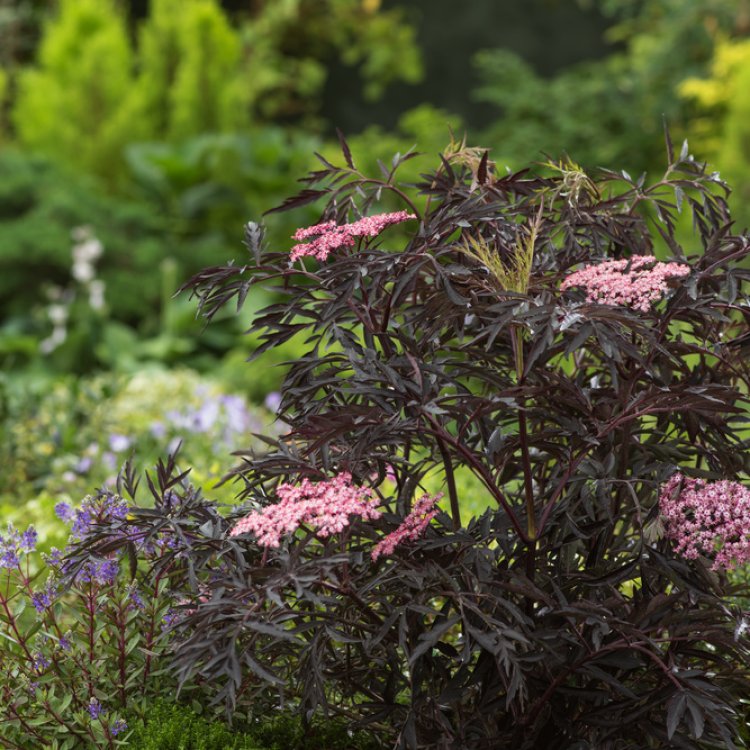
Sambucus nigra Black Lace is a magnificent ornamental form of the common elder. Breeders developed this specific cultivar for its exceptional foliage and flower display, giving it the distinctive ‘Black Lace’ name. This name perfectly captures the deeply cut, fern-like leaves which possess a rich, dark purple, almost black, hue. These leaves provide a striking contrast against lighter green plants, adding depth and sophistication to garden designs.
The foliage truly defines Sambucus nigra Black Lace. Its leaves emerge with a vibrant dark colour in spring, holding their intense shade throughout the summer. Subsequently, they may take on reddish tones in autumn before falling. In early summer, flat clusters of delicate, lacy pink flowers appear, creating a beautiful spectacle. These blossoms carry a subtle, sweet fragrance and attract a variety of pollinating insects. Following the flowers, clusters of small, black, glossy berries develop, providing an important food source for birds, especially as the season progresses.
Gardeners widely use Black Lace Elder as a dramatic specimen plant, allowing its distinctive form to shine. Alternatively, you can plant it within mixed borders to create textural contrast or employ it as an informal screening plant. Its adaptable nature means it suits both modern and traditional garden settings. Regular pruning helps maintain its shape and encourages dense, colourful foliage. You can prune it hard in late winter or early spring to rejuvenate the plant and promote strong, fresh growth, which often displays the best foliage colour. This practice also helps manage its size effectively.
Sambucus nigra Black Lace greatly benefits local wildlife. Its summer flowers attract bees, butterflies, and other beneficial insects, supporting garden biodiversity. Later in the year, the plant produces abundant dark berries. Many bird species, including thrushes and blackbirds, readily consume these berries, making the plant a valuable addition to wildlife-friendly gardens. Therefore, by including this elder, you contribute to a thriving ecosystem.
Very hardy. Tolerates temperatures typical of a continental winter.
Sambucus nigra Black Lace requires relatively low maintenance. Plant it in a spot with full sun to partial shade and ensure the soil is moist but well-drained. While adaptable to various soil types, enriching the soil with organic matter upon planting will promote stronger growth. Water regularly during dry spells, especially in its first year, to help establish its root system. To encourage the best foliage colour and a bushy habit, prune hard in late winter or early spring, cutting back to strong buds or older wood if needed. Remove any dead, damaged, or crossing branches to maintain plant health and an open structure. Feeding with a general-purpose fertiliser in spring will also support vigorous growth. Protect younger plants from harsh winds until established.
This plant is deciduous so it will lose all of its leaves in the autumn and get fresh new foliage each spring.