£45.36 – £47.02Price range: £45.36 through £47.02
Magnolia ‘Daphne’ boasts vibrant, tulip-shaped yellow flowers, gracing UK gardens in early spring before its leaves appear. This deciduous tree offers elegant upright form and adds architectural beauty. It also provides early nectar for bees, enhancing garden life. A truly radiant garden addition.
13 in stock
Discover Magnolia ‘Daphne’, a stunning deciduous tree bringing early spring radiance to UK gardens with its vibrant yellow, tulip-shaped blooms.
For many British gardeners, spring means new growth and colour. Magnolia ‘Daphne’ offers a spectacular display among the season’s earliest heralds. This exquisite deciduous tree boasts glorious upright yellow flowers. They emerge before its foliage. This creates an unforgettable spectacle, transforming any garden space. Gardeners widely appreciate its compact habit and vibrant impact.
Magnolia ‘Daphne’ impresses with its intensely coloured yellow flowers. This distinguished cultivar originated from a cross involving Magnolia acuminata ‘Miss Honeybee’ and Magnolia denudata ‘Sawada’s Cream’. Breeders aimed for strong yellow tones and excellent garden performance. The resulting plant was truly remarkable, receiving the name ‘Daphne’. It honours its delicate yet robust beauty.
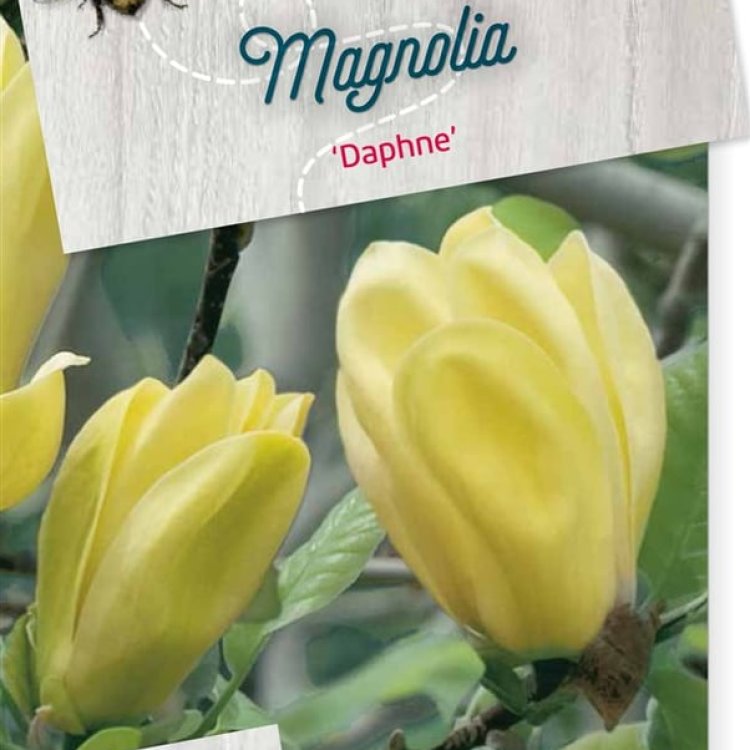
Each spring, typically from April to May, Magnolia ‘Daphne’ unveils its spectacular display. Large, goblet-shaped blooms emerge on bare branches. They boast a deep, butter-yellow hue. Often, a hint of orange or lime green develops near the base. These striking flowers emit a subtle, pleasant fragrance.
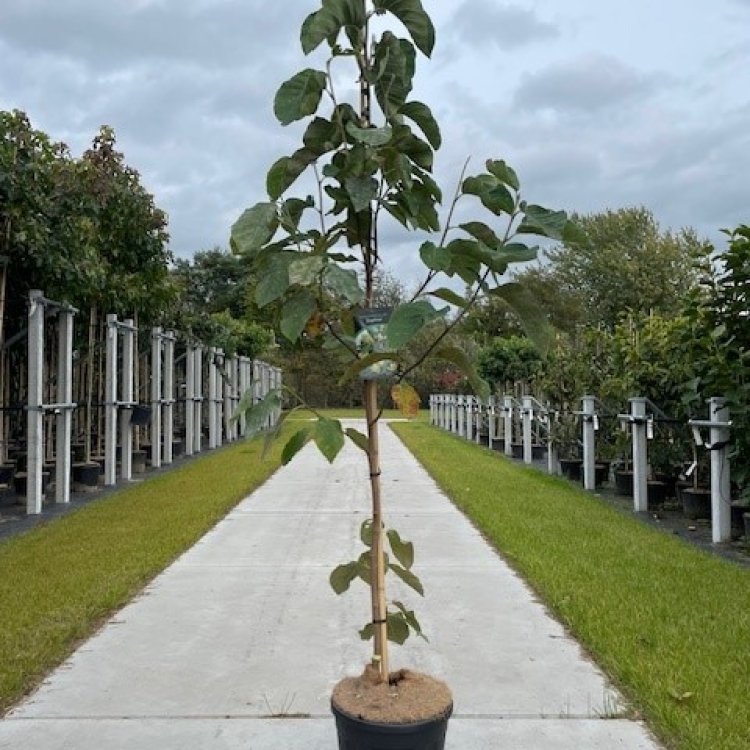
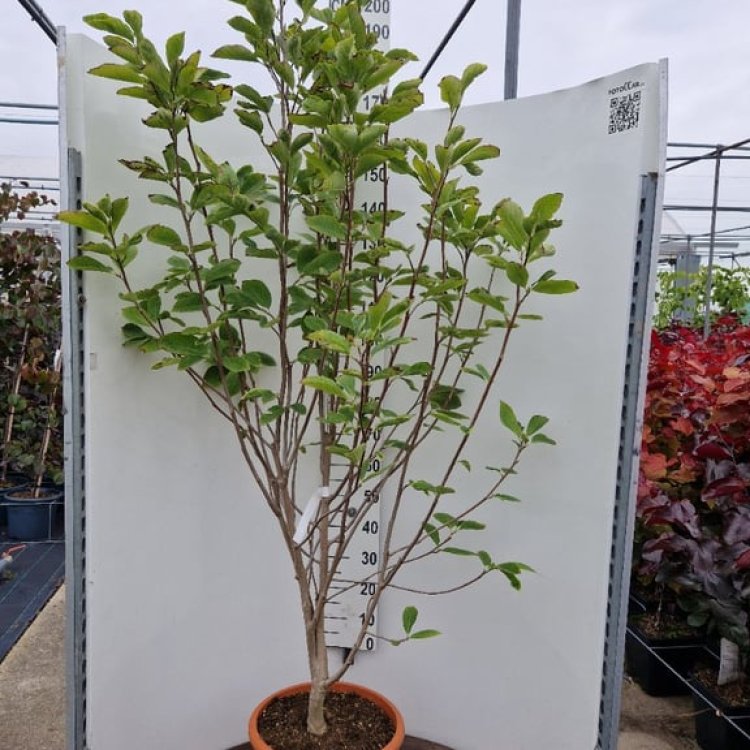
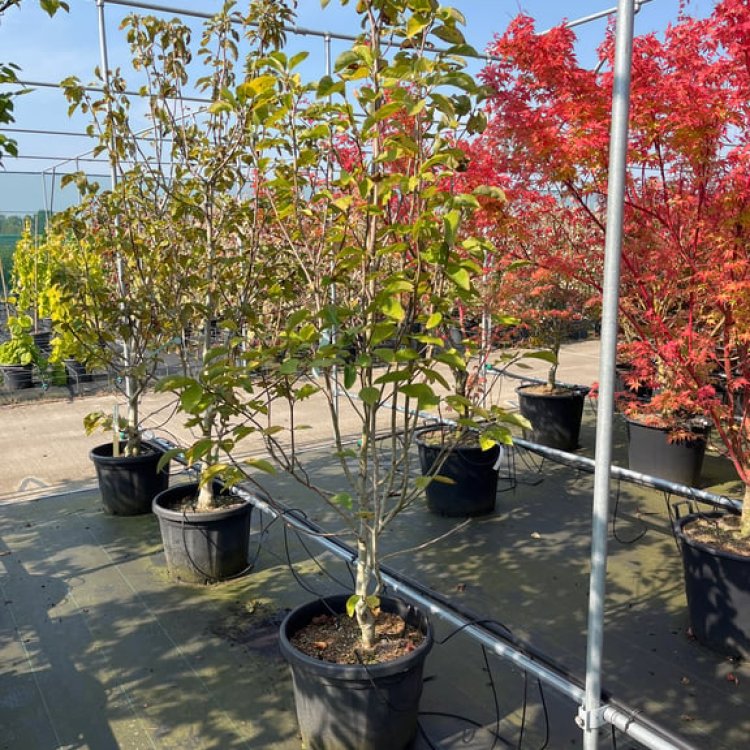
Soon after flowering, lush green leaves unfurl. They create a dense canopy. This provides welcome shade throughout summer. The deciduous nature means its leaves fall in autumn. This prepares the tree for another stunning spring show.
Gardeners often plant Magnolia ‘Daphne’ as a magnificent specimen tree. Its elegant, upright form suits smaller gardens or urban courtyards well. You can use it as a focal point in a lawn. It also looks great at the back of a large border. It provides excellent vertical interest.
Furthermore, its early flowers offer a vital food source for early emerging bees. This plant supports garden biodiversity, enhancing the local ecosystem. Magnolia ‘Daphne’ also works effectively in mixed shrub borders. It adds seasonal drama and structure.
This magnolia generally requires minimal pruning. You should only remove dead, damaged, or crossing branches. Complete any necessary pruning immediately after flowering. This avoids cutting off next year’s blooms. Always use clean, sharp tools to ensure healthy cuts and promote vigorous growth.
Very hardy. Tolerates temperatures typical of a continental winter.
Ensure consistent moisture for Magnolia 'Daphne', especially during establishment and dry spells. Apply a balanced, slow-release fertiliser in spring to support vigorous growth. An organic mulch around the base helps retain soil moisture and suppress weeds. Prune minimally, focusing on removing dead, damaged, or crossing branches immediately after flowering to preserve next year's blooms. Formative pruning can help young trees establish a strong central leader. Protect the tree from strong, cold winds, particularly in exposed garden sites, to prevent damage to its delicate early flowers.
This plant is deciduous so it will lose all of its leaves in the autumn and get fresh new foliage each spring.