£10.39 – £12.74Price range: £10.39 through £12.74
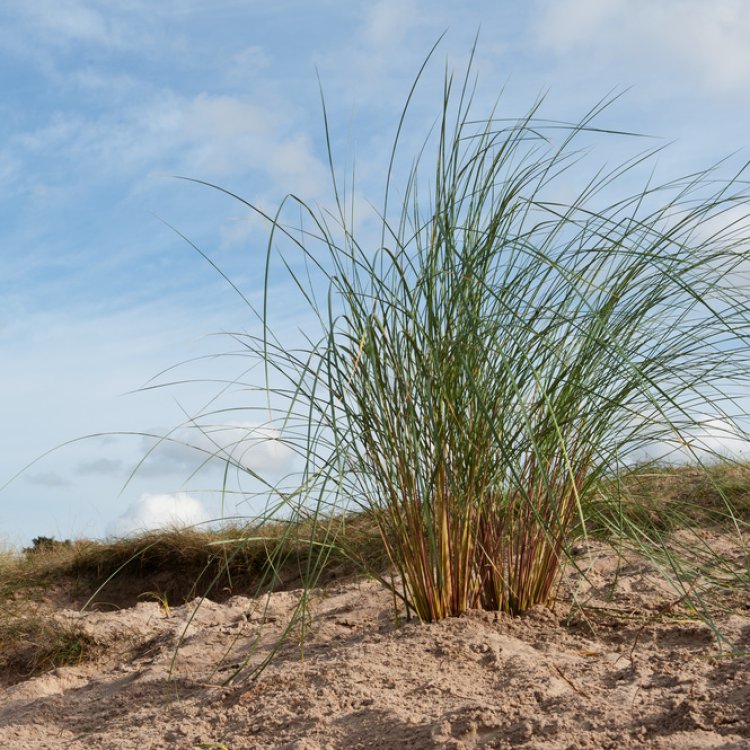
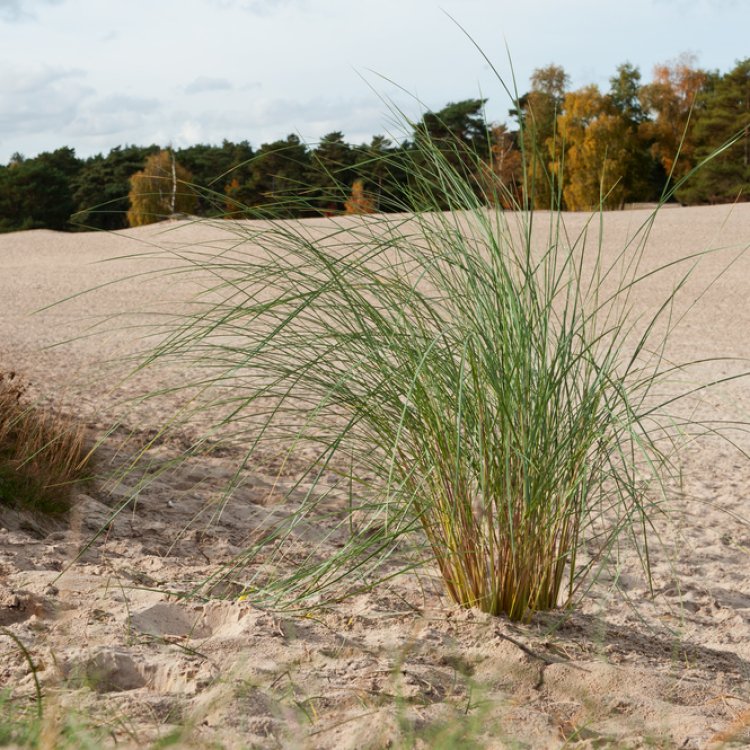
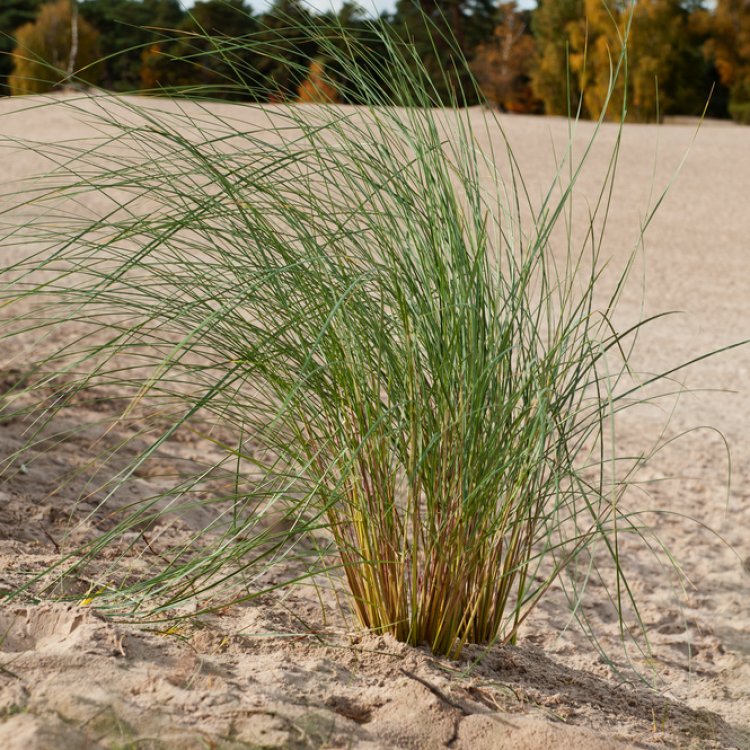
Ammophila arenaria, or Marram Grass, is a robust, sand-loving perennial perfect for UK coastal gardens. It thrives in full sun and sandy soils, forming dense clumps of grey-green foliage with elegant summer flower spikes.
73 in stock
Discover Ammophila arenaria, commonly known as Marram Grass, a resilient native British plant. It is perfect for coastal gardens and challenging sandy soils. This vigorous grass offers unique texture.
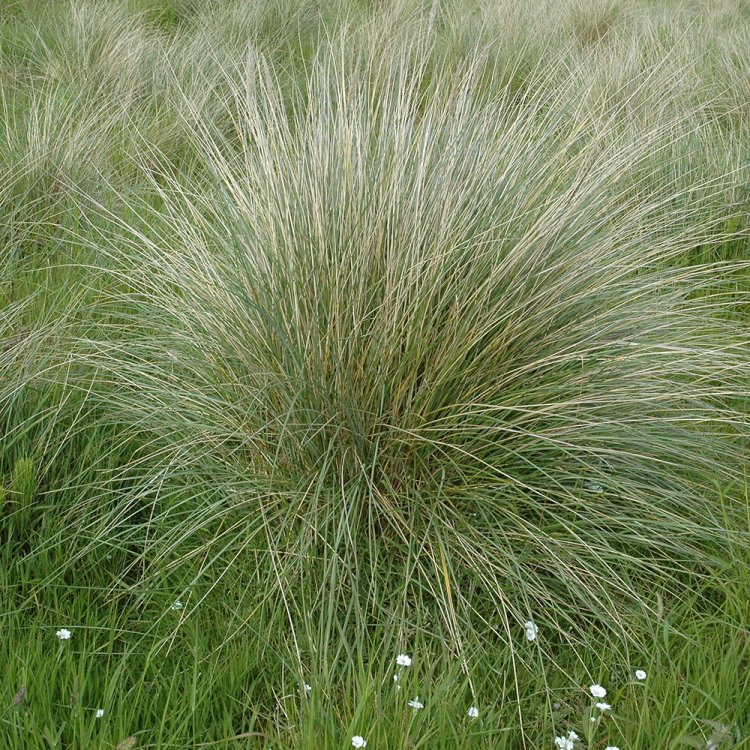
Ammophila arenaria is an impressive perennial grass. It is renowned for its vital role in stabilising sand dunes along our coastlines. Its botanical name, derived from Greek ‘ammos’ (sand) and ‘philos’ (loving) combined with Latin ‘arena’ (sand), clearly indicates its natural habitat. This “sand-loving” plant forms dense, upright clumps, displaying stiff, grey-green leaves. It brings a wild, naturalistic feel to any garden, especially in exposed locations. Marram Grass thrives where other plants struggle, therefore making it an excellent choice for a low-maintenance, robust display.
Ammophila arenaria truly defines resilience within the plant kingdom. This robust perennial grass is indispensable for its ecological function. It adeptly binds shifting sands with its extensive rhizomatous root system. Therefore, it proves invaluable for dune stabilisation.
Furthermore, its upright, stiff foliage offers year-round interest. The leaves are a beautiful muted grey-green. This provides a subtle yet strong presence within the landscape. During the summer months, specifically from June through to August, Ammophila arenaria produces striking, pale, cylindrical flower spikes. These distinctive plumes rise gracefully above the foliage, adding vertical accent and swaying gently in the coastal breeze.
For gardeners, Marram Grass presents a superb solution for difficult sites. It excels particularly in seaside gardens and exposed areas. Strong winds and salt spray might deter other plants here. Although it spreads via underground rhizomes, this controlled spread is often desirable. It creates naturalising effects or effectively covers large sandy banks.
Regular pruning is not typically required for Ammophila arenaria. Instead, gardeners simply clear away any old, withered foliage in early spring. This encourages vibrant new growth. While this plant is not a primary food source for pollinators like bees or butterflies, its dense growth provides excellent shelter and nesting opportunities for various small creatures. Consequently, it contributes significantly to local biodiversity.
Consider using Ammophila arenaria to create textural displays or to define edges in a contemporary garden. It also helps establish a natural barrier against erosion. This plant makes a bold statement with minimal effort.
Very hardy. Tolerates temperatures typical of a continental winter.
Ammophila arenaria is exceptionally low-maintenance. Once established, it is drought-tolerant and requires minimal watering. No regular pruning is necessary. Simply tidy away any old, dead, or withered foliage in early spring before new growth emerges. This helps to keep the plant looking fresh and vigorous. Avoid rich, fertile soils as this plant thrives in poor, sandy conditions.