£18.04 – £20.39Price range: £18.04 through £20.39
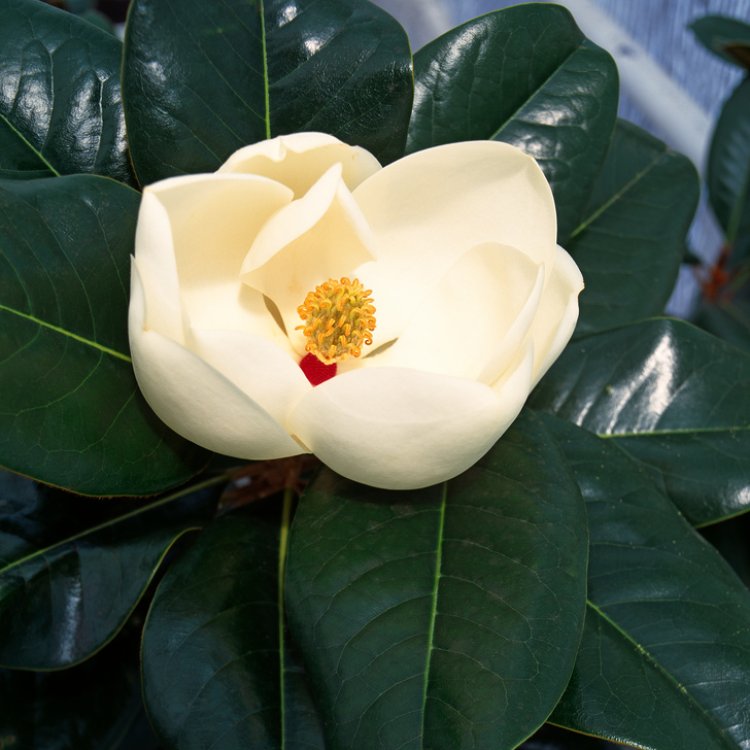
Magnolia grandiflora, the Southern Magnolia, is an evergreen tree offering large, fragrant white blooms from late spring to late summer. Its glossy, dark green leaves with rusty undersides provide year-round interest, making it a sophisticated choice for UK gardens.
37 in stock
Discover the majestic Magnolia grandiflora, an evergreen tree celebrated for its magnificent, fragrant white blooms and handsome glossy foliage, bringing year-round elegance to UK gardens.
Known widely as the Southern Magnolia or Bull Bay, Magnolia grandiflora is a plant of exceptional beauty. This remarkable evergreen tree is a true garden showstopper, offering a sophisticated presence throughout the year. Originating from the southeastern United States, it thrives in a sheltered position within UK landscapes. Its striking appearance and delightful fragrance make it a cherished addition to any garden design. Moreover, it provides a valuable habitat and food source for local wildlife.
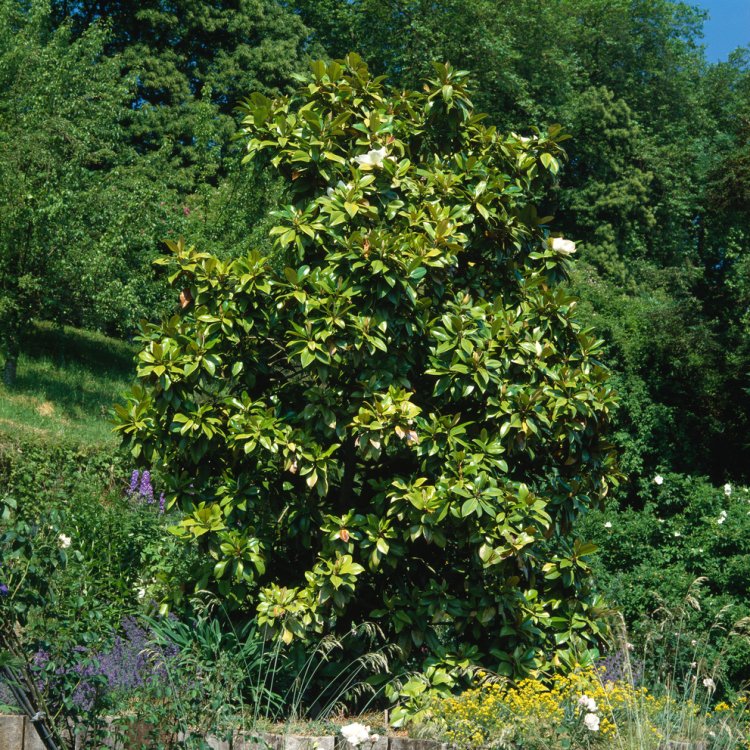
Carl Linnaeus first named this species in 1759, honouring French botanist Pierre Magnol. Its Latin specific epithet ‘grandiflora’ aptly means ‘large-flowered’. This is a perfect description for its impressive blooms. Growing as a majestic tree, it develops a broad pyramidal or rounded crown, adding significant structure to a garden.
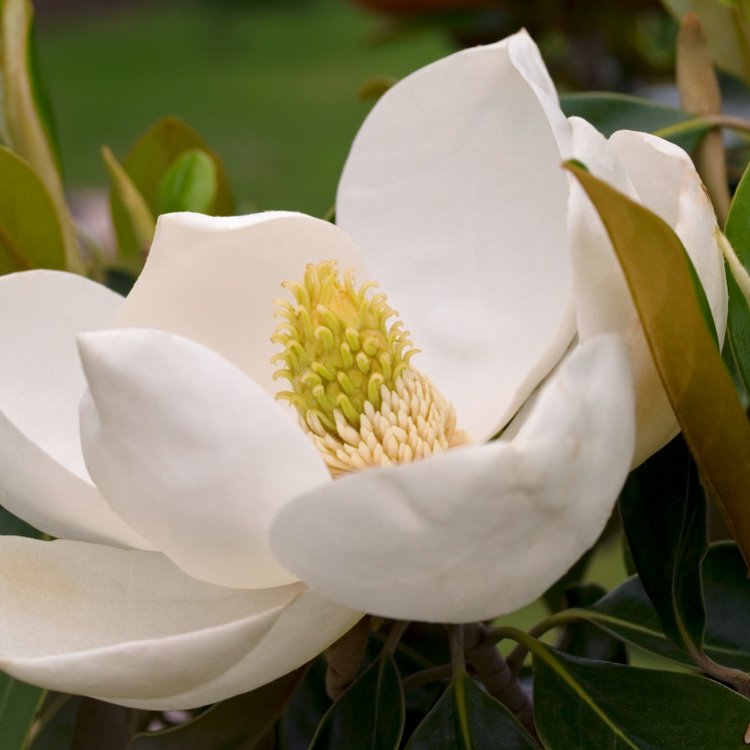
Typically, its flowering period in the UK extends from late spring to late summer. It often starts in June and continues until September. Spectacular, cup-shaped, creamy-white blossoms adorn the tree during this time. These flowers are not only visually stunning. They also emit a strong, lemon-scented perfume, enriching the garden atmosphere on warm days. Consequently, these fragrant blooms are a magnet for various pollinators, including bees and beetles, contributing to garden biodiversity.
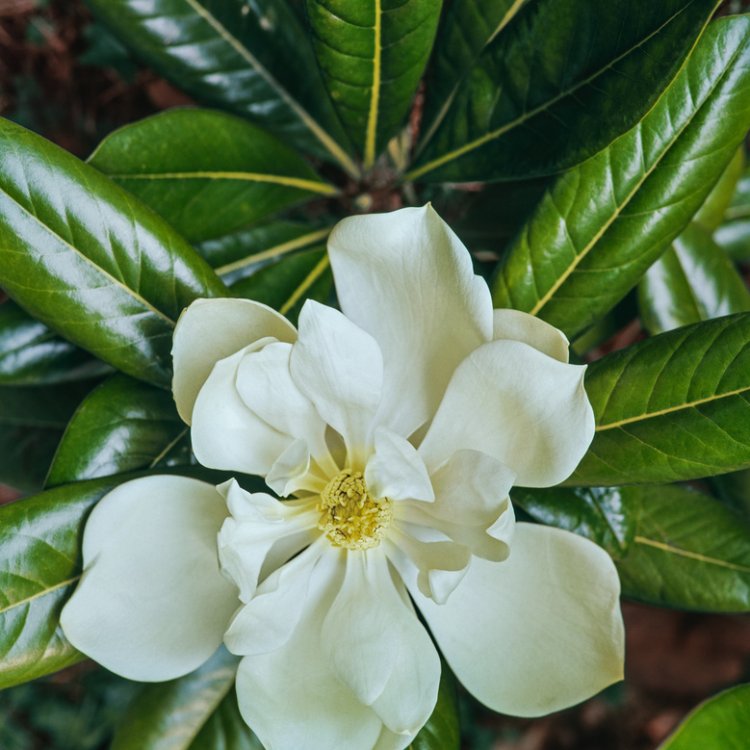
Furthermore, the evergreen foliage of Magnolia grandiflora provides year-round interest. Its large, leathery leaves are a deep, lustrous green on top. Underneath, they feature a unique, soft, reddish-brown, felt-like covering, known as indumentum. This striking contrast is particularly noticeable when the wind gently rustles the leaves, revealing their two-toned beauty. Hence, even when not in flower, the tree offers considerable ornamental value.
Gardeners often use this magnificent plant as a stately specimen tree, positioned where its full beauty can be appreciated. It also excels when trained against a warm, sunny wall, especially in cooler regions of the UK. This offers protection and allows its grandeur to unfold. Pruning is generally minimal. Focus on removing any dead, damaged, or crossing branches after flowering. This helps maintain its natural shape and vigour. Therefore, Magnolia grandiflora proves a relatively low-maintenance, high-impact choice for many garden styles.
Hardy in all of the UK and northern Europe. Suitable for exposed sites.
During its establishment, ensure regular watering, particularly in dry spells, to encourage strong root development. Apply a generous layer of mulch around the base annually in spring to conserve moisture, suppress weeds, and enrich the soil. Pruning is generally minimal; focus on removing any dead, damaged, or crossing branches immediately after the flowering period to maintain its natural shape and vigour. Position in a sheltered spot away from strong, cold winds to protect its evergreen foliage and ensure optimal growth in UK gardens.