£26.53 – £28.89Price range: £26.53 through £28.89
Corylus ‘Rode Zellernoot’, a red-leaved hazelnut, offers stunning reddish-purple foliage and edible nuts. Enjoy winter catkins and attract wildlife with this hardy, versatile shrub, perfect for any UK garden.
94 in stock
Discover Corylus ‘Rode Zellernoot’, a stunning red-leaved hazelnut, offering year-round garden interest with its vibrant foliage and edible nuts.
This distinctive cultivar, also known as Red Hazelnut or Red Filbert, brings captivating colour to any UK garden. Its unique charm lies in its changing leaf hues and the promise of a delicious harvest. It stands as an excellent choice for ornamental appeal and practical uses. Moreover, it contributes significantly to local wildlife, making it a valuable addition to diverse garden schemes. This plant proves truly versatile.
The leaves of Corylus ‘Rode Zellernoot’ offer remarkable visual appeal. They first unfurl in spring with a rich, deep reddish-purple colour. This intense hue provides a striking contrast against green backdrops. As the season progresses, the foliage subtly matures, often developing bronze and even greenish tones before a final coppery display in autumn. Consequently, this hazelnut adds dynamic visual interest throughout many months. Its changing colours make it a focal point in borders or mixed plantings.
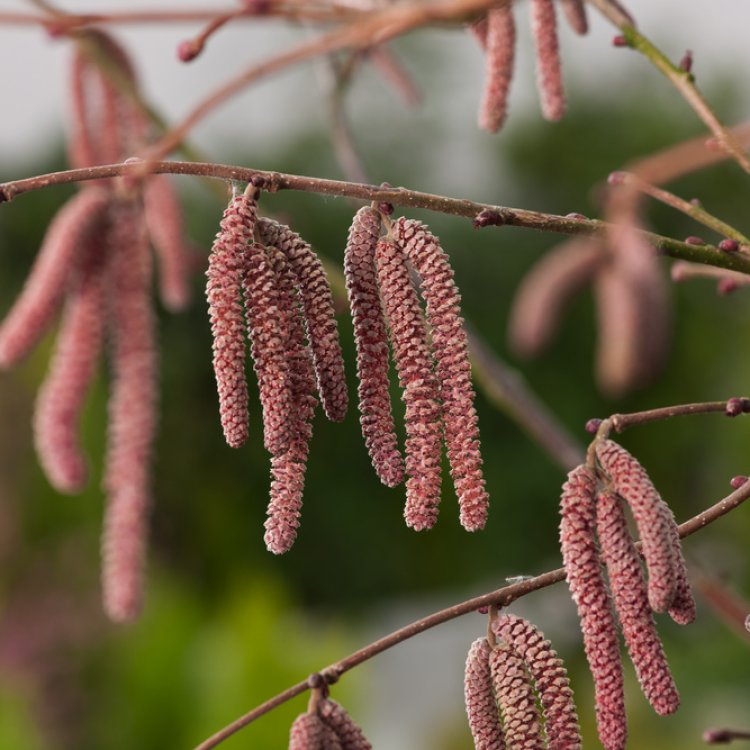
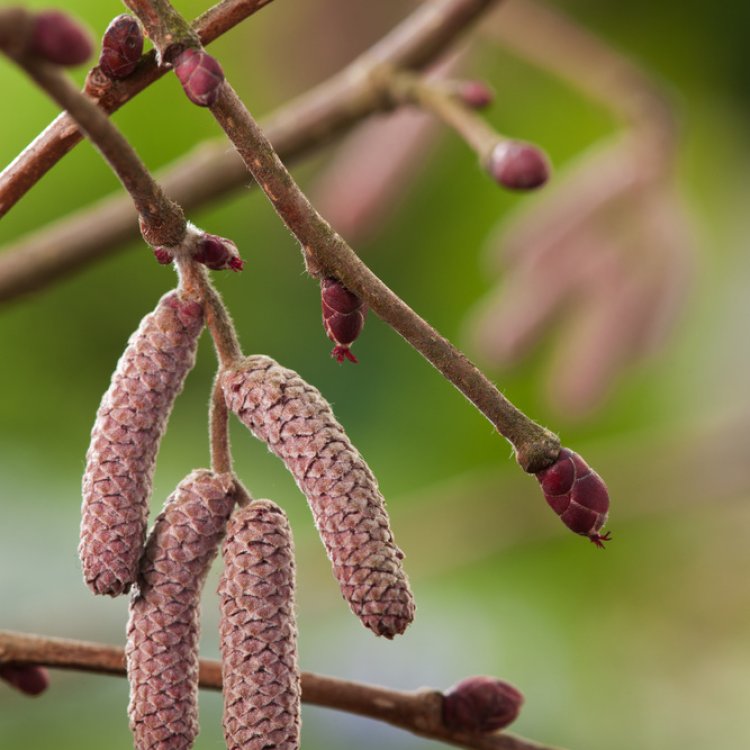
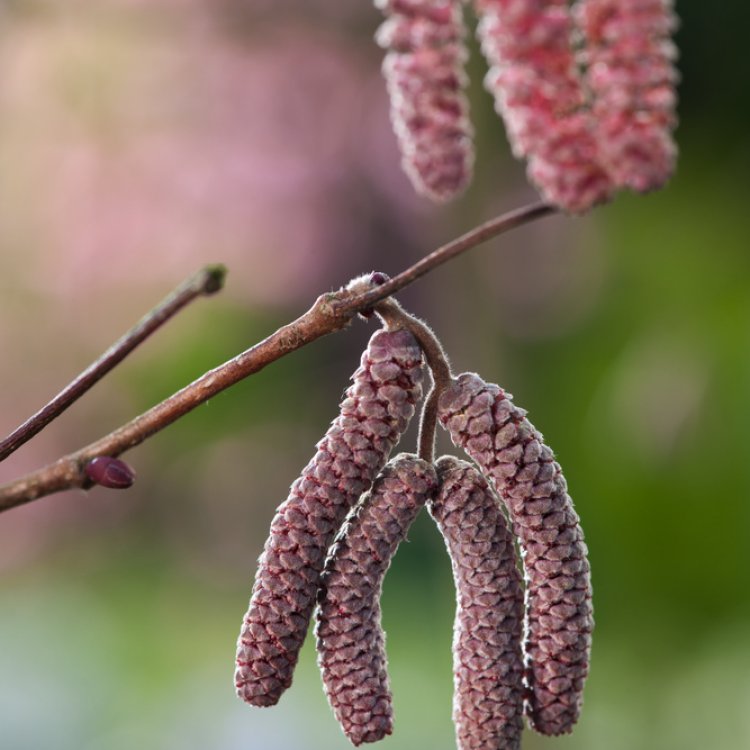
Long before its leaves appear, Corylus ‘Rode Zellernoot’ adorns itself with decorative catkins. These pendulous, yellow-brown male flowers emerge in late winter, typically from January to March. They offer an early source of pollen for emerging bees. Small, inconspicuous red female flowers also appear. Furthermore, this plant yields a delightful harvest. Medium-sized, reddish-shelled hazelnuts ripen in late summer or early autumn. The name ‘Rode Zellernoot’ translates from Dutch, meaning ‘Red Zeller Nut’, referencing its colourful appearance and a common hazelnut type.
Planting this hazelnut actively supports garden biodiversity. The early-flowering catkins provide vital nectar and pollen for queen bees and other beneficial insects when other food sources are scarce. Later in the year, the ripening hazelnuts offer a crucial food source for squirrels, dormice, and various bird species. Its dense structure also provides shelter. Thus, Corylus ‘Rode Zellernoot’ acts as a valuable asset for local fauna.
This adaptable plant thrives in many garden settings. You can grow Corylus ‘Rode Zellernoot’ as a magnificent specimen shrub or a charming small tree. It also forms an effective, attractive hedge, particularly in informal country garden styles. Furthermore, it integrates perfectly into woodland edge plantings or mixed shrub borders.
For a more compact form or to enhance its vivid foliage colour, you can prune it hard through coppicing. This method encourages a flush of new, intensely coloured growth each year. This makes the plant a flexible choice for various design schemes.
Hardy in the harshest UK conditions and below. Suitable for mountain regions.
Plant in well-drained soil, ensuring regular watering during the first year of establishment. Prune in late winter while dormant to maintain shape or coppice hard to encourage a vigorous flush of colourful new growth. Apply a balanced fertiliser in spring to support healthy development.
This plant is deciduous so it will lose all of its leaves in the autumn and get fresh new foliage each spring.