£3.82 – £6.17Price range: £3.82 through £6.17
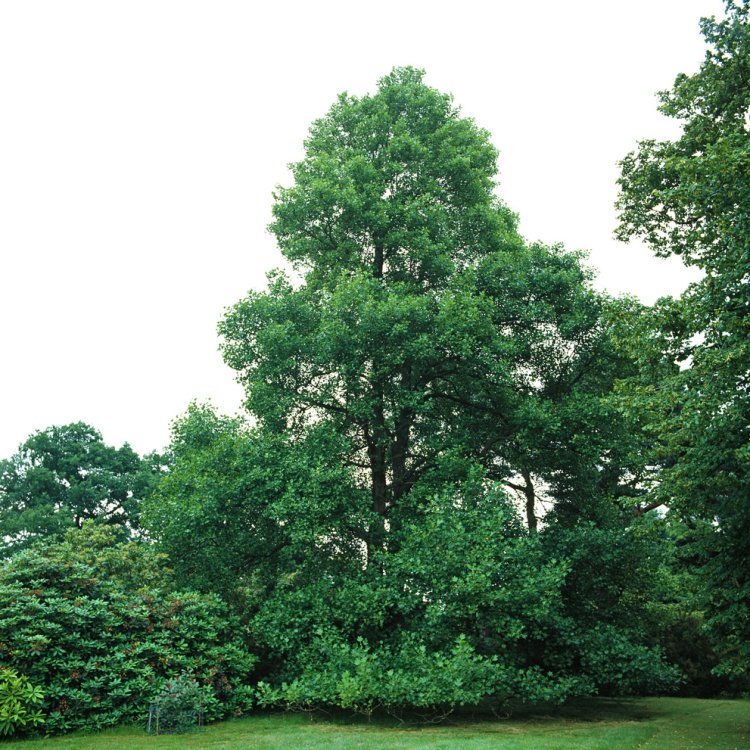
Plant Alnus glutinosa, the Common Alder, a resilient native British tree. It thrives in damp soils, supports wildlife, and improves soil fertility. This versatile deciduous tree provides year-round interest and natural beauty to your UK garden.
1000 in stock
Discover Alnus glutinosa, also known as Common Alder, a native British tree perfect for damp soils and vital for supporting local wildlife.
Alnus glutinosa, commonly known as the Common Alder or Black Alder, is a resilient and attractive deciduous tree. It flourishes across the UK, especially in wetter conditions. This versatile plant offers significant ecological benefits. Its strong presence adds character to any landscape. Moreover, it actively enhances soil health, providing numerous advantages for your garden. Many gardeners appreciate its natural charm and easy cultivation.
The name Alnus glutinosa comes from Latin. Alnus is the classical Latin term for alder, while glutinosa directly translates to “sticky,” referring to the slightly sticky young leaves and shoots, particularly in spring. This native species is a cornerstone of British wetland ecosystems, indeed. It has played a significant role in our natural landscapes for centuries.
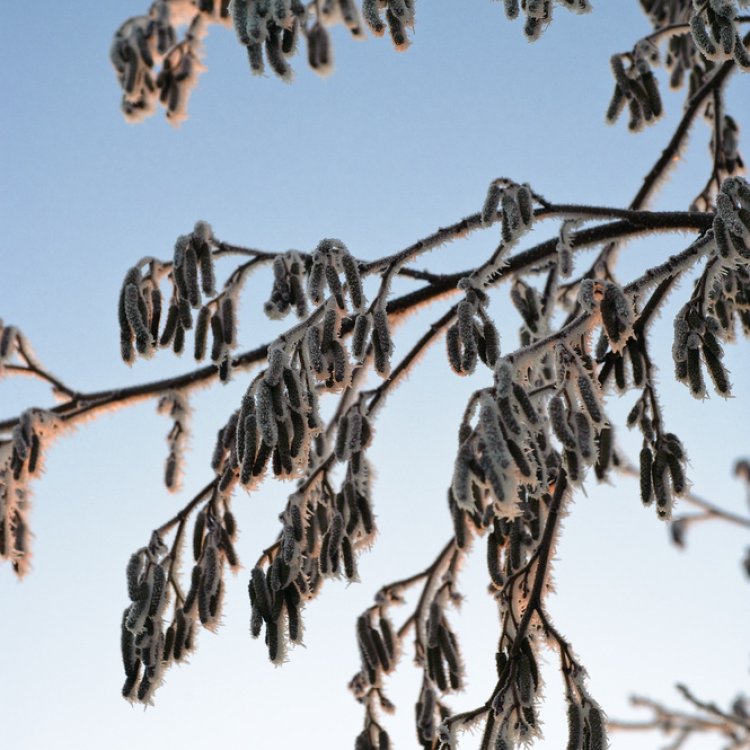
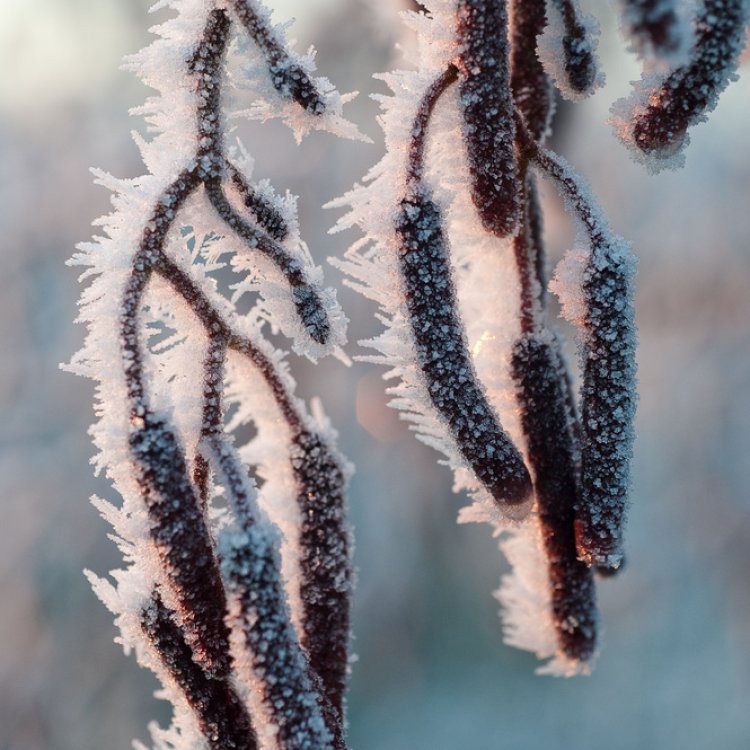
This Common Alder showcases attractive, rounded, dark green leaves. These leaves feature serrated edges, furthermore. They remain vibrant throughout the growing season before subtly transitioning to yellow-brown in autumn. Before the leaves fully emerge, typically from February to April, Alnus glutinosa displays its delicate catkins. Pendulous yellow-brown male catkins hang elegantly. Smaller, reddish female catkins develop nearby. These later mature into unique, cone-like structures that provide winter interest.
Alnus glutinosa proves incredibly valuable in various garden settings. It excels particularly in areas with consistently moist or wet soil, such as pond margins or boggy spots. You can plant it as an effective windbreak, thus protecting more delicate plants. It also works well in woodland gardens or as part of a native hedge. This robust tree rarely requires extensive pruning; typically, you only remove dead or damaged branches.
Its dense canopy offers shelter, while its seeds feed birds during winter. Moreover, it hosts the larvae of several moth species, truly making it a wildlife haven. Its nitrogen-fixing properties also enrich the soil naturally, benefiting surrounding flora.
Hardy in the harshest UK conditions and below. Suitable for mountain regions.
[object Object]
This plant is deciduous so it will lose all of its leaves in the autumn and get fresh new foliage each spring.