£37.01 – £46.44Price range: £37.01 through £46.44
Corylus avellana ‘Contorta’, the Corkscrew Hazel, offers dramatic twisted branches for unique winter interest in UK gardens. Its yellow catkins feed early bees, followed by fresh green leaves. This architectural plant adds year-round charm.
32 in stock
Discover the captivating charm of Corylus avellana ‘Contorta’, a unique plant renowned for its dramatically twisted branches, offering year-round interest in British gardens.
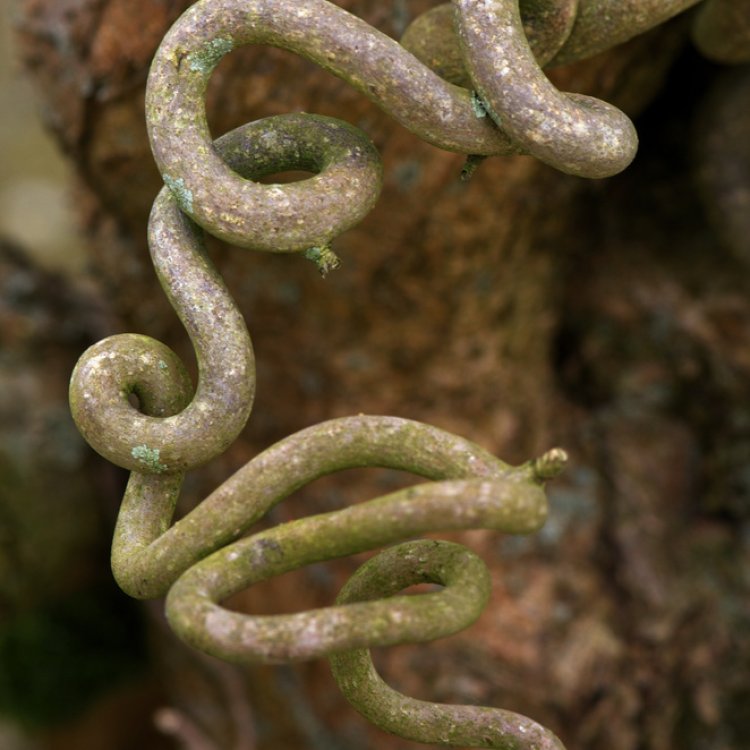
Corylus avellana ‘Contorta’, commonly known as Corkscrew Hazel, Contorted Hazel, or Harry Lauder’s Walking Stick, is a truly distinctive shrub or small tree. Its name, ‘Contorta’, precisely describes its most striking feature: gnarled and spiralling stems. This plant offers exceptional visual appeal, particularly during the colder months when its intricate bare branches take centre stage. Gardeners across the UK value its architectural form and adaptable nature, making it a popular choice for many settings. It stands out in any garden space.
This special hazel is a cultivar of our native common hazel, Corylus avellana. It was first discovered in a hedgerow in Gloucestershire during the late 19th century. Its extraordinary, spiralling growth habit makes it instantly recognisable. The botanical name ‘Contorta’ clearly highlights this fascinating, twisted characteristic. Its unusual form creates a living sculpture within the garden, drawing the eye throughout the year. Gardeners often choose this plant for its artistic silhouette.
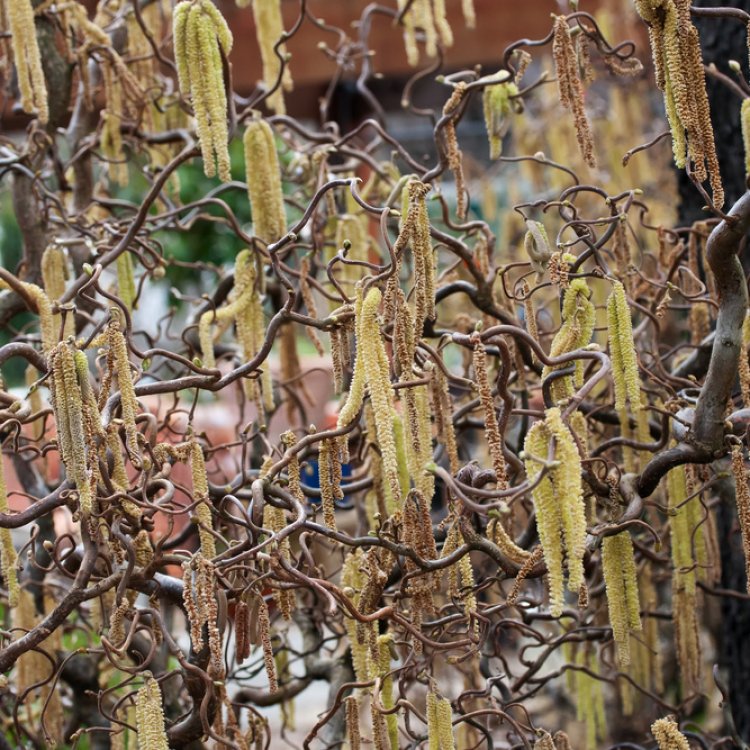
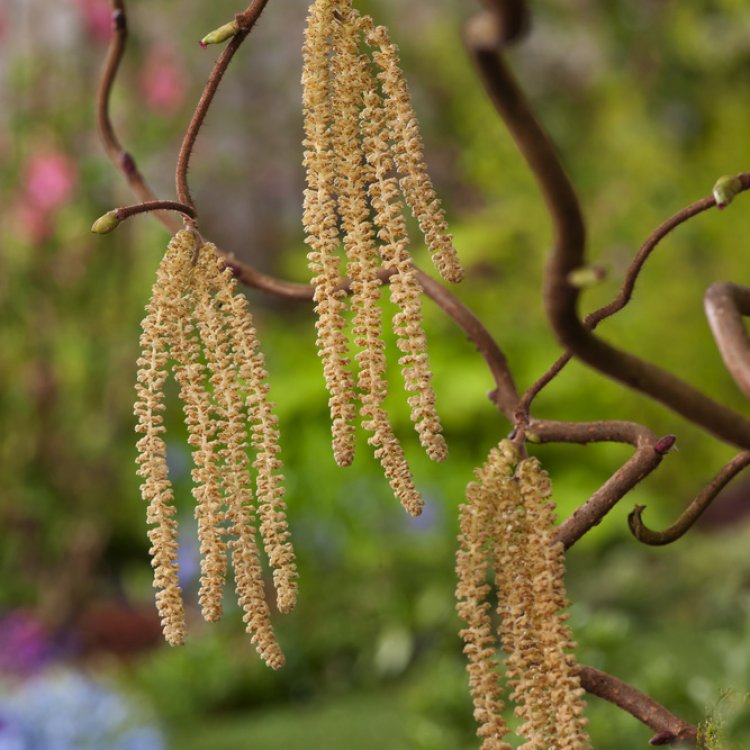
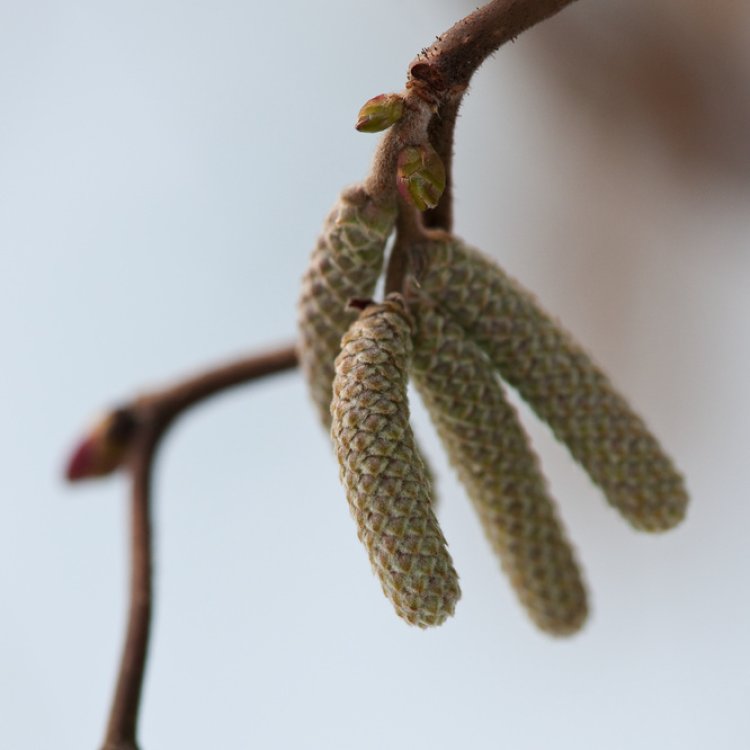
In winter, when most plants are dormant, Corylus avellana ‘Contorta’ truly shines. Its bare, zig-zagging branches create a dramatic focal point. Then, in late winter, long, yellow-gold catkins unfurl, dangling like festive ornaments. These catkins bring early colour and also provide vital pollen for early-waking bees. As spring arrives, fresh, green, heart-shaped leaves appear, softening its architectural lines. In autumn, the foliage often turns to lovely yellow shades before falling, ready for another season of twisted grandeur.
This versatile plant fits well in many garden designs. Use Corylus avellana ‘Contorta’ as a standalone specimen where its form can be fully appreciated. It also works wonderfully within mixed shrub borders or as a key feature in a winter garden. Its medium size means it suits both larger landscapes and smaller, more urban spaces. Beyond its beauty, Corkscrew Hazel supports local wildlife. Its early catkins are a valuable food source for hungry bees. Furthermore, its dense, contorted structure offers shelter and nesting spots for small birds, enriching your garden ecosystem.
Corylus avellana ‘Contorta’ needs little pruning. Mainly, prune to remove any straight, non-contorted suckers that may emerge from the base. Always cut these back to ground level to maintain the plant’s unique ‘Contorta’ characteristic. Additionally, you can remove any dead or crossing branches to improve air circulation and shape. Perform this light pruning during the dormant season, usually in late winter. This ensures your Corkscrew Hazel retains its stunning, distinctive appearance for many years.
Very hardy. Tolerates temperatures typical of a continental winter.
Corylus avellana 'Contorta' is generally low maintenance. Plant in moist, well-drained soil in full sun to partial shade. Water regularly during dry periods, especially whilst the plant is establishing. Pruning is minimal; remove any straight, non-contorted suckers emerging from the base by cutting them back to ground level. Trim any dead or crossing branches in late winter to maintain shape and air circulation. Fertilise annually in spring with a balanced general-purpose fertiliser if desired.
This plant is deciduous so it will lose all of its leaves in the autumn and get fresh new foliage each spring.