£40.36 – £42.01Price range: £40.36 through £42.01
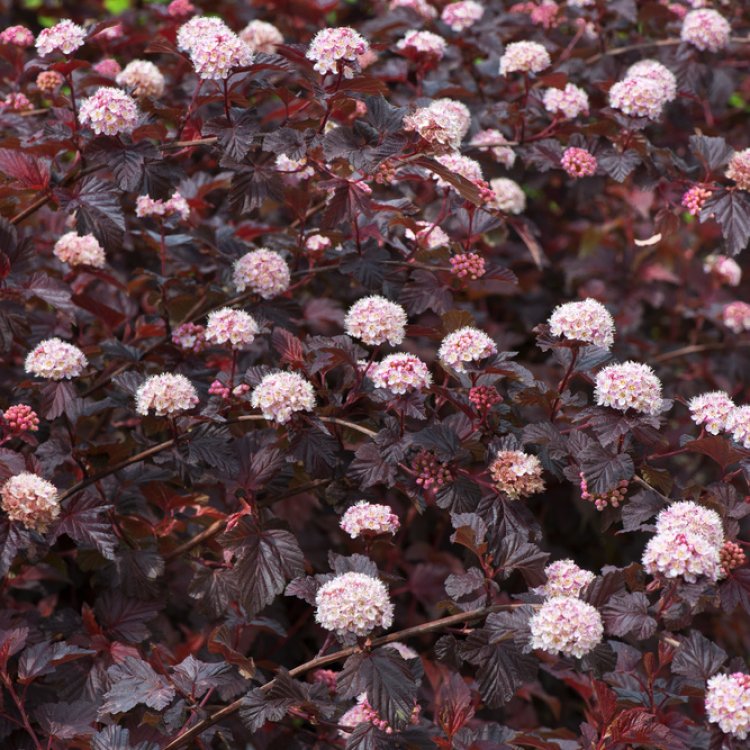
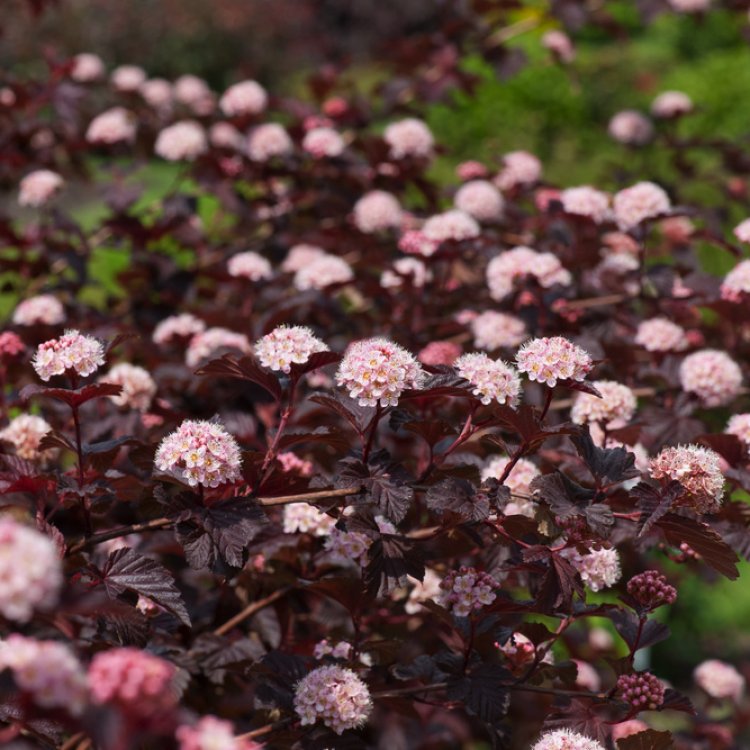
Physocarpus opulifolius ‘Lady in Red’, or Ninebark, offers stunning deep burgundy foliage and delicate summer flowers. This hardy, low-maintenance shrub provides year-round colour and attracts pollinators, making it perfect for borders or hedging in UK gardens.
10 in stock
Physocarpus opulifolius ‘Lady in Red’ brings dramatic, deep burgundy foliage to UK gardens, creating a vibrant focal point through every season.
This striking deciduous shrub, also known as Ninebark ‘Lady in Red’, offers immense visual appeal and robust garden performance. Its rich leaf colour remains steadfast from spring through to autumn, providing consistent beauty. Moreover, it produces charming flowers and provides interest with its unique, peeling bark in winter. Gardeners appreciate its low-maintenance nature, making it a superb choice for various landscape designs.
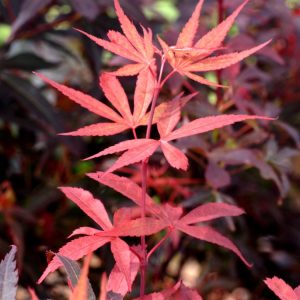
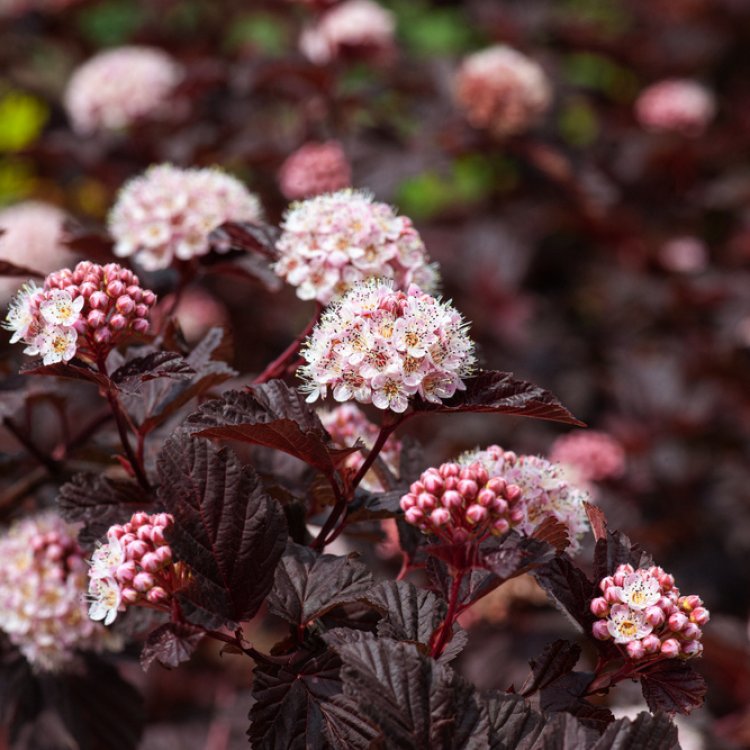
This exceptional cultivar, Physocarpus opulifolius ‘Lady in Red’, captivates with its dynamic presence. The name ‘Physocarpus’ comes from Greek words. These words refer to the bladder-like seed capsules that follow the flowers. ‘Opulifolius’ signifies its leaves, which resemble those of Viburnum opulus. The ‘Lady in Red’ name describes its main feature. Its magnificent, deep wine-red leaves hold their colour beautifully. This plant truly earned its evocative name through its stunning foliage.
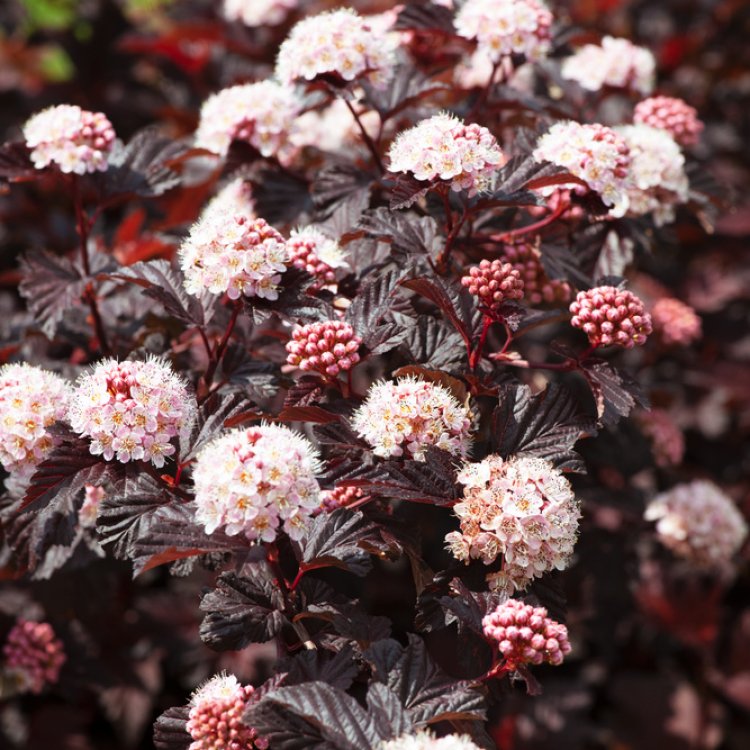
In early summer, typically around June and July, Physocarpus opulifolius ‘Lady in Red’ bursts into bloom. Small, cup-shaped flowers, often white or tinged with soft pink, cluster along its branches. These delicate blooms create a lovely contrast against the dark foliage. Furthermore, these flowers attract many pollinators. Buzzing bees and graceful butterflies often visit them. As the flowers fade, they give way to fascinating red seed heads. These persist into autumn, offering visual interest and bird food. Even in winter, after its leaves fall, the plant reveals ornamental, peeling bark. This feature explains its common name, Ninebark. This bark exfoliates in layers. It exposes different shades of brown and tan, adding texture to the winter garden.
Physocarpus opulifolius ‘Lady in Red’ offers great versatility for garden design in the UK. Its bold colour makes it an ideal specimen plant. It draws the eye in borders or as a standalone feature. Alternatively, you can incorporate it into mixed shrub plantings. It provides contrast with green or golden-leaved plants. It also performs well when used for informal hedging, creating a vibrant boundary. Although it naturally forms a dense habit, you can prune this Ninebark after flowering. This helps maintain its size or shape, encouraging bushier growth. This adaptable shrub thrives in various soil types. It tolerates both sun and partial shade. These traits make it a practical and beautiful addition to many garden styles.
Hardy in the harshest UK conditions and below. Suitable for mountain regions.
Physocarpus opulifolius 'Lady in Red' is a robust, low-maintenance shrub. Water regularly during dry spells, especially when establishing. Prune after flowering to maintain shape, size, and encourage fresh, vibrant foliage. Remove any dead or damaged stems annually. It thrives with good air circulation and well-drained soil.
This plant is deciduous so it will lose all of its leaves in the autumn and get fresh new foliage each spring.