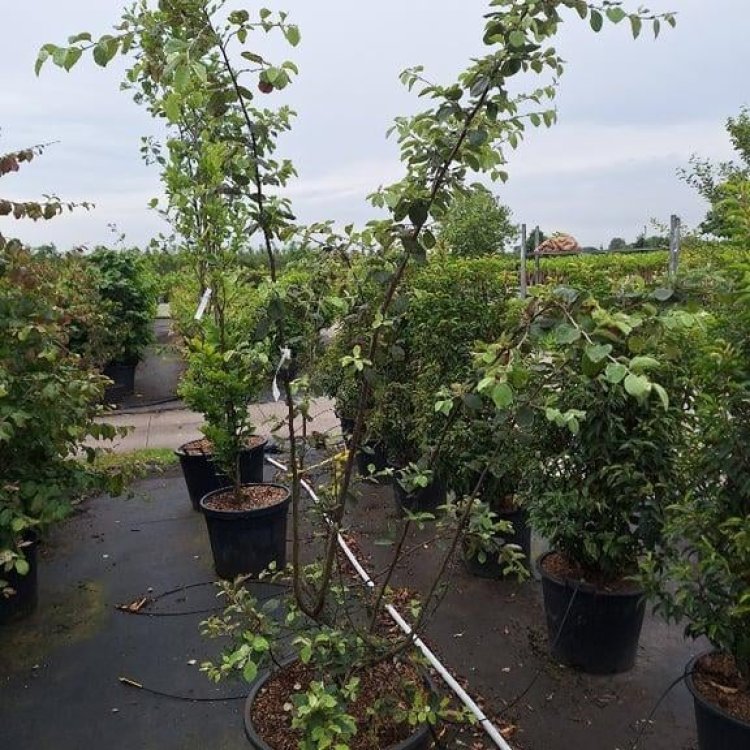
£24.88 – £27.23Price range: £24.88 through £27.23
Cydonia oblonga ‘Leskovacka’, a Serbian quince cultivar, offers beautiful spring flowers and large, fragrant, golden-yellow fruits. Ideal for cooking into jams and jellies, this hardy plant enriches UK gardens with seasonal beauty and benefits pollinators.
493 in stock
Discover the delightful Cydonia oblonga ‘Leskovacka’, a cherished quince variety bringing beauty and bountiful, aromatic fruits to UK gardens.
The Quince, Cydonia oblonga, boasts an ancient heritage, celebrated for centuries across Europe and Asia. Originating from the Balkans, ‘Leskovacka’ is a popular Serbian cultivar. It brings both ornamental charm and delicious, fragrant fruit to British gardens. This deciduous small tree or large shrub offers a truly rewarding addition. Its unique character shines from spring blossoms through to autumn harvest, enriching any garden space.
The botanical name Cydonia comes from Cydon, an ancient Greek city now known as Chania, located on the island of Crete. This historical link highlights the quince’s long cultivation. Moreover, the cultivar name ‘Leskovacka’ specifically denotes its origin from Leskovac, a city in Serbia. This variety is highly regarded for its robust nature and the exceptional quality of its fruit, making it a favourite in many European countries.
As spring arrives, Cydonia oblonga ‘Leskovacka’ unfurls its large, oval leaves, which are a soft grey-green, often with a felted underside. Following this, typically in April and May, beautiful, single, cup-shaped flowers emerge. These blooms range from pale pink to white, adding a delicate touch to the garden. Later, as the season progresses, the tree begins to form its characteristic fruits.
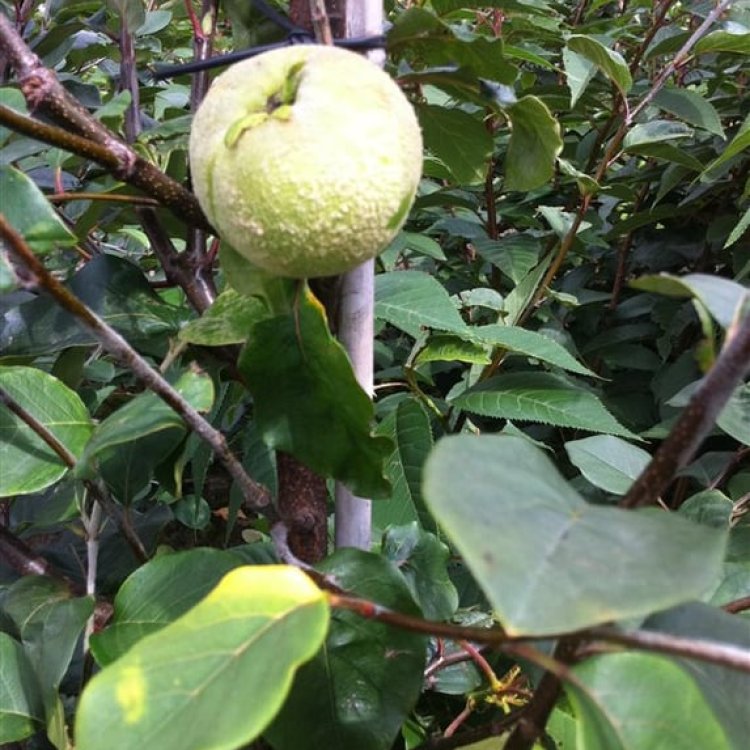
In autumn, usually around September and October, the fruits ripen into a stunning golden-yellow hue. They are distinctively pear-shaped and emit a powerful, sweet fragrance. However, these quince fruits are hard and very tart when raw, so they are not suitable for eating fresh. Instead, they transform into a delicious ingredient when cooked, perfect for making exquisite jellies, marmalades, or baked desserts. The plant usually grows into a small, spreading tree or a substantial, multi-stemmed shrub, reaching a mature height and spread of around 4 metres.
Cydonia oblonga ‘Leskovacka’ is a remarkably versatile plant for UK gardens. You can grow it as a striking specimen tree, showcasing its seasonal beauty. Alternatively, it works wonderfully within a mixed border or even as part of an edible hedge. Its attractive blossoms provide nectar for vital pollinators such as bees and hoverflies during late spring. Subsequently, its fruit, if left unharvested, can offer a food source for some birds, further enhancing your garden’s biodiversity.
Regular pruning of the Quince is beneficial for maintaining a healthy structure and encouraging good fruit production. Typically, gardeners prune in late winter or early spring, whilst the tree is dormant. This involves removing any dead, damaged, or diseased branches. Furthermore, thinning out crowded branches helps to create an open framework, allowing better air circulation and sunlight penetration. This practice ensures a stronger, more productive plant.
Very hardy. Tolerates temperatures typical of a continental winter.
Ensure regular watering, especially during dry spells and when fruits are developing. Feed annually in spring with a balanced fertiliser. Prune in late winter or early spring to remove dead, diseased, or crossing branches, and to maintain an open, productive framework. Monitor for common quince issues like leaf blight or brown rot, although generally robust.
This plant is deciduous so it will lose all of its leaves in the autumn and get fresh new foliage each spring.