£18.86 – £21.22Price range: £18.86 through £21.22
Fothergilla major is a stunning deciduous shrub, bringing delightful spring flowers and truly spectacular autumn foliage to your garden. Its bottlebrush blooms attract bees, while its leaves transform into fiery shades of yellow, orange, and red.
210 in stock
Discover Fothergilla major, a captivating deciduous shrub renowned for its striking bottlebrush flowers and breathtaking autumn foliage, ideal for any British garden.
Transform your garden with the exquisite Fothergilla major. This plant offers year-round visual appeal. This elegant shrub brings delicate beauty and vibrant colour to any landscape. Its charming spring flowers and astonishing autumn display ensure it stands out. Enjoy the seasonal changes this special plant delivers. It enhances your outdoor space with unique character and charm. Fothergilla major truly offers a spectacle. Watch as seasons turn, from fresh spring growth to fiery autumn hues.
Fothergilla major, also commonly known as Witch Alder, is a magnificent deciduous shrub. It truly earns its place in the British garden. It was named in honour of Dr. John Fothergill, an English physician and botanist. This highlights its historical botanical significance. This plant offers a succession of beauty throughout the year. It makes a superb choice for discerning gardeners.
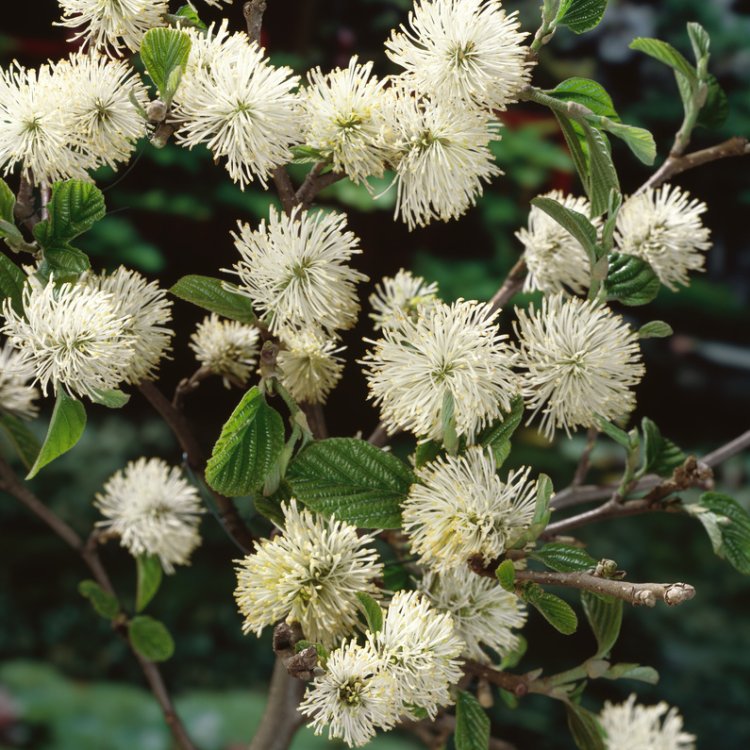
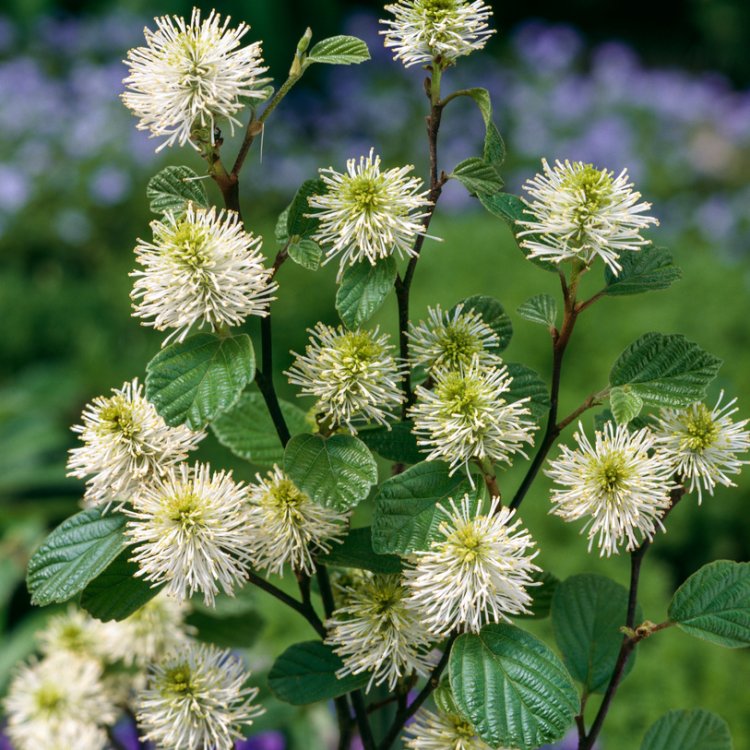
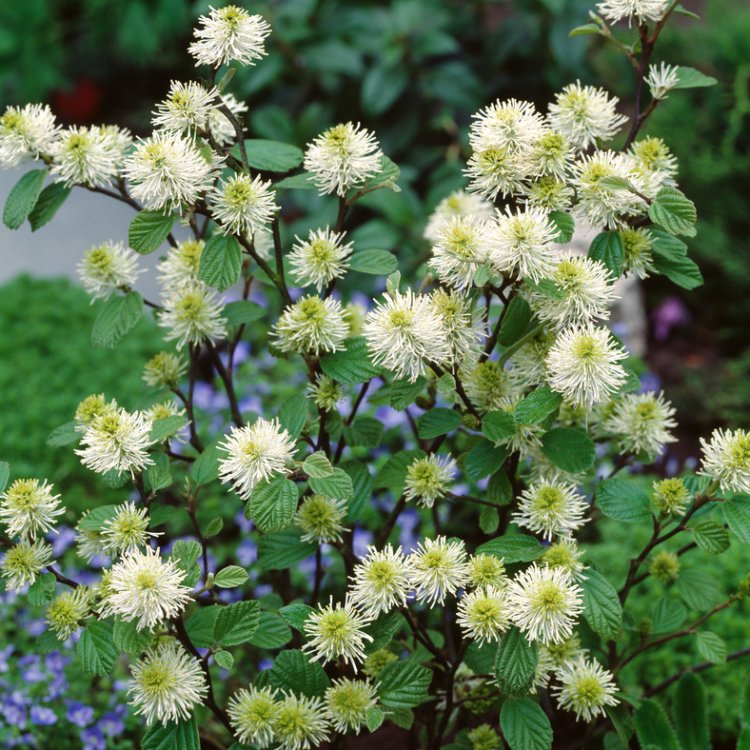
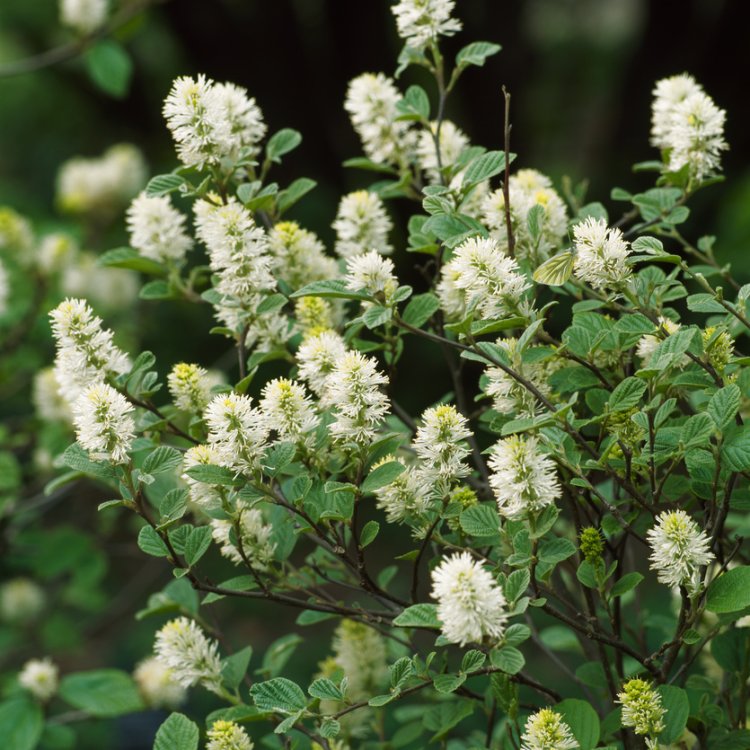
In early spring, before its leaves fully emerge, Fothergilla major bursts into bloom. Clusters of charming white flowers, resembling miniature bottlebrushes, adorn the bare branches. These blooms often carry a delicate, sweet fragrance. They attract early pollinators such as bees. This creates a delightful sensory experience. The flowers create a stunning contrast against the still-dormant landscape. They signal the arrival of warmer days.
As spring transitions into summer, the attractive, rounded leaves of Fothergilla major unfold. They develop a distinctive blue-green hue. This offers a calm and appealing texture to the garden. This lovely foliage forms a dense, neat bush. It provides structure and interest throughout the warmer months. You can plant Fothergilla major as a striking specimen plant. Allow its unique form to shine. Furthermore, it works wonderfully within mixed shrub borders or in woodland garden settings. Here, its natural charm can be fully appreciated. It also performs well when used to edge larger borders, providing definition and colour.
However, the real showstopper for Fothergilla major arrives with autumn. Its summer leaves transform into an extraordinary palette of colours. Witness brilliant shades of yellow, fiery orange, deep red, and rich purple. These colours often appear simultaneously on the same plant. This dazzling display provides an unforgettable spectacle. It illuminates the garden with warmth and vibrancy. This happens just as many other plants begin to fade. The intensity of this autumn colour truly sets Witch Alder apart. It establishes the plant as a star performer.
Little pruning is typically needed for Fothergilla major, which makes it an easy-care option. Simply remove any dead, damaged, or crossing branches after flowering to maintain its attractive shape. This helps to promote healthy growth and ensures the plant continues to thrive. Therefore, gardeners can enjoy its beauty with minimal effort, allowing its natural form to develop. This resilient shrub offers beauty and charm across many seasons.
Hardy in all of the UK and northern Europe. Suitable for exposed sites.
Fothergilla major is a relatively low-maintenance shrub that thrives with a few simple care considerations. Ensure it is planted in an acidic soil that is rich in humus and drains well, yet remains consistently moist. Watering is particularly important during dry spells, especially for newly planted shrubs, to help establish a strong root system. Applying a generous layer of acidic mulch, such as pine bark or composted bracken, around the base of the plant can help to retain soil moisture, suppress weeds, and maintain the desired soil pH. This shrub generally requires minimal pruning. You should only remove any dead, damaged, or crossing branches to improve air circulation and maintain its attractive natural shape. Perform any necessary pruning after the spring flowering period to avoid cutting off next year's blooms. Fothergilla major prefers a sheltered spot, protected from strong winds, particularly in exposed gardens. Provide a balanced, slow-release acidic fertiliser in early spring if your soil nutrients are lacking, but generally, this plant is not a heavy feeder.
This plant is deciduous so it will lose all of its leaves in the autumn and get fresh new foliage each spring.