£10.42 – £12.78Price range: £10.42 through £12.78
Hedera helix ‘Woerner’ is a robust, evergreen common ivy. Its striking, deeply lobed foliage offers year-round interest, while its versatility makes it perfect for ground cover or climbing. It’s also fantastic for wildlife.
300 in stock
Discover Hedera helix ‘Woerner’, a robust, versatile ivy, perfect for evergreen colour and structure in UK gardens all year round.
Common ivy, Hedera helix ‘Woerner’, is a valued, resilient evergreen climber or ground cover. This cultivar stands out with striking foliage, offering year-round interest. UK gardeners appreciate its ability to thrive in various conditions, making it an excellent choice for many designs. It provides dense, attractive covering, enhancing garden spaces with rich texture and deep green hues. Furthermore, this plant supports local wildlife.
This esteemed plant, Hedera helix ‘Woerner’, is a cultivar of common ivy, Hedera helix. The name ‘Woerner’ refers to its specific cultivated variety, highlighting its unique attributes. Often, gardeners simply call it Common Ivy or just Ivy. It is a vigorous, woody-stemmed perennial, cherished for its adaptability. Its heritage ensures it performs well across many challenging garden environments.
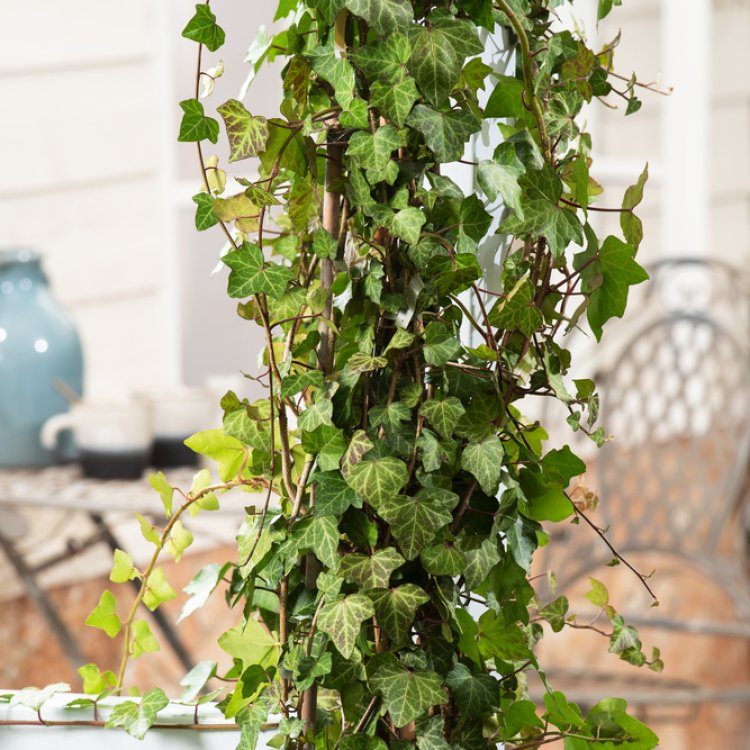
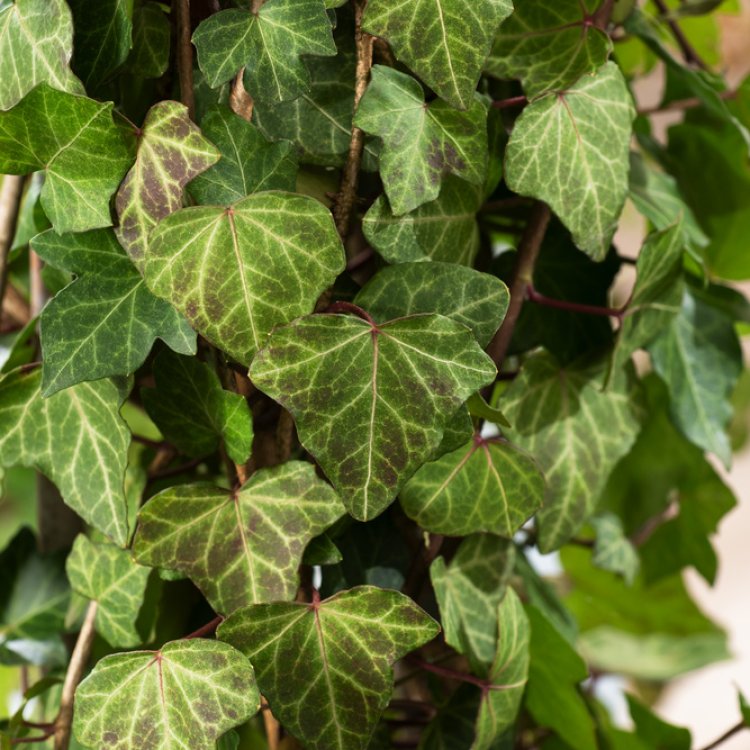
The foliage of Hedera helix ‘Woerner’ truly captivates. Its leaves are typically dark green, deeply lobed, and exhibit a distinct leathery texture. These attractive leaves feature prominent, contrasting lighter veins, which become more pronounced during colder months. This provides a stunning visual display throughout autumn and winter, when many other plants have lost their lustre. Consequently, it maintains garden interest during dormant seasons.
While primarily grown for its foliage, Hedera helix ‘Woerner’ does produce flowers. These are usually small, greenish-yellow, and appear in clusters during late autumn. Although inconspicuous to humans, these flowers are a vital late-season nectar source for bees and other beneficial insects. Following the flowers, small, dark blue-black berries develop, maturing over winter. These berries are an important food source for many bird species, especially when other food is scarce. Thus, the plant offers significant ecological value.
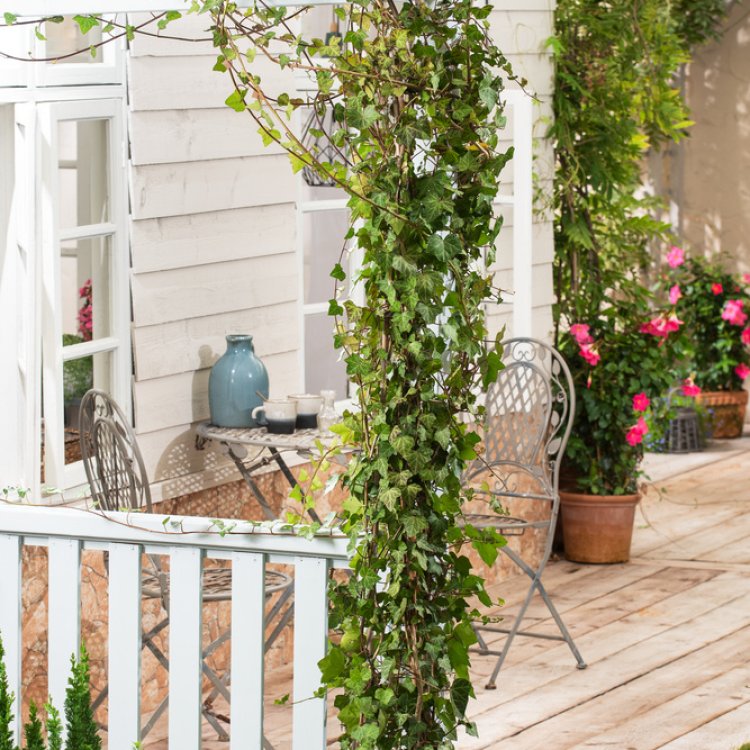
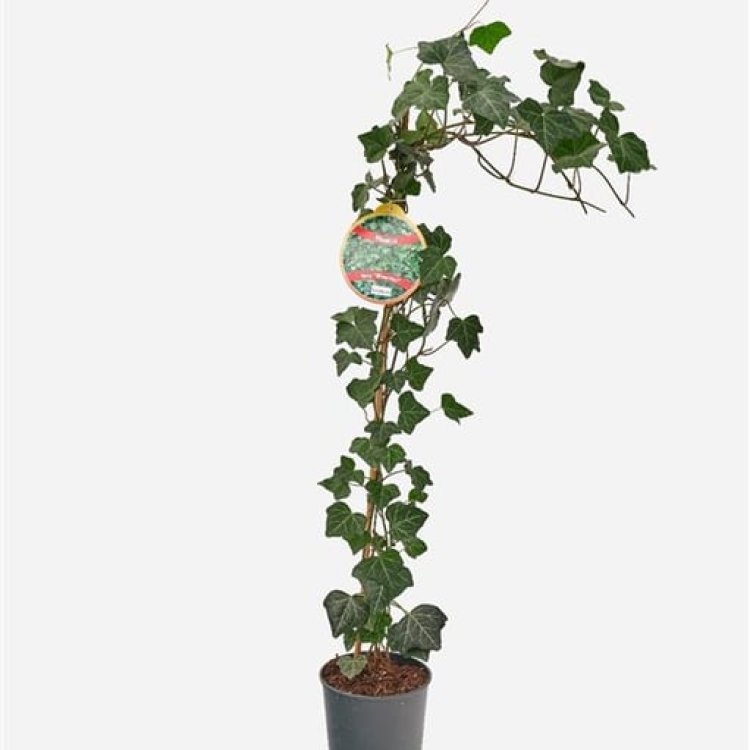
Its robust nature and attractive appearance make Hedera helix ‘Woerner’ incredibly versatile in UK gardens. It excels as a ground cover, effectively suppressing weeds and quickly carpeting shaded areas where little else will grow. Moreover, it is an outstanding climbing plant, perfect for covering walls, fences, and unsightly structures, adding a lush green backdrop. This ivy also works well in containers, trailing elegantly over the sides. Gardeners often use it to edge borders, providing a neat, evergreen line.
Pruning is often necessary to manage the size and shape of Hedera helix ‘Woerner’. It responds very well to trimming, allowing gardeners to maintain it exactly as desired. Regular pruning helps to keep its growth in check, especially when used as a climber or in smaller spaces. Hard pruning can be undertaken in late winter or early spring, rejuvenating older plants and promoting dense, fresh growth. This practice ensures the plant remains healthy and attractive for many years.
Beyond its aesthetic appeal, this common ivy cultivar provides immense benefits to local wildlife. Its dense evergreen foliage offers crucial shelter and nesting sites for birds throughout the year. As mentioned, the late autumn flowers attract various pollinators, supporting biodiversity. Subsequently, the winter berries offer a valuable food supply for birds during the leanest months. Therefore, planting Hedera helix ‘Woerner’ contributes positively to a thriving garden ecosystem, enriching the natural environment.
Hardy in all of the UK and northern Europe. Suitable for exposed sites.
Hedera helix 'Woerner' is low-maintenance once established. Water regularly during dry spells in its first year. Prune annually in late winter or early spring to manage its size, shape, and vigour, cutting back any unwanted growth. It tolerates hard pruning well. Generally robust, it requires minimal feeding if planted in good soil.