£37.89 – £49.00Price range: £37.89 through £49.00
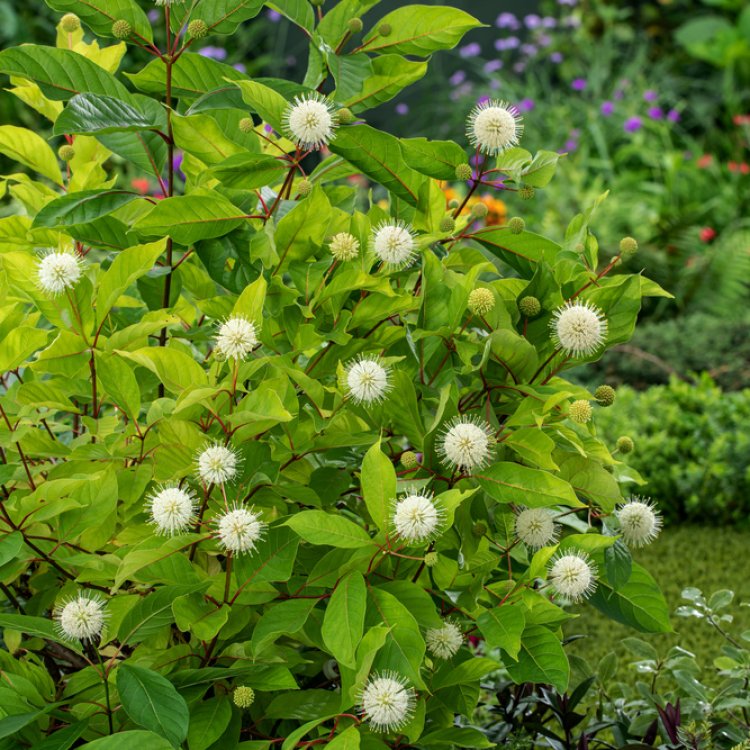
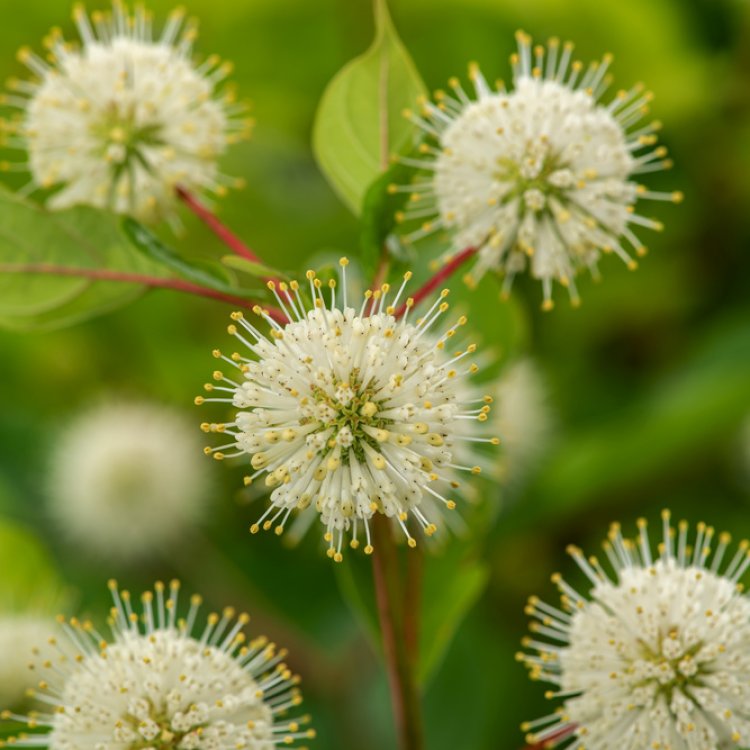
Cephalanthus occidentalis, or Buttonbush, is a captivating deciduous shrub for UK gardens. Its unique, creamy-white summer flowers attract bees and butterflies, enhancing biodiversity. Adaptable to moist soils, it provides striking late-season interest.
93 in stock
Discover the charm of Cephalanthus occidentalis, a unique shrub prized for its distinctive pincushion-like summer flowers, offering beauty and wildlife support in UK gardens.
Cephalanthus occidentalis, commonly known as Buttonbush, provides a captivating presence in any British garden. This deciduous shrub, native to North American wetlands, introduces an exotic, resilient character. Its unusual floral display and robust nature make it an excellent choice for various planting schemes, especially for late-summer interest. Buttonbush grows easily, adapting well to various soil conditions, provided it receives ample moisture.
Gardeners often call Cephalanthus occidentalis a fascinating plant, or simply Buttonbush. Its botanical name, Cephalanthus, originates from Greek words for head and flower, accurately describing its unique, globe-shaped clusters. Occidentalis indicates its Western origin. This shrub truly stands out. Its spherical, creamy-white flowers appear mid-summer to early autumn, typically from July into September, creating a stunning visual display. These individual flowers are small, but cluster tightly, forming an inviting orb that genuinely captures attention.
The foliage of Cephalanthus occidentalis adds appeal. Its glossy, bright green, oval-shaped leaves provide a lush backdrop. In autumn, these leaves often transition to an attractive yellowish hue before falling. This marks the plant as deciduous, signalling seasonal change. Buttonbush typically develops a rounded, dense habit, a substantial garden presence. It grows steadily, forming a strong framework of branches.
For gardeners keen to support local ecosystems, Cephalanthus occidentalis is an exceptional choice. Its nectar-rich flowers powerfully attract pollinators. Bees and various butterfly species, such as admirals and painted ladies, find its alluring blooms irresistible. The plant also offers cover and potential nesting sites for small birds. Planting Buttonbush actively contributes to biodiversity, transforming your garden into a bustling wildlife haven.
Incorporating Cephalanthus occidentalis into your UK garden offers possibilities. Its preference for moist to wet soil makes it perfect for waterside planting, alongside ponds or streams. It performs well in average garden soil, provided it doesn’t dry out. Use it as a standalone specimen, highlighting its unique form. Alternatively, it works beautifully within mixed borders, adding height and late-season interest. This versatile plant tolerates light pruning to maintain its shape, best done in late winter or early spring before new growth. Remove any dead or crossing branches for healthy development. This ensures your Buttonbush remains vigorous and floriferous each year.
Hardy in all of the UK and northern Europe. Suitable for exposed sites.
Cephalanthus occidentalis thrives with consistent moisture, especially during dry spells. Plant in full sun to partial shade in moist, well-draining soil. It benefits from an annual feed of balanced fertiliser in spring. Prune in late winter or early spring by removing dead or weak wood, and cutting back stems by about a third to encourage bushy growth and prolific flowering. Protect young plants from severe frost in exposed areas.
This plant is deciduous so it will lose all of its leaves in the autumn and get fresh new foliage each spring.